Inzonex Carbon Hubpowered by inzonex.co.uk
Carbon HubMeasures → Removable insulation (modular)
Reduction measure

Removable insulation (modular)

Eliminating standing heat losses from valves, flanges, fittings and equipment that conventional fixed lagging leaves bare — because maintenance needs access. Inzonex Modular Insulation closes that gap: snap-fastened modules that come off in minutes and go back on without damage, surface temperature held ≤45 °C, heat loss cut by up to 96% per component.

The numbers

Cost, effect, payback

MetricValueNote
Abatement costsaves money (≤€0/t)
Addresses2–5%of relevant emissions
Typical payback0.5–2 yr
Carbon value at full price€80.01/t avoidedEUA July 13, 2026
How it works

Mechanism & sizing

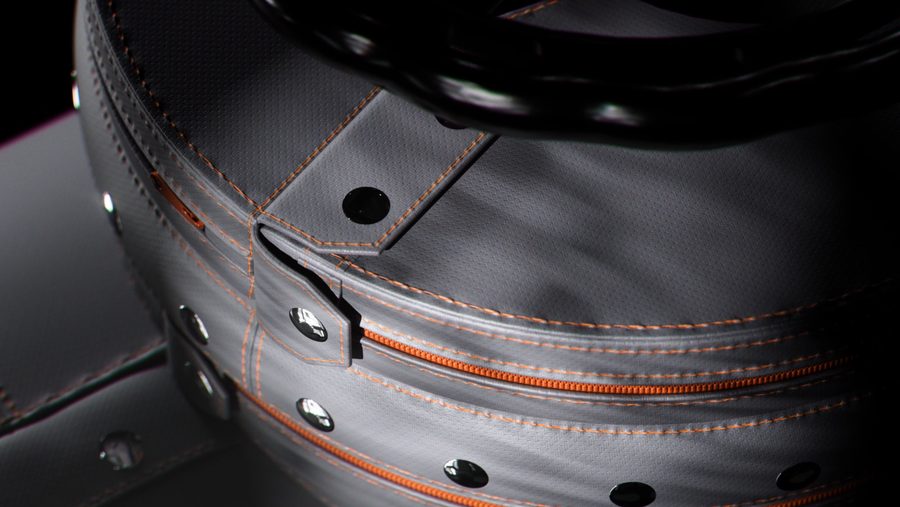
The physics is ASTM C680 / ISO 12241: a bare DN150 valve at 180 °C loses ≈1.5 kW — ≈13 MWh and ≈2.6 t CO2 per year, each. Plants carry hundreds. The Inzonex modular system: mineral-wool core sized to the temperature tier (50 mm ≤220 °C, 100 mm wired mat to +600 °C), silicone-coated fabric, snap fasteners — engineered per component from a survey or photos.

Why it beats other measures on €/t: the fuel saving alone pays the system back within 2 years, so the CO2 comes at negative net cost — and every avoided tonne also avoids the allowance (€80.01 now, full price by 2034). Effect at plant level: 2–5% of fuel-related CO2 across hot-process industries; maintenance bonus: access in minutes instead of cut-and-relag = 6× faster maintenance access vs standard insulation jackets and metal cladding/boxes, and inspectable metal = CUI prevention.

Size your own number: per-component calculator · whole-plant savings study · brewery worked example · the complete insulation guide.

Inzonex removable modular insulation on industrial equipment
Cut the tonnes at the source

Hot industrial equipment? Cut the heat loss.

Boilers, kilns, heat exchangers, valves and steam lines lose energy continuously. Inzonex makes Inzonex Modular Insulation — snap-fastened modules engineered per temperature tier, not generic off-the-shelf jackets:

  • Up to 96% less heat loss from insulated surfaces
  • Surface temperature ≤45 °C — touch-safe for workers (EN ISO 13732-1)
  • 6× faster maintenance access vs standard insulation jackets and metal cladding/boxes — unclips and refits in minutes, no destruction
  • Inspectable — opens for corrosion-under-insulation checks, then refits like-new (generic jackets often don't survive removal)
  • Typical payback under 2 years — some sites 9–11 months

Every tonne you stop emitting is a tonne you don't have to report: cutting heat loss is a measurable, auditable Scope 1 reduction that flows straight into EU ETS, CBAM and your ESG / CSRD disclosures — not an offset, an actual emission cut.

Where it applies

Industries where removable insulation (modular) earns first

FAQ

Removable insulation (modular), answered

How much CO2 does insulation save?
Component-level: a bare 180 °C DN150 valve ≈2.6 t CO2/yr. Plant-level: 2–5% of fuel-related CO2 across hot-process sites — computed per component with ASTM C680 in our free calculators.
Why removable instead of fixed lagging?
Fixed lagging gets cut off at the first maintenance and never returns — that's why plants are full of bare valves. Inzonex Modular Insulation opens and refits in minutes, survives washdown, and lets you inspect for corrosion under insulation.
What does it cost per tonne of CO2 abated?
Below zero: the fuel saving exceeds the cover cost within 2 years, so each tonne is abated at negative net cost — cheaper than any other industrial measure, before counting €77/t of avoided allowances.
How this page is built: heat-loss figures follow ASTM C680 / ISO 12241 (the method behind our public calculators); facility emissions from Climate TRACE & EU ETS verified data across 30,000+ industrial sites; the 2026–2034 schedule is Regulation (EU) 2023/956, not a forecast. Published by Inzonex Research. Spotted an error? Tell us — we correct on evidence.
Source: Inzonex Carbon Hub — inzonex.co.uk/carbon · prices dated as shown on each figure · schedule per Regulation (EU) 2023/956 · indicative analytics, not compliance advice.