Inzonex Carbon Hubpowered by inzonex.co.uk
Carbon Hub → ISO 50001 — the energy management standard, practically
Standard

ISO 50001 — the energy management standard, practically

ISO 50001 is the management system that finds energy waste systematically. With CO2 at €77.4/t and free allocation ending 2034, its deliverable — a ranked list of savings — doubles as your carbon-cost reduction plan.

What the standard actually requires

Authoritative source: ISO 50001 (iso.org).

Does it pay? The published evidence

Programmes that measure outcomes report consistent single-digit annual gains: the US DOE 50001 Ready / Superior Energy Performance cohorts documented ~5.6% average energy-performance improvement within the first years, with many sites compounding 10–25% over a decade. Certification cost (audit + system work) is typically recovered from the first identified low-cost actions.

Typical year-1–2 improvement (DOE cohorts)≈5.6%
Decade compounding (best practice)10–25%
Inzonex removable modular insulation on industrial equipment
Cut the tonnes at the source

Hot industrial equipment? Cut the heat loss.

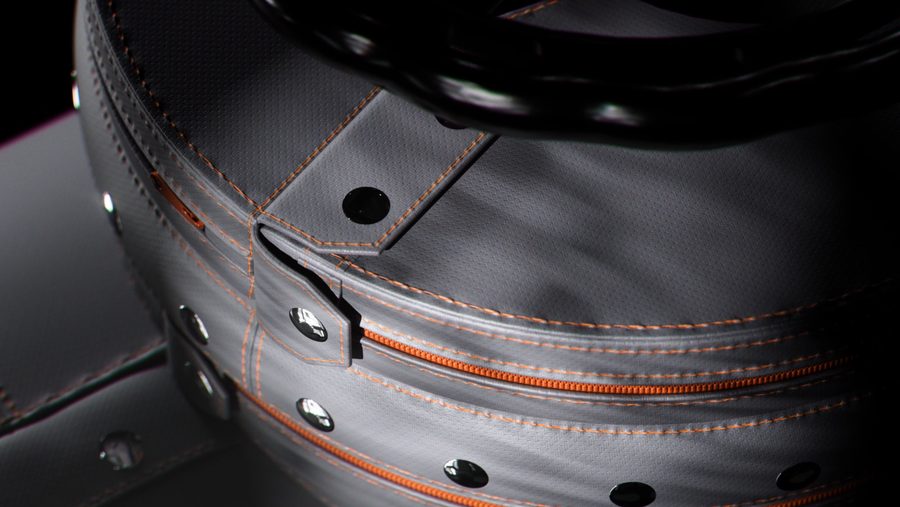
Boilers, kilns, heat exchangers, valves and steam lines lose energy continuously. Inzonex makes patented (UK GB2508992.1) removable modular insulation — snap-fastened covers engineered per temperature tier, not generic off-the-shelf jackets:

  • Up to 90% less heat loss from insulated surfaces
  • Surface temperature ≤45 °C — touch-safe for workers (EN ISO 13732-1)
  • 6× faster maintenance access than fixed cut-and-weld lagging — unclips and refits in minutes, no destruction
  • Inspectable — comes off to check for corrosion under insulation, then refits like-new (generic jackets often don't survive removal)
  • Typical payback under 2 years (some 9–11 months)

ISO 50001 vs ISO 14001

ISO 50001ISO 14001
Focusenergy performance (measurable kWh)environmental aspects (broad)
Core metricEnPIs vs baseline — improvement is auditablecompliance & impact management
Carbon-bill effectdirect: kWh down = Scope 1/2 down = € downindirect

Where insulation fits (first EnPI win)

Every energy review flags the same first SEU finding: standing heat losses on steam and hot-process systems. They're visible (thermal camera), quantifiable (ASTM C680), and fixable without downtime — which makes insulation the classic «first action plan» that proves the EnMS to management. A survey that finds 2–5% of fuel in bare valves and flanges, recovered at <2-year payback, funds the rest of the programme. Run the survey math here.

FAQ

Questions on this topic

What is ISO 50001?
The international standard for energy management systems (EnMS): a PDCA framework that makes energy performance measurable (EnPIs), reviewed and continually improved — certifiable like ISO 9001/14001.
How much energy does ISO 50001 save?
Measured programmes (US DOE cohorts) report ~5.6% average improvement in the first years and 10–25% compounded over a decade — driven by the ranked action list, not the certificate itself.
Is ISO 50001 mandatory?
Generally voluntary, but it satisfies the EU Energy Efficiency Directive's audit obligation (Art. 8) for large enterprises in many member states, and large energy users increasingly face it in tenders.
What is an EnPI?
Energy Performance Indicator — a normalized metric (e.g. kWh per tonne of product) tracked against a baseline so improvement is provable to auditors and management.
How does ISO 50001 reduce carbon costs?
Its output is a ranked savings list; every saved MWh of gas is ≈0.2 t of Scope 1 CO2 — €15 of avoided allowances at today's price, on top of the fuel. The EnMS turns the 2026–2034 carbon schedule into a managed cost-reduction programme.
Source: Inzonex Carbon Hub — inzonex.co.uk/carbon · prices dated as shown on each figure · schedule per Regulation (EU) 2023/956 · indicative analytics, not compliance advice.