Inzonex Carbon Hubpowered by inzonex.co.uk
Carbon Hub → Decarbonization practices
Every industry · evidence-based

Decarbonization practices — what actually cuts emissions, and by how much

Emissions regulation now reaches every industrial sector — ETS and CBAM price the tonnes, SECR/CSRD/ESOS make you publish what you're doing about them, and Germany pays cash for reductions. This page is the practice library: every saving percentage below is tied to a named public source, and the calculator combines them against your own cost split.

The levers, ranked by typical effect on the bill

Where industrial plants actually save

Heat-loss elimination2–5% of fuel bill
Steam-system programme5–12% of fuel bill
Waste-heat recovery3–8% of fuel bill
Compressed-air leak programme + controls2–5% of electricity bill
Variable-speed drives on pumps & fans3–8% of electricity bill
LED lighting + controls2–6% of electricity bill
Water-efficiency programme10–30% of water bill

Bars show the sourced range applied to the relevant utility bill (fuel / electricity / water). Full evidence trail per lever below; combine against your own spend in the calculator.

Evidence table

Every number, with its source

PracticeSourced savingPaybackSource
Heat-loss elimination (insulate bare valves, flanges, fittings, tanks)2–5% of total site fuel<2 yrplant-survey practice; per-surface loss reduction ≈90% computed to ASTM C680 (see inzonex.co.uk/calc methodology)
Steam-system programme (traps, leaks, blowdown, condensate, combustion control)10–18% of boiler fuel — steam carries ~30–40% of industrial process energy<1–2 yrUS DOE/LBNL 'Steam Systems in Industry' (economic potential 18–20% of boiler energy); steam-leak repair alone 2–5%; combustion control to 15% excess air ≈8%; DOE IAC assessments: avg 7-month payback
Waste-heat recovery (economizers, preheating, heat exchange)recover part of the 20–50% of input energy lost as waste heat; economizers ≈3–8% of boiler fuel1–3 yrUS DOE 'Waste Heat Recovery: Technology and Opportunities' (2008): 20–50% of industrial energy input is ultimately lost as waste heat
Compressed-air leak programme + controlsleaks waste 20–30% of compressor output; typical wire-to-work efficiency only 10–15%<1 yrUS DOE / Energy Star compressed-air sourcebook figures
Variable-speed drives on pumps & fans20–50% of the drive's electricity on variable-torque loads1–3 yrUS DOE motor-system tip sheets / Carbon Trust motor guides; motors are the majority of industrial electricity use
LED lighting + controls50–60% of lighting electricity vs legacy HID/fluorescent; controls add up to 30% more1–3 yrUS DOE SSL programme / utility-programme field data; lighting share of facility electricity varies ~5% (process-heavy) to ~30% (warehouse)
Water-efficiency programme (metering, leaks, reuse, washdown discipline)10–30% of site water cost in audited plants<1–2 yrUK Envirowise/WRAP programme practice (low/no-cost actions); US DOE IAC audit aggregate reported tens of millions of gallons saved
Fuel switching / alternative fuels (biomass, heat pump, electrification)cost & CO2 per MWh of heat depend on the route — see the comparison tableprojectindicative mid-2026 EU price ranges (label on the alternative-fuels page); CO2 factors: UK DESNZ 2024

Deep dives: 18 measures priced in €/t abated · 12 initiatives as report entries · pathways for 23 industries · water · alternative fuels.

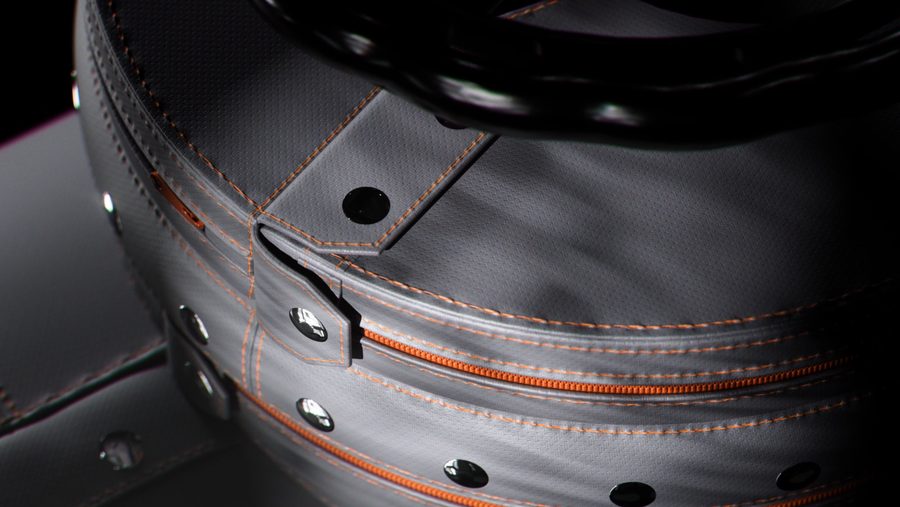
Inzonex removable modular insulation on industrial equipment
Cut the tonnes at the source

Hot industrial equipment? Cut the heat loss.

Boilers, kilns, heat exchangers, valves and steam lines lose energy continuously. Inzonex makes patented (UK GB2508992.1) removable modular insulation — snap-fastened covers engineered per temperature tier, not generic off-the-shelf jackets:

  • Up to 90% less heat loss from insulated surfaces
  • Surface temperature ≤45 °C — touch-safe for workers (EN ISO 13732-1)
  • 6× faster maintenance access than fixed cut-and-weld lagging — unclips and refits in minutes, no destruction
  • Inspectable — comes off to check for corrosion under insulation, then refits like-new (generic jackets often don't survive removal)
  • Typical payback under 2 years (some 9–11 months)
Then collect twice

What the avoided tonnes are worth

FAQ

Questions on this topic

What are the main practices to reduce industrial emissions?
In rough payback order across all industries: eliminate standing heat losses (insulation, 2–5% of site fuel), run a steam-system programme (traps/leaks/combustion — DOE puts the economic potential at 18–20% of boiler energy), recover waste heat (20–50% of industrial energy input is lost as heat, US DOE), fix compressed-air leaks (20–30% of compressor output, DOE/Energy Star), fit VSDs on variable loads (20–50% of the drive's electricity), LED the lighting (50–60% of lighting electricity), run a water programme (10–30% of water cost), then the structural moves: heat pumps, electrification, fuel switching.
How much can a typical plant save in total?
Stacking the efficiency tier (before any fuel switching) typically reaches 10–20% of site energy spend in plants without a recent programme — consistent with US DOE assessment aggregates. The savings calculator on this hub combines the sourced ranges against YOUR cost split.
Which practice should come first?
The one your last audit already flagged. Failing that: heat losses and steam traps — shortest payback (often under a year), no process risk, and they're what ESOS/ISO 50001 assessors list first. Every practice here links to the evidence behind its range.
Why do emissions regulations make these practices urgent?
Because every avoided kWh now pays twice: the fuel AND the carbon. EU industry pays ≈€77.4/t (ETS, live on this hub) with free allocation phasing out to zero by 2034; exporters hit CBAM; large UK/EU companies must publish what they're doing (SECR, ESOS action plans, CSRD). Germany goes further — it PAYS for these measures (BAFA EEW grants value each tonne of annual CO2 saving at up to €500).
Source: Inzonex Carbon Hub — inzonex.co.uk/carbon · prices dated as shown on each figure · schedule per Regulation (EU) 2023/956 · indicative analytics, not compliance advice.