Inzonex Carbon Hubpowered by inzonex.co.uk
Carbon HubReporting → Germany: funded efficiency
🇩🇪 The country that pays for reductions

Germany pays for CO2 reductions — EEW grants & the EnEfG duty

German industry sits in a unique squeeze-plus-subsidy: the Energy Efficiency Act (EnEfG) makes companies LIST and publish their viable efficiency measures — and the federal EEW programme then funds implementing them, with each tonne of annual CO2 saving valued at up to €500 in the competitive strand (BAFA). The audit finding is no longer a cost: it's a grant application.

The carrot

EEW — Bundesförderung für Energie- und Ressourceneffizienz

ElementDetail (BAFA, funding directive of 25 Jan 2024)
Grant intensity30% (large) / 40% (medium) / 50% (small companies) of eligible costs
Cap€15M per project
CO2 valuation (competitive strand)up to €500 per tonne of ANNUAL CO2 saving
Relevant moduleModul 4 — energy/resource optimisation of plants and processes (incl. process-heat measures such as insulation)
Administered byBAFA (grants) / KfW (loan variant)

Source: BAFA EEW programme pages and the dena EEW overview. Conditions change — verify the current call before applying; we'll happily supply the ASTM C680 savings documentation a EEW application needs.

The stick

EnEfG — the Energy Efficiency Act duties

ThresholdDuty
>7.5 GWh/yrcertified energy/environmental management system (ISO 50001/EMAS) — deadline 18 Jul 2025
>2.5 GWh/yrpublish implementation plans for all economically viable measures from audits/EnMS within 3 years
>2.5 GWh/yravoid or use waste heat; report waste-heat data to the federal platform (Bundesstelle für Energieeffizienz)

The implementation-plan duty means every audit finding — bare valves included — becomes a published commitment. The economics already favoured fixing them; EnEfG + EEW removes the last excuse. German-language version: Förderung für Effizienzmaßnahmen →

Inzonex removable modular insulation on industrial equipment
Cut the tonnes at the source

Hot industrial equipment? Cut the heat loss.

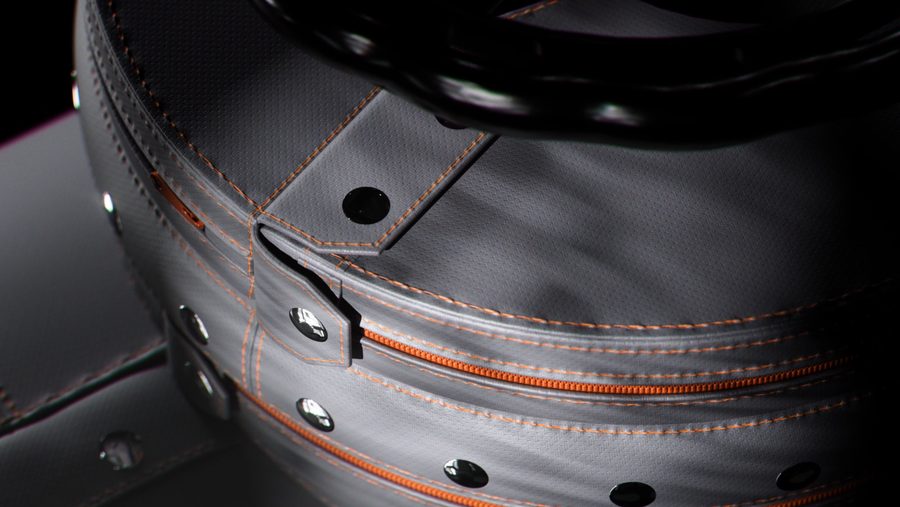
Boilers, kilns, heat exchangers, valves and steam lines lose energy continuously. Inzonex makes patented (UK GB2508992.1) removable modular insulation — snap-fastened covers engineered per temperature tier, not generic off-the-shelf jackets:

  • Up to 90% less heat loss from insulated surfaces
  • Surface temperature ≤45 °C — touch-safe for workers (EN ISO 13732-1)
  • 6× faster maintenance access than fixed cut-and-weld lagging — unclips and refits in minutes, no destruction
  • Inspectable — comes off to check for corrosion under insulation, then refits like-new (generic jackets often don't survive removal)
  • Typical payback under 2 years (some 9–11 months)
Worked example

An insulation programme through the German lens

45 t CO2/yr heat-loss elimination programme (≈25 kW of bare components, ASTM C680, DESNZ factors): fuel saving ≈€12,000/yr at €0.05/kWh + ETS value ≈€3,483/yr + EnEfG implementation-plan entry done + EEW grant case where those 45 annual tonnes are valued at up to €22,500 in the competitive strand. Payback before grants: <2 years. After: do the math.

Figures from the Carbon Savings Certificate tool — generate your own in 30 seconds.

FAQ

Questions on this topic

Does Germany pay companies for reducing CO2?
Yes — the federal EEW programme (Bundesförderung für Energie- und Ressourceneffizienz in der Wirtschaft, run by BAFA) grants up to 30% of eligible costs for large companies, 40% for medium and 50% for small ones, capped at €15M per project; in the competitive strand the funding logic values each tonne of ANNUAL CO2 saving at up to €500. Energy-efficiency measures — including process-heat insulation — are core eligible categories (Modul 4: optimisation of plants and processes).
What does the German Energy Efficiency Act (EnEfG) require?
Companies above 7.5 GWh/yr final energy must run a certified energy/environmental management system (deadline was 18 July 2025); companies above 2.5 GWh/yr must publish implementation plans for all economically viable efficiency measures found in audits, and must avoid or use waste heat and report it to the federal waste-heat platform. In short: the measure list is mandatory — funding it via EEW is the rational response.
What does this mean for insulation projects in Germany?
A surveyed heat-loss elimination project arrives with exactly what both regimes want: a quantified t CO2/yr figure (audit-grade, ASTM C680) for the EnEfG implementation plan, and a grant case for EEW where each of those annual tonnes is valued at up to €500 in the competitive strand. Example: a 45 t CO2/yr insulation programme = up to €22,500/yr of valued reduction in the funding logic, on top of the fuel saving itself.
Source: Inzonex Carbon Hub — inzonex.co.uk/carbon · prices dated as shown on each figure · schedule per Regulation (EU) 2023/956 · indicative analytics, not compliance advice.