
Do not compare a headline price until the instrument, covered activity, allocation method, compliance unit, date and currency basis are aligned.
Use the applicable EU legal text and Commission guidance for the installation or imported goods.
Use the current responsible national authority for legal scope and compliance rules. Use the World Bank dashboard only as a dated cross-country register.
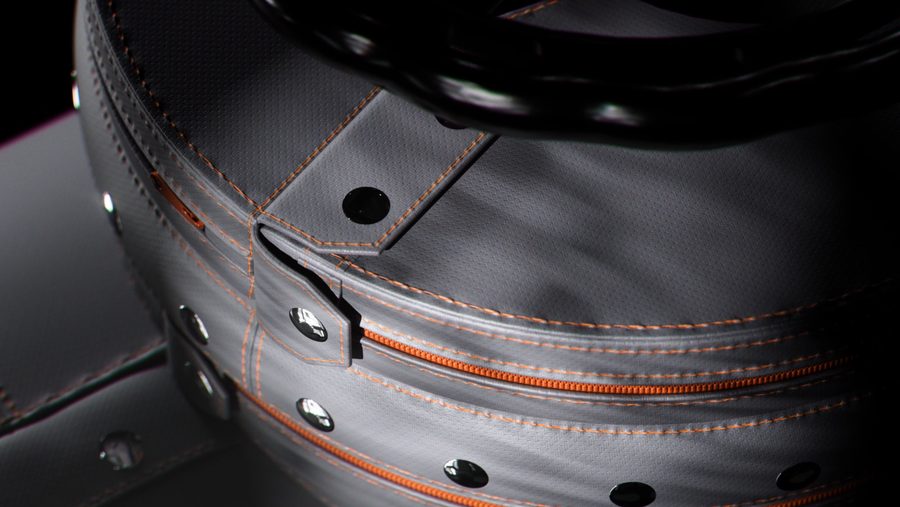
Use measured surface area, temperature and operating hours to calculate heat loss from boilers, kilns, heat exchangers, valves and pipework. Inzonex supplies removable modular insulation for equipment that requires maintenance access.
Do not add a calculated reduction to an emissions report until the reporting boundary, factor, implementation date and verification method have been approved.
Compare the covered entity, cap or benchmark, allocation, compliance period, unit, price observation, exchange-rate date and treatment of imported goods.
A price difference does not by itself establish total compliance cost, competitiveness, trade exposure or the result for a particular installation.
No current China price, exchange-rate conversion or forecast is asserted on this page.