
Build a site water balance, include the energy used to heat and treat water, and quantify each measure from site data.
Build the cost boundary before comparing measures. Include water supply, treatment, useful heat, system losses and effluent charges where they apply.
| Cost layer | Boundary | Input |
|---|---|---|
| Supply | Metered intake | Use the site tariff |
| Treatment | Softening, reverse osmosis and chemicals | Use operating records |
| Useful heat | About 58 kWh per m³ for a 50 °C temperature rise | Calculated from water heat capacity |
| System losses | Boiler, distribution and storage losses | Measure or use verified equipment data |
| Effluent | Discharge and treatment charges | Use the permit and tariff |
| Measure | Purpose | Evidence needed |
|---|---|---|
| Sub-metering | Separate process areas and establish a baseline | Meter readings and operating schedule |
| Leak testing | Identify continuous loss | Flow test or night-flow record |
| Controlled washdown | Match flow and duration to the task | Measured flow and cycle time |
| Condensate return | Recover water, heat and treatment value | Return flow, temperature and hours |
| Cooling-tower control | Control blowdown against water quality | Conductivity, make-up and blowdown records |
| Water reuse | Reuse a suitable stream for a lower-grade duty | Quality, permit and process review |
Record the calculation and source data before reporting an emissions reduction. Use the draft carbon calculation record to retain the boundary and inputs.
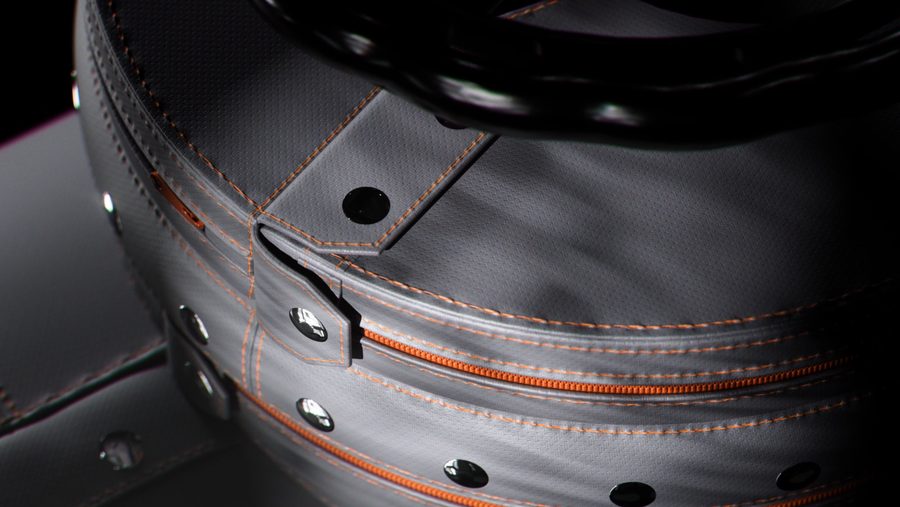
Use measured surface area, temperature and operating hours to calculate heat loss from boilers, kilns, heat exchangers, valves and pipework. Inzonex supplies removable modular insulation for equipment that requires maintenance access.
Do not add a calculated reduction to an emissions report until the reporting boundary, factor, implementation date and verification method have been approved.