Inzonex Carbon Hubpowered by inzonex.co.uk
Carbon Hub → ESG
Social · the S in ESG

Social impact: decarbonization is also a safety programme

The social ledger of industrial carbon work is concrete: cooler and safer workplaces, retrofit jobs that stay local, and plants that remain open because their cost base survived the carbon decade.

Worker safety — the 45 °C line

Bare process surfaces at 150–400 °C are burn hazards regulated by EN ISO 13732-1 (touch-temperature limits). Insulating to a ≤45 °C surface — the spec our removable covers are engineered to — removes the hazard AND the heat loss in one measure: the rare case where the safety officer and the CFO sign the same purchase order.

Heat stress on the shop floor

Radiant heat from uninsulated equipment raises workplace WBGT; heat-stress standards (ISO 7243) force breaks and slow work in hot zones. Plants report measurably cooler aisles after insulating large radiant surfaces — productivity and comfort move with the energy bill.

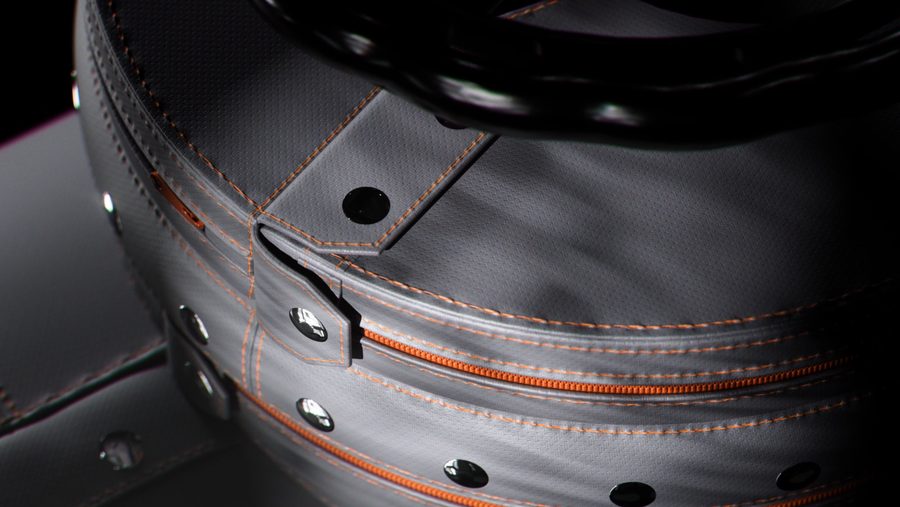
Inzonex removable modular insulation on industrial equipment
Cut the tonnes at the source

Hot industrial equipment? Cut the heat loss.

Boilers, kilns, heat exchangers, valves and steam lines lose energy continuously. Inzonex makes patented (UK GB2508992.1) removable modular insulation — snap-fastened covers engineered per temperature tier, not generic off-the-shelf jackets:

  • Up to 90% less heat loss from insulated surfaces
  • Surface temperature ≤45 °C — touch-safe for workers (EN ISO 13732-1)
  • 6× faster maintenance access than fixed cut-and-weld lagging — unclips and refits in minutes, no destruction
  • Inspectable — comes off to check for corrosion under insulation, then refits like-new (generic jackets often don't survive removal)
  • Typical payback under 2 years (some 9–11 months)

Jobs: retrofit vs relocation

The 2026–2034 cost ramp ends in one of two ways per site: a competitive retrofit (efficiency, electrification — work done by local trades) or capacity moving to cheaper-carbon regions. EU transition funds (Just Transition Fund, Innovation Fund) exist precisely to finance the first path. Every €/t of abatement cost matters to which path wins.

FAQ

Questions

How does insulation improve worker safety?
It brings touch temperatures to ≤45 °C (EN ISO 13732-1 guidance) and cuts radiant heat-stress in work zones — eliminating burn hazards while saving fuel.
Does decarbonization cost industrial jobs?
Closure does; retrofit doesn't. Efficiency and electrification work is performed locally, and sites with lower carbon cost-bases are the ones that stay open through 2034.
What standards cover heat exposure at work?
EN ISO 13732-1 (touch temperature), ISO 7243 (WBGT heat stress), plus national workplace codes. Insulation is the engineering control of first resort for both.
How this page is built: heat-loss figures follow ASTM C680 / ISO 12241 (the method behind our public calculators); facility emissions from Climate TRACE & EU ETS verified data across 30,000+ industrial sites; the 2026–2034 schedule is Regulation (EU) 2023/956, not a forecast. Published by Inzonex — manufacturer of modular removable insulation (UK Patent GB2508992.1). Spotted an error? Tell us — we correct on evidence.
Source: Inzonex Carbon Hub — inzonex.co.uk/carbon · prices dated as shown on each figure · schedule per Regulation (EU) 2023/956 · indicative analytics, not compliance advice.