
Set the boundary first. Collect site evidence before selecting a measure or reporting a result.
Separate validated process loads from clean utilities, heating, cooling, ventilation and general utilities.
Approved operating ranges, clean-steam and water duties, HVAC schedules, energy data, production campaigns, validation status and change-control requirements.
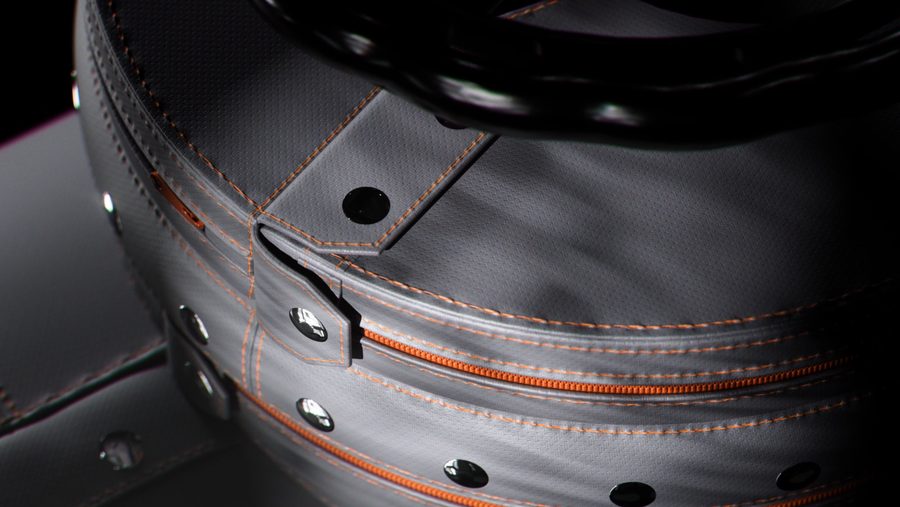
Use measured surface area, temperature and operating hours to calculate heat loss from boilers, kilns, heat exchangers, valves and pipework. Inzonex supplies removable modular insulation for equipment that requires maintenance access.
Do not add a calculated reduction to an emissions report until the reporting boundary, factor, implementation date and verification method have been approved.
Route each measure through quality, validation and change control. Do not infer feasibility from a utility energy balance alone.
Review non-product-contact steam, condensate and hot-water equipment and clean-utility surfaces where the construction meets site requirements.
US Department of Energy: Steam Systems
This page does not assign a sector benchmark, standard saving, cost or payback. Use current site data, record the calculation method and obtain the required technical and compliance review.