Brewery heat-loss · ASTM C680

Where a brewery loses heat — and what it costs

Updated 17 June 2026 · ASTM C680 / ISO 12241 method

Walk the hot side of your brewery, tick the equipment you run, and watch the savings from removable insulation add up live — energy, money and CO₂, with payback. No site visit. Jump to: Remote calculator · Brewhouse · Boiler house · Packaging. Looking for a specific site? Explore 2,700+ breweries on the BreweryAtlas map.

Surface ≤45 °C touch-safe Up to 96% heat-loss cut Payback <2 years ASTM C680 method
Annual savings
$117,300
vs. uninsulated baseline
Payback
< 1.5 yr
average, recent projects
Energy saved
2,012 MWh
fuel not burned
CO₂ reduction
433 t
0.215 t per MWh gas

Reference site: UK mid-size brewery, full-site Inzonex Modular Insulation (boiler house + brewhouse + packaging + process pipework). Natural gas ≈ $58/MWh, 95% heat-loss reduction.

Where your brewery loses heat

Walk the hot side — by area

Open each area to see the equipment and the savings removable insulation delivers. Ready for the full picture? Build a remote whole-brewery calculator — last card, no site visit.

Build a remote heat-loss calculator for your whole brewery — no site visit. Tick the equipment you run, adjust the rough sizes, and the panel shows the total energy, money and CO₂ that removable insulation would save, with payback. Then send it for an exact quote.

Assumptions: · hot-side hours per ASTM C680 defaults

Get a tailored assessment for your brewery

Tell us what you'd like us to look at — we reply with an exact quote + a PDF breakdown (kW, MWh/yr, CO₂, payback). One email, no spam.

What would you like us to look at?
Boiler house Brewhouse Packaging CIP / process lines Whole site

Kettles and tuns hold large hot surfaces for hours each brew. Insulating heads and shells holds wort temperature and cuts kettle energy — each cover templated to your vessel.

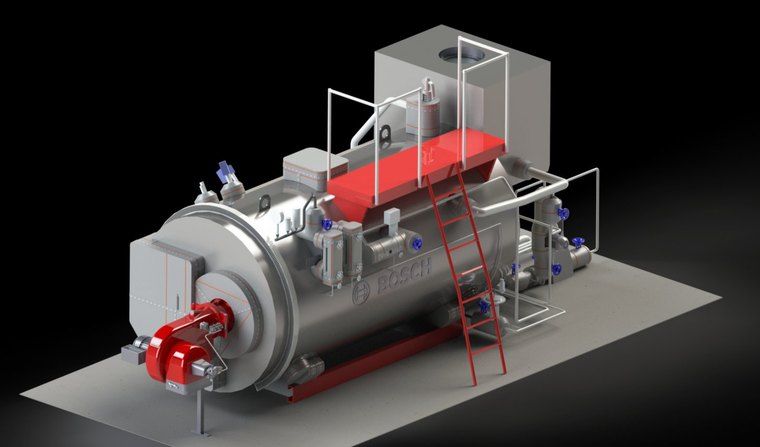
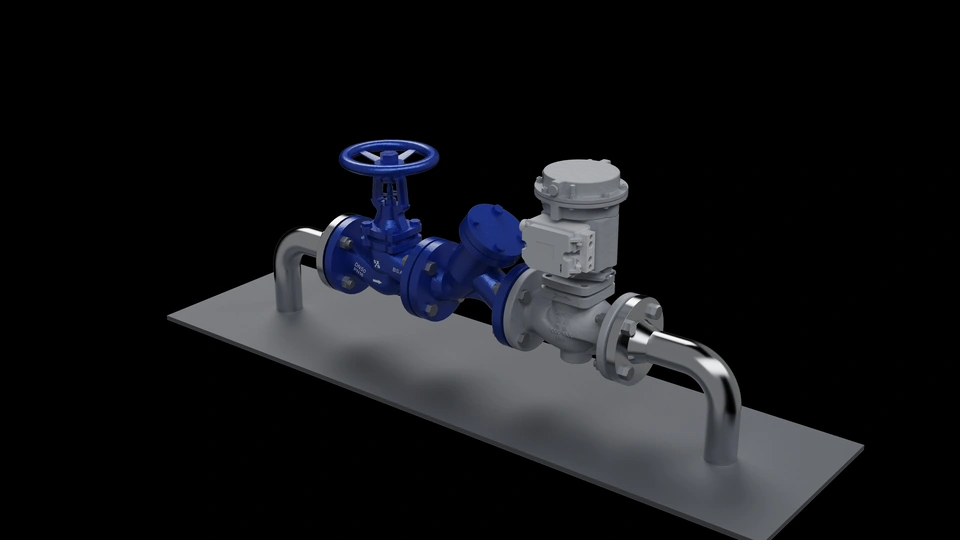
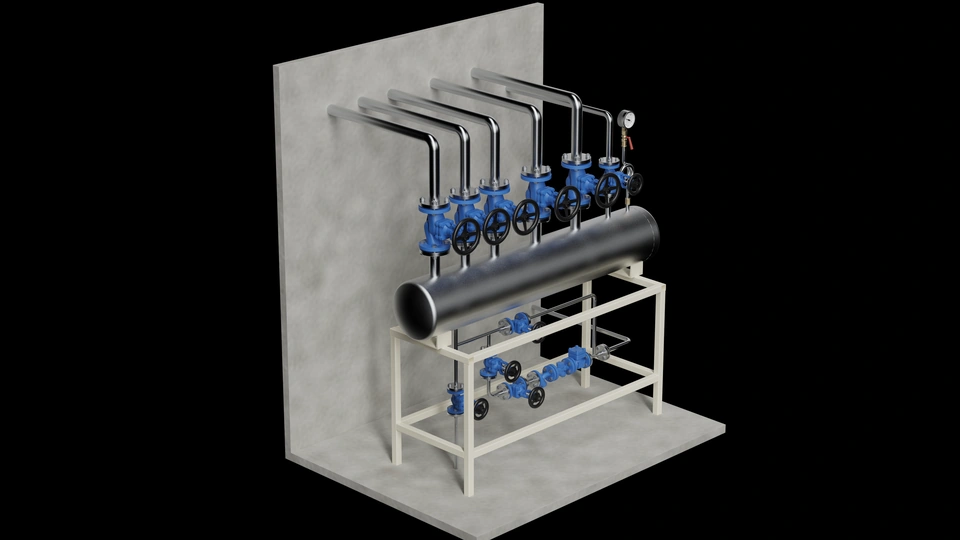
The boiler house runs hottest and longest. Bare doors, valves, water-level columns and steam & condensate lines here usually have the fastest payback in the whole plant.

Interactive boiler heat-explorer. See the Bosch steam boiler in 3D — bare vs insulated, front / side / isometric — and calculate the savings across all 17 fittings. Open the tool → See a real boiler-house result. A Bosch steam boiler insulated end-to-end — door, burner flange and steam valves — with FLIR-verified surfaces from up to 190 °C → ~30 °C touch-safe, and why bare doors finally get covered. View the result →

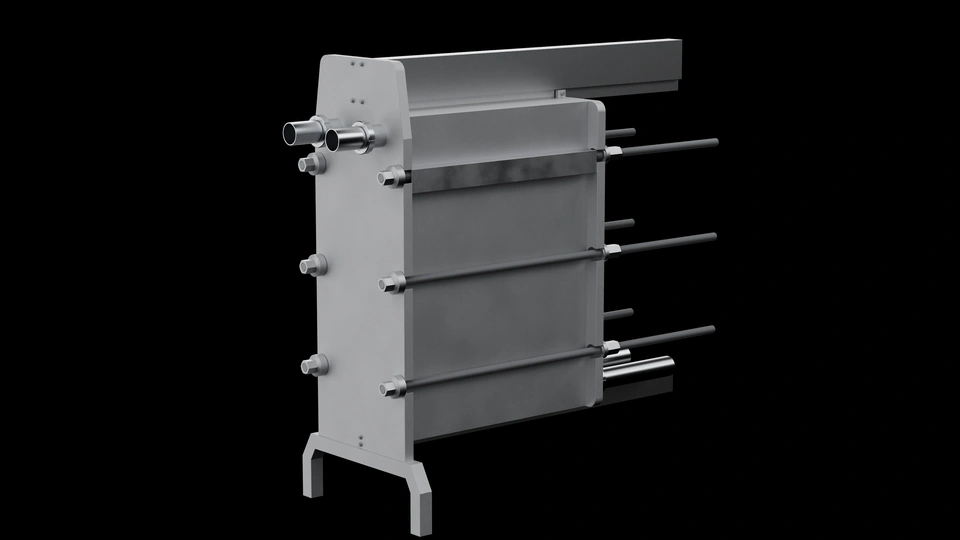
Pasteurisers and washers carry hot water and steam through long machine runs. Hot zones and supply pipes leak heat into the hall — and stay touch-safe once covered.

Put a number on a single item

Pick any hot surface, enter its size and temperature, and see the energy, money and CO₂ that Inzonex modular insulation would save — with payback. ASTM C680 method, no sign-up. Not a brewery? Run the whole-plant industrial heat-loss & CO₂ calculator.

Open the calculator →
Why Inzonex

Engineered to fit, fasten and serve

Three details that set Inzonex modular insulation apart on brewery hot surfaces — and why it keeps performing year after year. Product & tech specs →

Easy installation

Snap-button fastening

Stainless snap buttons fasten and release each cover by hand — no tools, no fixings drilled into the equipment. Covers go on fast at install and unclip in seconds for routine access, valve operation or inspection, then snap back exactly.

Serviceable · reliable

Zip-out insulation core

The cover unzips so the mineral-wool core lifts out — to wash the outer fabric or renew the insulation without scrapping the whole cover. The shell stays in service; only the core is replaced, so the cover lasts for years.

Modular & form-fitting

Follows the equipment's shape

Modular sections connect to one another and wrap the exact geometry — minimising creases and folds where water, dust or CIP chemicals could pool or seep in during washdown. The clean, tailored finish also looks right for visitors, auditors and stakeholders.

Methodology & buyer questions

Brewery heat-loss — FAQ

How much heat does an uninsulated brewery lose?
A small-to-mid brewery loses tens of kilowatts continuously from bare kettles and tuns, the boiler door and valves, pasteuriser roofs and feed-water lines. On the canonical model used here (ISO 12241, convection + radiation, lightly-ventilated hall at 25 °C with 0.5 m/s air) a bare wort-kettle face loses ≈1,100 W/m² at 99 °C, and a Bosch steam boiler's bare fittings alone ≈25 kW. Removable insulation cuts each by ~90–95%.
What temperature are the main vessels?
Wort (brew) kettle ≈99 °C at the boil, mash tun ≈68 °C, lauter tun ≈77 °C at mash-out, whirlpool ≈92 °C, cereal/adjunct cooker ≈95 °C; steam and condensate lines and boiler fittings run 120–300 °C. The surface temperature drives the loss — each is modelled at its real operating temperature.
Which equipment is worth insulating first?
The hottest, longest-running surfaces: the boiler door and steam-side fittings (≈180–300 °C), then the wort kettle and whirlpool, then the pasteuriser roof and feed-water pumps. The boiler house usually shows the fastest payback.
How much can it save, and how fast is the payback?
Up to 96% heat-loss reduction, with the cover surface dropping to a touch-safe ≤45 °C. For a full brewery (brewhouse + packaging + boiler house) payback is typically around 13 months on the figures in this tool, and well under 2 years for most single items.
How is Inzonex different from insulation jackets / blankets?
Inzonex is an engineered modular system — not a loose jacket. Each cover is templated to the exact geometry (valves, PRVs, heat exchangers, boiler doors, irregular shapes) — the complex spots where flat blanket suppliers stop. Stainless snap-button fasteners close it by hand: no tools, no fixings drilled into the equipment, and access in seconds. The form-fitting build follows the surface, so there are minimal folds or creases where water, dust or CIP chemicals could collect. The insulating core (PAROC stone wool, fully certified) is independently replaceable; the outer shell is silicone (standard) or PTFE (chemical / caustic-resistant) in a range of colours. The result looks tailored and professional — not a sack, which matters for visitors, auditors and stakeholders — with high day-to-day usability: unclip, clean, refit every cycle.
Do you replace our metal cladding / lagging?
No. We do not rip out or replace rigid sheet-metal cladding or hard lagging. Inzonex sits alongside it and covers what cladding can't — the valves, doors, flanges, manholes and irregular fittings that are usually left bare. The first step on most sites is an audit of those bare spots, not a rip-and-replace.
Does insulating hot surfaces lower the brewhouse temperature?
Yes. Less radiant and convective heat enters the hall, so the ambient temperature falls. That improves working conditions and helps avoid overheating nearby electronics, sensors and control panels — on top of the touch-safe ≤45 °C cover surface.
Is the insulation removable for cleaning and inspection?
Yes. Inzonex modular covers unclip in minutes for CIP, inspection or valve access and refit exactly — no hard lagging to cut off and rebuild. Snap buttons give routine access; the core unzips for replacement and washing.
What is the lead time?
End-to-end — production + delivery + installation — about 4–6 weeks in Europe and 8–12 weeks worldwide (sea freight). As a breakdown: production 2–6 weeks, EU delivery under a week, sea delivery roughly 4–6 weeks. Minimum order 100 pieces.
How long does it last, and what's the warranty?
The outer shell lasts on the order of 15 years; the PAROC stone-wool core is independently replaceable, so a cover is renewed rather than scrapped. In harsh climates covered hardware has been documented lasting 15–25 years. Rated for service up to +600 °C. Covers carry a 3-year warranty (excluding leaks and similar process faults), and an optional annual paid service keeps them performing year after year.
Want the maths? Every figure comes from the same ASTM C680 / ISO 12241 model — read the full methodology →