
Visual Heat Explorer
See what the project is,
and what it saves.
Steam · Condensate · Feedwater · Hot water
See the four circuitsChoose a circuit or a piece of equipment
Compare bare equipment with Inzonex removable insulation, then enter your dimensions and temperatures to estimate heat loss and savings.
 100 to 320 °C
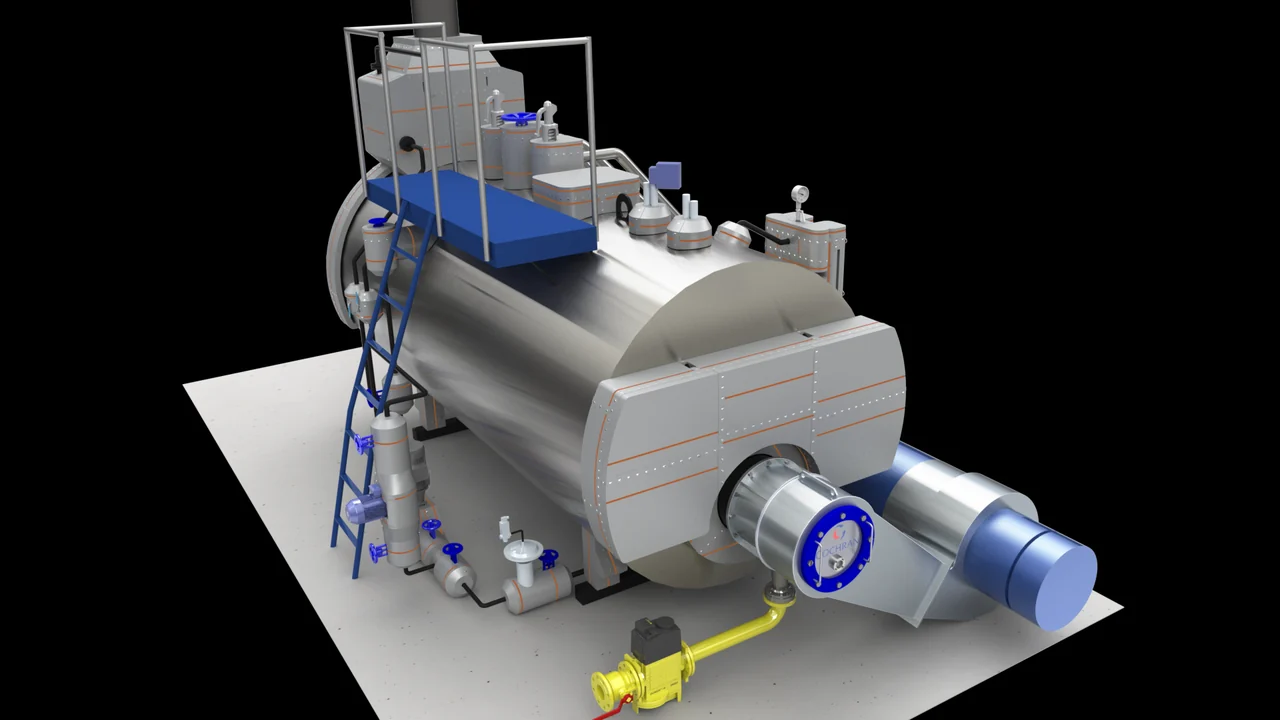
Steam boilers
Boiler shell, front door, burner flange, manhole, top valves and economiser.
OPEN →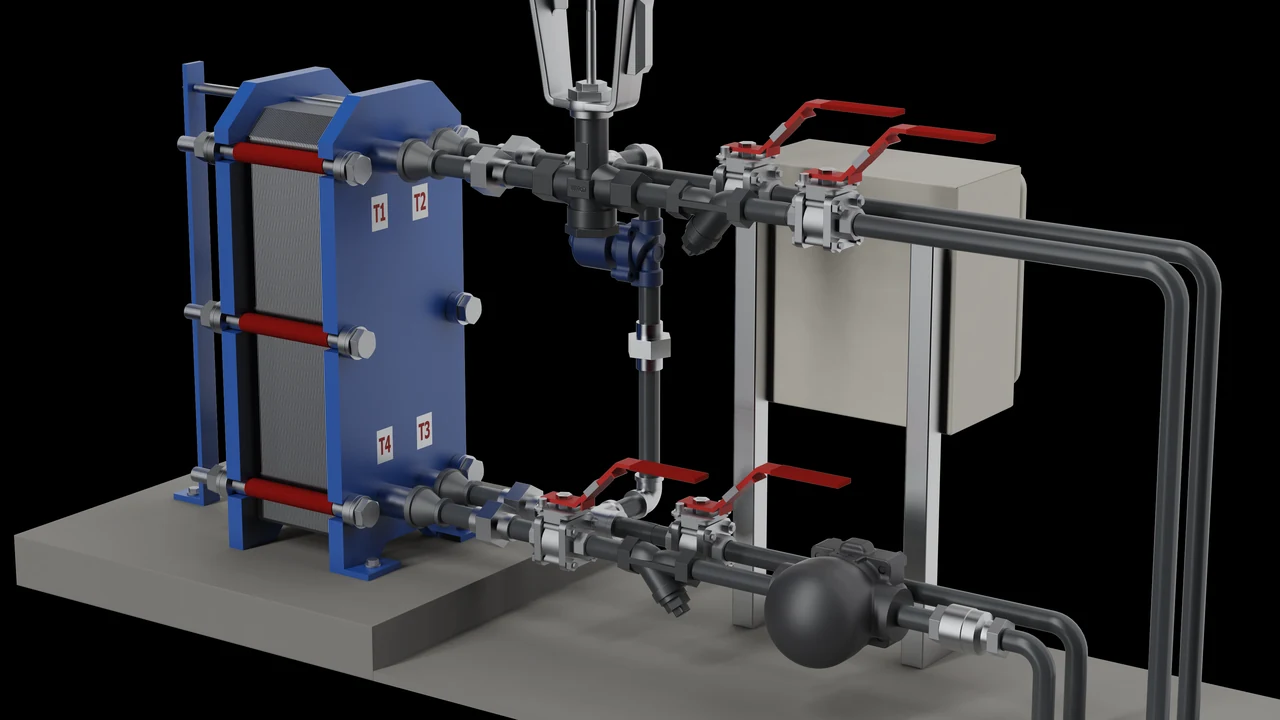 Condensate · 100 to 140 °C
Condensate line
Exchanger, float trap, control valve, ball valves and strainers.
OPEN →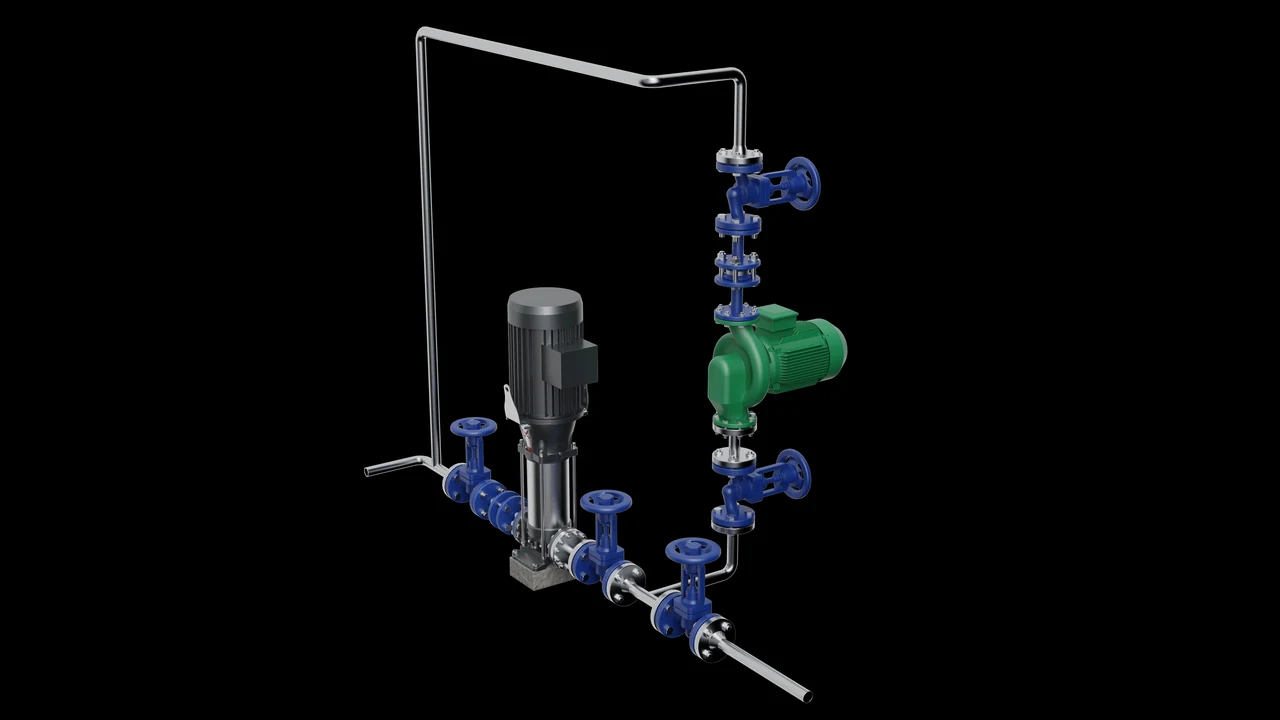 Feedwater · 100 °C
Feedwater line
Feed pumps, valves on the line and flanged joints.
OPEN →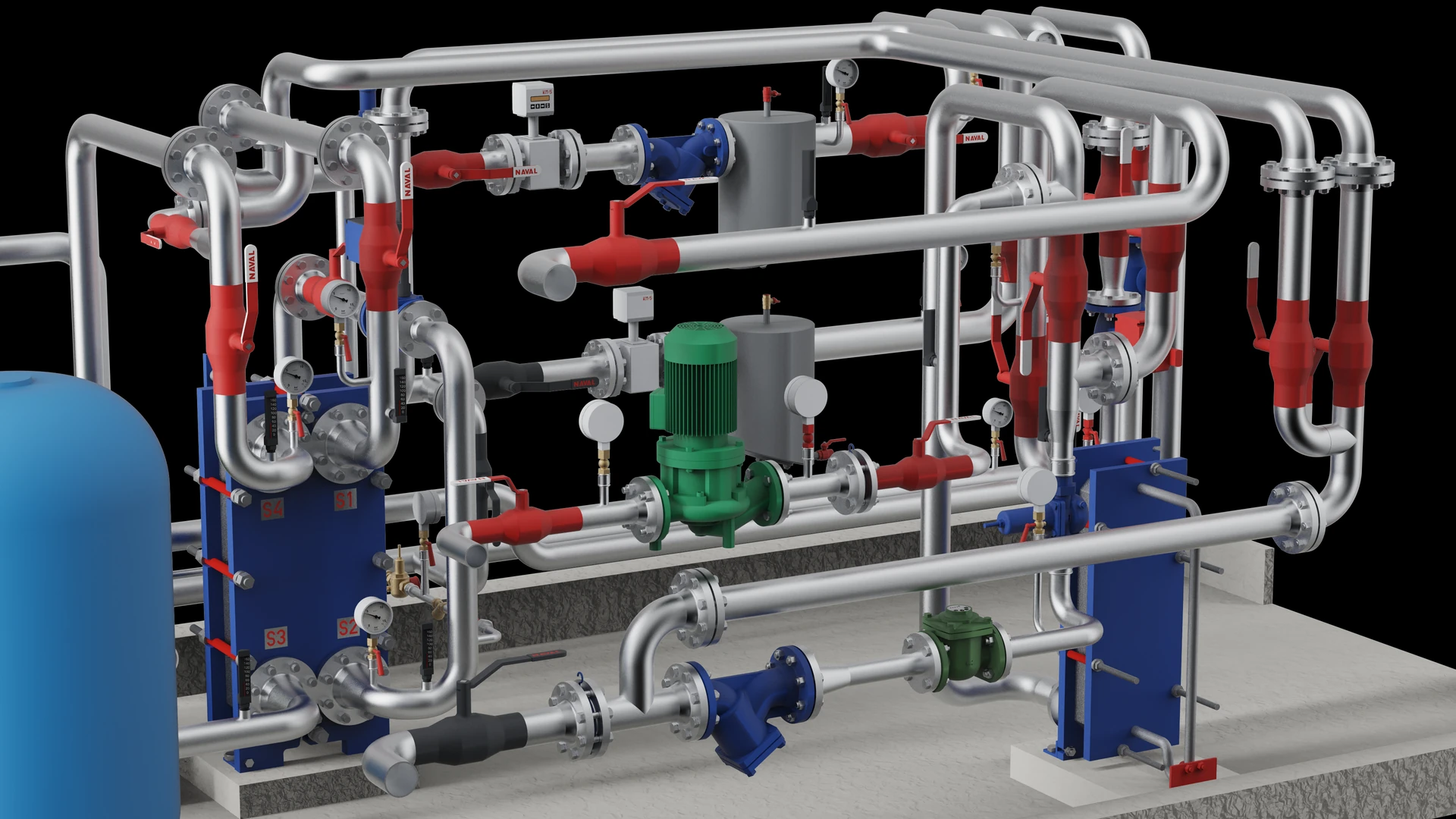 Hot water · 60 to 80 °C
Hot water service
Plate exchangers, circulation pumps, ball valves and a dirt separator.
OPEN →
Valves and piping
Stop, ball and control valves, Y-strainers and pipe. Build a table and it totals the line.
OPEN THE CALCULATOR →
Heat exchanger
A plate heat exchanger, sized by you.
OPEN →
Steam header
The header and the valves along it.
OPEN →01 / Common questions
Questions.
What is a plant room?
The room where a site makes and moves its heat. It holds heat exchangers, pumps, valves, strainers and vessels between the incoming supply and the distribution pipework.
What does the Visual Heat Explorer do?
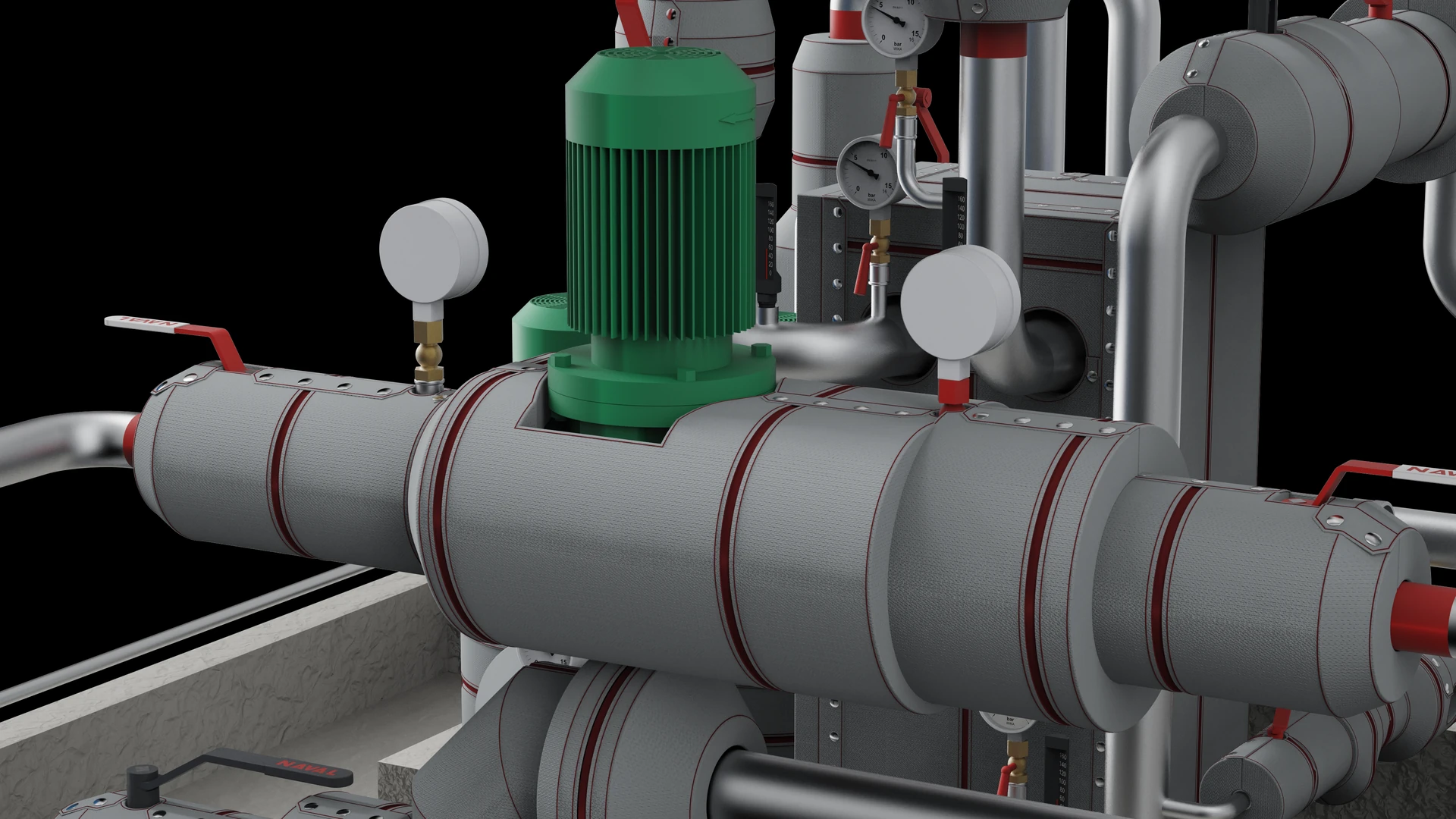
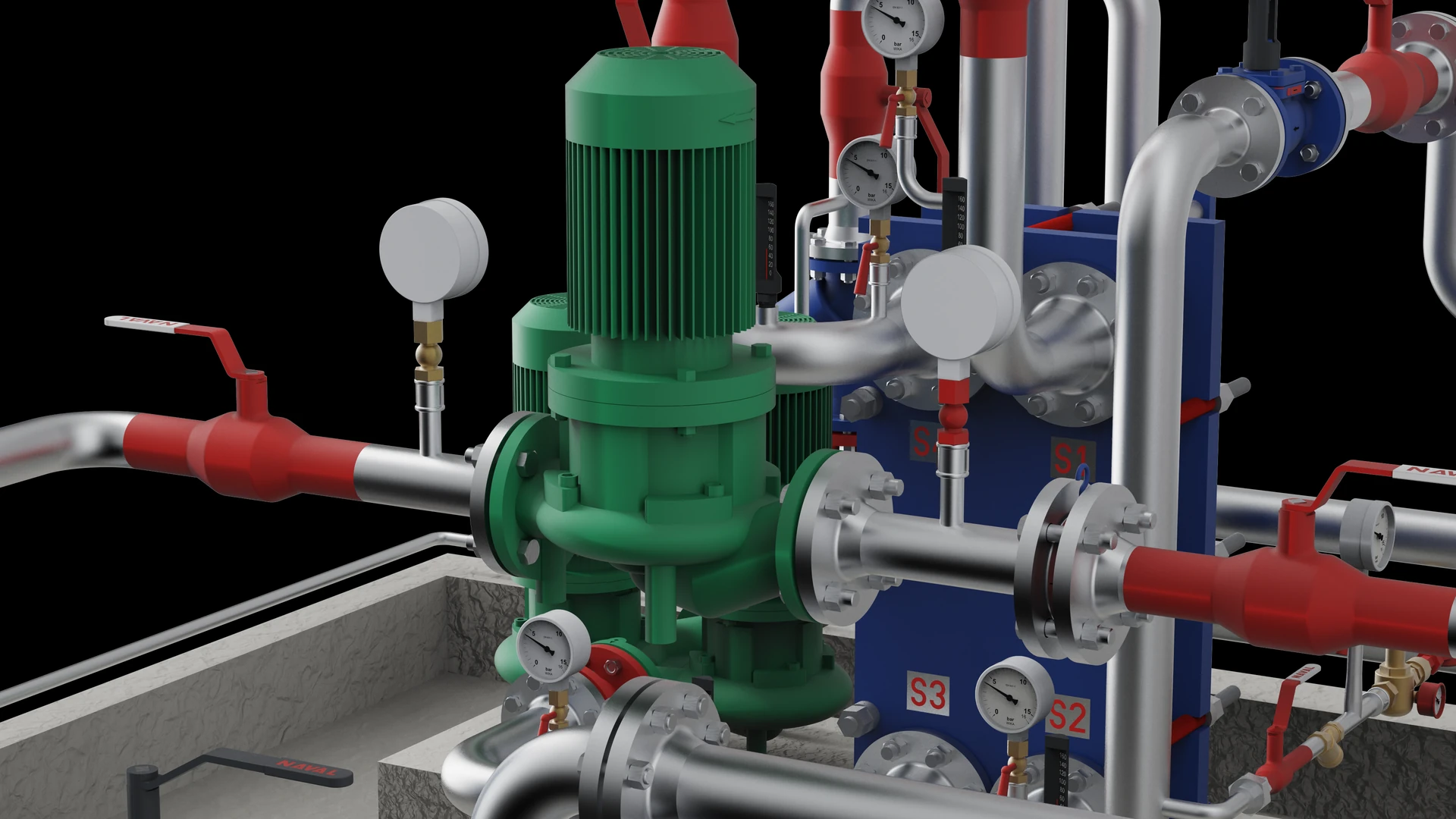
Visual Heat Explorer estimates heat loss before and after removable industrial insulation and shows 3D models of the same equipment in both states. It illustrates Inzonex Modular Insulation as a fitted alternative to conventional insulation jackets and blankets. Enter your own areas, temperatures and running hours and the figures update.
How is the figure produced?
Convection and radiation are worked out separately for each surface, then the insulated case is solved until the outer temperature settles. Class multipliers and the seam allowance are assumptions, so treat the result as an estimate until the equipment is measured.
Is insulated equipment safe to touch?
We design for an outer surface at or below 45 °C. This is our own target; EN ISO 13732-1 gives the burn thresholds we check it against. The figures come from an energy balance with no temperature cap, so a result above 45 °C does not meet the target and the design needs changing.
Can this be done without a site visit?
You need surface temperature, area, shape and running hours. Enter them and the page returns an estimate. A site survey confirms geometry, surface temperatures, coverage and operating conditions, and may lead to a more detailed model.
Which circuits are covered?
Steam, condensate, feedwater and hot water. Hot water, condensate and feedwater are modelled item by item; the steam side has its own section on boilers. Each circuit sits in a different temperature band, so each is worked out separately.
How much heat does a bare hot-water skid lose?
At 60 °C, the skid modelled here sheds 13.0 kW. With 50 mm of removable insulation it sheds 741 W, which is 94.3 per cent less.
How much heat does a bare condensate line lose?
At 110 °C, that line sheds 4.0 kW, and 184 W with the same 50 mm, which is 95.4 per cent less.
Why is there no total for the whole tool?
Three circuits are modelled and the steam side is not. Each circuit has its own total on its own page.