Inzonex Insulation Hubpowered by inzonex.co.uk
Insulation Hub → Removable access & inspection
Maintenance · Access · Inspection

Removable Insulation for Maintenance Access & Inspection

For maintenance teams, insulation is something you fight: it gets cut off to reach the valve, then re-lagged afterwards — or left bare. Removable covers flip that: unclip, work, refit.

TL;DR. Fixed lagging is single-use — cut off to reach the component, binned, then re-bought and re-fitted. Removable covers unclip in seconds, refit, and survive the cycle: up to 6× faster maintenance access than standard insulation jackets and metal cladding/boxes, no re-lag cost, and the surface stays touch-safe (≤45 °C) and inspectable between jobs.

The hidden cost of fixed lagging: every job destroys it

On any component that gets opened — valves, flanges, traps, manways, expansion joints — fixed lagging has to be cut away to get access, and it cannot be put back. So each maintenance event carries a re-lag bill (material + labour + scaffold time), and when budgets are tight the re-lag is deferred and the component runs bare. That bare component then loses heat, becomes a burn hazard, and — if moisture gets in — starts to corrode unseen.

Access effort: fixed vs removable

Access + re-secure effort per maintenance event (relative)Standard jacket /metal box (cut + re-lag)Removable cover(unclip + refit)Indicative — Inzonex canonical: up to 6× faster maintenance access vs standard insulation jackets and metal cladding/boxes.
Per maintenance eventFixed laggingRemovable cover (Inzonex)
Access a valve/flangeCut the lagging offUnclip in seconds
After the jobRe-lag (material + labour + scaffold time)Refit the same cover
Insulation re-usedNo — cut lagging is binnedYes — survives many cycles
Surface left bare?Often, if re-lag is deferredNo — refits immediately
Inspection (CUI, leaks)Skipped to avoid the costRoutine — it just unclips
Access speedHoursUp to 6× faster than standard insulation jackets and metal cladding/boxes

Want the actual minutes and money? We published measured unclip/refit times (2–15 min per cover, live installation) and an interactive calculator that costs access hours at your own crew rate: the maintenance-access cost calculator · measured access-times dataset (CC BY 4.0).
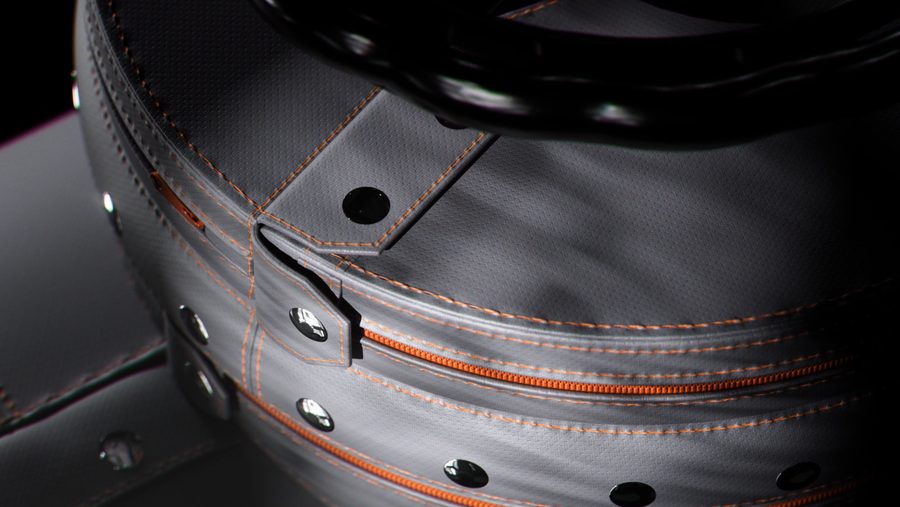
Inzonex removable modular insulation on industrial equipment
From the people who publish this data

Components that get opened need covers that come off.

Inzonex makes modular removable insulation — engineered covers with snap-button closures, cores tiered by temperature (needle mat / wired mat / silica), surfaces held at ≤45 °C:

  • Up to 96% less heat loss from covered components
  • 6× faster maintenance access than standard insulation jackets and metal cladding/boxes — unclips, refits, survives the cycle
  • Typical payback up to 2 years (hot, frequently-opened gear: 9–11 months)
FAQ

Questions on this topic

How much faster is removable insulation to work with?
Up to 6× faster access than standard insulation jackets and metal cladding/boxes on frequently-opened components. A fixed-lagged valve or flange has to be cut open and then re-lagged afterwards — labour, material and often scaffolding time; a removable cover unclips in seconds and refits, so the same job takes a fraction of the time.
Why does re-using the insulation matter?
Fixed lagging is destroyed when it is cut off, so every turnaround buys new material and pays to refit it. A removable cover is designed to survive the cycle and refit unchanged — you pay once. Over a few maintenance cycles that is a large, recurring saving plus far less waste.
Do removable covers survive repeated removal?
Yes — that is their design intent. Snap-button closures and durable skins are built for repeated unclip/refit; the core stays protected. Fixed lagging, by contrast, is single-use the moment maintenance touches it.
What happens to the surface between maintenance jobs?
With removable covers it stays covered and touch-safe (≤45 °C) — the cover refits immediately after the job. With fixed lagging, re-lagging is often deferred to save cost, so the component runs bare: heat loss, burn risk and (if wet) CUI all return. See corrosion under insulation.
Where does removable insulation pay back fastest?
On components that are opened often — valves, flanges, strainers, steam traps, manways, instrument tappings, expansion joints — and anything on an inspection schedule. The more frequently a component is accessed, the more the avoided cut-and-re-lag cost compounds.
Does faster access really affect uptime?
Yes — on a critical-path component during a turnaround, the hours saved not cutting and re-lagging insulation come straight off the outage. And because covers refit instantly, the plant restarts insulated and touch-safe rather than waiting on re-lagging.

Stop cutting insulation off every turnaround

Removable covers unclip and refit with up to 6× faster maintenance access than standard insulation jackets and metal cladding/boxes, while keeping the surface insulated between jobs.
