Inzonex Carbon Hubpowered by inzonex.co.uk
Carbon HubMeasures → Waste heat to power (ORC)
Reduction measure

Waste heat to power (ORC)

Organic Rankine Cycle turns 150–400 °C waste streams into electricity where no heat sink exists. The right answer only AFTER direct reuse options are exhausted.

The numbers

Cost, effect, payback

MetricValueNote
Abatement cost≈€40–90/t CO2
Addresses5–20% of waste stream → kWhof relevant emissions
Typical payback4–8 yr
Carbon value at full price€77.4/t avoidedEUA 11 Jun 2026
How it works

Mechanism & sizing

ORC converts 10–20% of captured heat to power — direct heat reuse delivers 80–95%. Use the hierarchy: insulate → exchange → upgrade (heat pump) → ORC last. Economic where heat is reliably continuous and power is expensive.

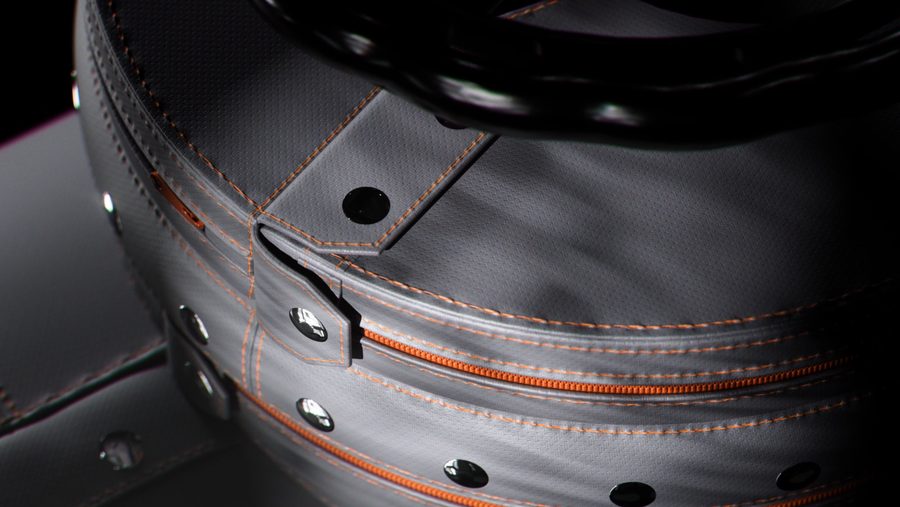
Inzonex removable modular insulation on industrial equipment
Cut the tonnes at the source

Hot industrial equipment? Cut the heat loss.

Boilers, kilns, heat exchangers, valves and steam lines lose energy continuously. Inzonex makes patented (UK GB2508992.1) removable modular insulation — snap-fastened covers engineered per temperature tier, not generic off-the-shelf jackets:

  • Up to 90% less heat loss from insulated surfaces
  • Surface temperature ≤45 °C — touch-safe for workers (EN ISO 13732-1)
  • 6× faster maintenance access than fixed cut-and-weld lagging — unclips and refits in minutes, no destruction
  • Inspectable — comes off to check for corrosion under insulation, then refits like-new (generic jackets often don't survive removal)
  • Typical payback under 2 years (some 9–11 months)
Where it applies

Industries where waste heat to power (orc) earns first

FAQ

Waste heat to power (ORC), answered

When does ORC make sense?
Continuous medium-grade waste heat + no thermal user nearby + meaningful power price. Cement kilns and glass furnaces are the classic hosts.
Why is it ranked below heat exchange?
Thermodynamics: exchanging heat keeps ~90% of the energy useful; converting to power keeps 10–20%. Don't generate what you could simply not lose.
Typical size?
0.5–5 MWe modules on cement/glass-scale streams; below ~300 kWe the economics rarely close.
How this page is built: heat-loss figures follow ASTM C680 / ISO 12241 (the method behind our public calculators); facility emissions from Climate TRACE & EU ETS verified data across 30,000+ industrial sites; the 2026–2034 schedule is Regulation (EU) 2023/956, not a forecast. Published by Inzonex — manufacturer of modular removable insulation (UK Patent GB2508992.1). Spotted an error? Tell us — we correct on evidence.
Source: Inzonex Carbon Hub — inzonex.co.uk/carbon · prices dated as shown on each figure · schedule per Regulation (EU) 2023/956 · indicative analytics, not compliance advice.