Inzonex Carbon Hubpowered by inzonex.co.uk
Carbon Hub → Waste heat recovery — the 2026 business case
Energy economics

Waste heat recovery — the 2026 business case

Waste heat was always money; with allowances at €77.4/t it's now two revenue streams. This page is the economics — for the technology-by-temperature guide see heat recovery systems.

The size of the prize

US DOE: 20–50% of industrial energy input becomes waste heat. EU studies (Heat Roadmap Europe) estimate ~300 TWh/yr of recoverable industrial waste heat in Europe alone — roughly the heat demand of 25 million homes. At plant level, audits routinely find 5–15% of fuel recoverable with paybacks under 3 years.

What a recovered MWh is worth in 2026

ComponentValue per MWh recoveredNote
Fuel saving (gas @ ~€40/MWh)≈€40–45every MWh not burned
CO2 saving (0.2 t × €77.4)≈€15at full payable share (2034: 100%)
Total at 2034 rules≈€55–60/MWhvs ≈€40 in the pre-ETS world

Indicative at mid-2026 EU gas prices; your fuel contract sets the exact figure. The point is structural: the carbon term grows every year to 2034 on the official schedule.

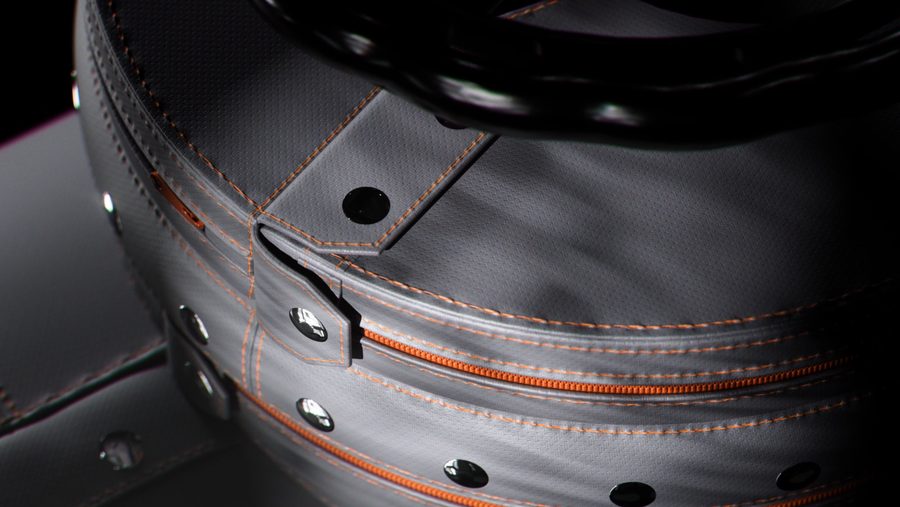
Inzonex removable modular insulation on industrial equipment
Cut the tonnes at the source

Hot industrial equipment? Cut the heat loss.

Boilers, kilns, heat exchangers, valves and steam lines lose energy continuously. Inzonex makes patented (UK GB2508992.1) removable modular insulation — snap-fastened covers engineered per temperature tier, not generic off-the-shelf jackets:

  • Up to 90% less heat loss from insulated surfaces
  • Surface temperature ≤45 °C — touch-safe for workers (EN ISO 13732-1)
  • 6× faster maintenance access than fixed cut-and-weld lagging — unclips and refits in minutes, no destruction
  • Inspectable — comes off to check for corrosion under insulation, then refits like-new (generic jackets often don't survive removal)
  • Typical payback under 2 years (some 9–11 months)

Why projects that failed in 2020 clear hurdle rates now

A recovery project rejected at €20/MWh value in 2020 is worth ≈€55–60/MWh by 2034 rules — the IRR roughly doubles with no engineering change. Finance teams re-screening their old efficiency studies against the 2026–2034 payable-share schedule are finding approved projects in the reject pile.

Order of operations (same as ever)

1) Eliminate losses with insulation (≤€0/t — see Scope 1), 2) recover what process chemistry must reject, 3) upgrade the remainder with heat pumps. Start with the free plant study — it ranks your equipment by recoverable loss.

FAQ

Questions on this topic

How much waste heat can be recovered in industry?
Audits typically find 5–15% of fuel recoverable with sub-3-year paybacks; the technical potential is larger (US DOE: 20–50% of input energy is rejected as heat across temperature bands).
What is waste heat recovery worth per MWh?
At mid-2026 EU prices: ≈€40–45 of fuel plus ≈€15 of avoided CO2 allowances per MWh of gas heat (0.2 t/MWh × €77.4) — the carbon term phases in to 100% by 2034.
Does the carbon price really change project economics?
Yes — it adds a second, legislated revenue stream that grows to 2034. Efficiency projects screened before 2021 are systematically undervalued at today's prices.
What's the difference between this page and heat recovery systems?
This page covers potential and economics; the heat-recovery-systems guide covers technology selection by temperature band (economizers, recuperators, heat pumps, ORC).
Source: Inzonex Carbon Hub — inzonex.co.uk/carbon · prices dated as shown on each figure · schedule per Regulation (EU) 2023/956 · indicative analytics, not compliance advice.