Inzonex Carbon Hubpowered by inzonex.co.uk
Carbon Hub → Heat recovery systems — the engineer's guide
Engineering

Heat recovery systems — the engineer's guide

20–50% of industrial energy input ends up as waste heat (US DOE). With gas prices plus CO2 at €77.4/t, every recovered MWh now pays twice. Here's how to match the technology to the temperature.

Where the heat is (by temperature band)

BandTypical sourcesRecovery technologyUse
High >400 °Cfurnace & kiln exhaust, turbine exhaustrecuperators, regenerators, waste-heat boilers / HRSGsteam or power (Rankine)
Medium 100–400 °Cboiler flue gas, exhausts, compressed-air heateconomizers, air preheaters, thermal-oil loopsfeedwater/air preheat, process heat
Low <100 °Ccooling water, condensate, wash-down, flash steamheat pumps, condensing economizers, heat exchangershot water, space heat, CIP — heat pumps upgrade to 100–160 °C

Reference: US DOE — Waste Heat Recovery — the canonical source on the 20–50% figure and band-by-band potential.

What recovery is typically worth

Boiler economizer (flue gas → feedwater) · payback 1–3 yr+3–6% boiler efficiency
Air preheater+2–5%
Condensate & flash-steam return · often <1 yrup to 10% of steam cost
High-temp heat pump (low-grade → process) · gas-price dependentCOP 2.5–4
ORC power from medium-grade heat · capex-heavy5–20% to electricity

Carbon math: 1 MWh of recovered gas heat ≈0.2 t CO2 avoided ≈ €15 of allowances on top of the fuel saving — at the 2034 payable share, that's pure margin.

Inzonex removable modular insulation on industrial equipment
Cut the tonnes at the source

Hot industrial equipment? Cut the heat loss.

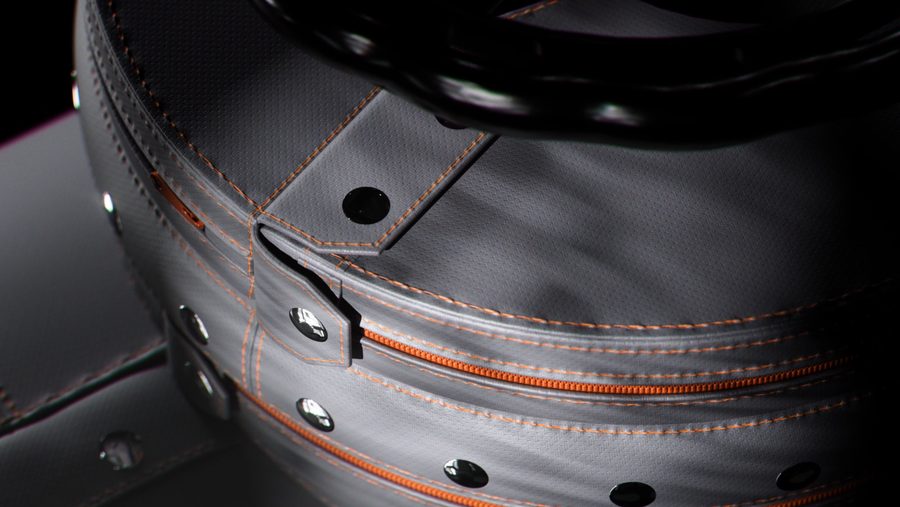
Boilers, kilns, heat exchangers, valves and steam lines lose energy continuously. Inzonex makes patented (UK GB2508992.1) removable modular insulation — snap-fastened covers engineered per temperature tier, not generic off-the-shelf jackets:

  • Up to 90% less heat loss from insulated surfaces
  • Surface temperature ≤45 °C — touch-safe for workers (EN ISO 13732-1)
  • 6× faster maintenance access than fixed cut-and-weld lagging — unclips and refits in minutes, no destruction
  • Inspectable — comes off to check for corrosion under insulation, then refits like-new (generic jackets often don't survive removal)
  • Typical payback under 2 years (some 9–11 months)

First law of heat recovery: stop losing it first

Recovering heat you didn't need to lose is the expensive way round. Bare or badly-lagged valves, flanges and vessels radiate heat you paid for: a single uninsulated DN150 steam valve at 180 °C loses ≈1.5 kW — ≈13 MWh and ≈2.6 t CO2 a year, each. Insulation eliminates that loss at the source for a fraction of any recovery system's capex — which is why every serious heat-recovery audit starts with an insulation survey. Check your losses by pipe size or run the whole-plant study.

Sequencing a heat-recovery project

  1. Insulate — eliminate standing losses (cheapest tonnes, no engineering risk).
  2. Meter — map remaining streams by temperature and schedule coincidence.
  3. Match — recover into a demand that exists when the heat does (preheat is safest).
  4. Upgrade — heat pumps/ORC only for what direct exchange can't use.
FAQ

Questions on this topic

What is a heat recovery system?
Equipment that captures heat otherwise lost — from flue gases, exhausts, cooling water or condensate — and returns it to a useful duty: feedwater or combustion-air preheat, process heat, hot water or electricity.
How much waste heat does industry lose?
US DOE estimates 20–50% of industrial energy input is ultimately rejected as waste heat; a large share of the medium- and low-grade portion is technically recoverable.
What is the payback of an economizer?
Typically 1–3 years on gas boilers: flue-gas heat to feedwater adds 3–6 percentage points of boiler efficiency. Condensing economizers do better where return temperatures allow.
Heat pump or heat exchanger?
Direct exchange is always cheaper where temperatures line up. Heat pumps earn their capex when you must LIFT low-grade heat (30–80 °C) to process level (100–160 °C) — modern industrial units reach COP 2.5–4.
Why insulate before recovering heat?
Insulation removes the loss for ~10× less capital than recovering the same energy downstream, with zero process risk — every kW not lost shrinks the recovery system you need.
Source: Inzonex Carbon Hub — inzonex.co.uk/carbon · prices dated as shown on each figure · schedule per Regulation (EU) 2023/956 · indicative analytics, not compliance advice.