
Set the boundary first. Collect site evidence before selecting a measure or reporting a result.
Separate alumina, electrolysis, anode production, casting, recycling and purchased electricity. State whether the product is primary or secondary aluminium.
Metal input, anode and process data, electricity, furnace fuels, production, casting losses, perfluorocarbon records and electricity factors for the reporting period.
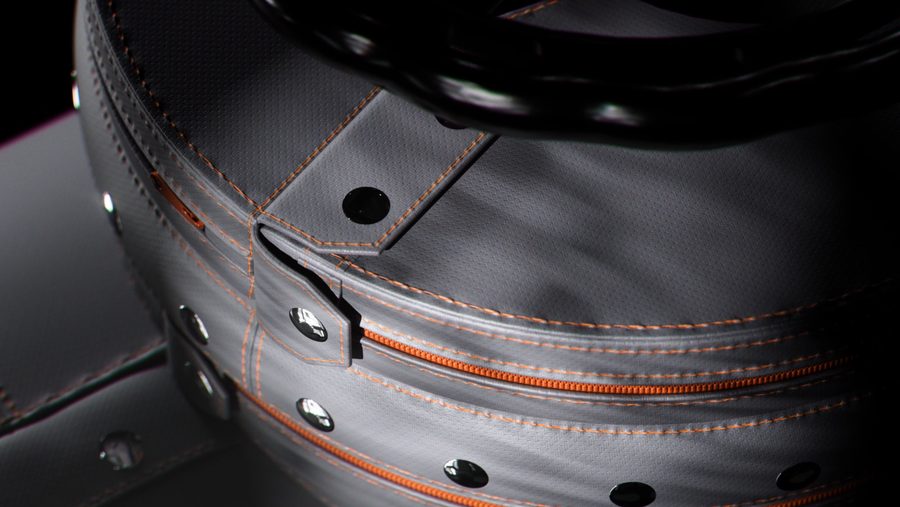
Use measured surface area, temperature and operating hours to calculate heat loss from boilers, kilns, heat exchangers, valves and pipework. Inzonex supplies removable modular insulation for equipment that requires maintenance access.
Do not add a calculated reduction to an emissions report until the reporting boundary, factor, implementation date and verification method have been approved.
Do not combine direct process changes, electricity procurement and recycling into one assumed reduction. Assess each boundary separately.
Review anode-bake and casthouse services, holding-furnace auxiliaries and boiler-house equipment where the hot boundary is accessible.
International Energy Agency: Aluminium
This page does not assign a sector benchmark, standard saving, cost or payback. Use current site data, record the calculation method and obtain the required technical and compliance review.