
Review the data status and reporting boundary before using a facility estimate or carbon-price input.
| Facility | Modelled sector | Estimated t CO2, 2023 |
|---|---|---|
| SABIC Hadeed Al Jubail steel plant | Not stated | 3,619,273 |
| Al Nabah Cement Plant | Not stated | 3,461,521 |
| Arabian Petrochemical Co. (Petrokemya South), Al Jubail, | Not stated | 3,074,886 |
| Ahad Al Masarihah Cement Plant | Not stated | 2,787,252 |
| Al Ardiyat Cement Plant | Not stated | 2,744,703 |
Source: Climate TRACE modelled estimates for 2023. These are not verified declarations, regulatory returns or current emissions. Check the facility identity, boundary, sector and reporting year before use.
This page does not state that a national tax or emissions-trading system applies. It does not assign a zero price where no reviewed record is available.
World Bank Carbon Pricing Dashboard
Confirm the current instrument, covered entity, reporting year, allowance treatment and responsible authority using the applicable official source.
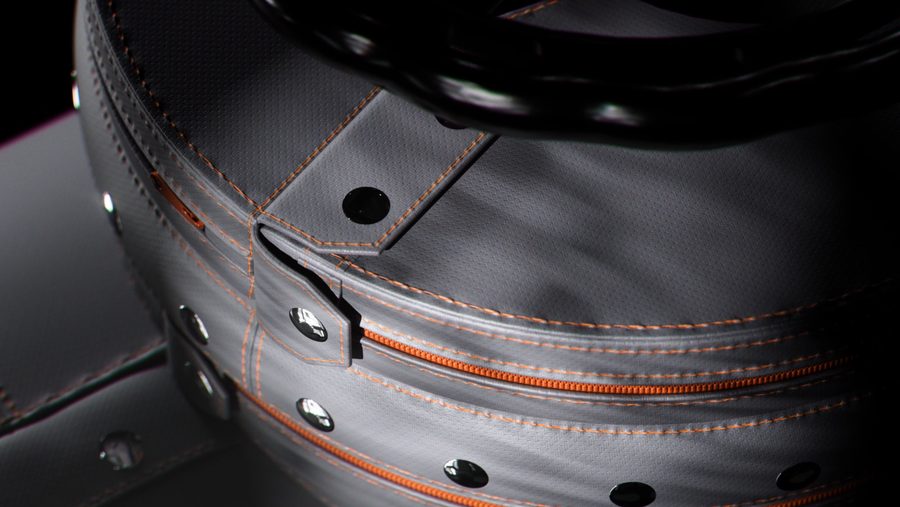
Use measured surface area, temperature and operating hours to calculate heat loss from boilers, kilns, heat exchangers, valves and pipework. Inzonex supplies removable modular insulation for equipment that requires maintenance access.
Do not add a calculated reduction to an emissions report until the reporting boundary, factor, implementation date and verification method have been approved.
Do not multiply total modelled facility emissions by a carbon price and describe the result as a tax, allowance obligation or CBAM liability.
Use measured geometry, surface temperature, ambient conditions, operating hours and the actual insulation boundary in the heat-loss calculator.
No standard country or site saving is assigned.