Inzonex Carbon Hubpowered by inzonex.co.uk
Carbon Hub → CBAM — the complete guide (2026)
Guide

CBAM — the complete guide (2026)

The EU now prices the CO2 embedded in imports. If you sell cement, iron & steel, aluminium, fertilizers, hydrogen or electricity into the EU, this is your carbon price — €75.36/t in Q1 2026, on a share of emissions that rises every year.

What CBAM is

The Carbon Border Adjustment Mechanism (Regulation (EU) 2023/956) makes EU importers buy CBAM certificates for the embedded emissions of covered goods. The certificate price tracks the weekly EU ETS auction average — €75.36/t for Q1 2026 (official European Commission figure). Purpose: a tonne of CO2 in imported steel costs the same as in EU-made steel, so production can't simply move to where carbon is free.

Covered sectors

Scope covers direct emissions; for cement and fertilizers also indirect (electricity) emissions. An extension review (chemicals, polymers, downstream goods) is scheduled before 2030.

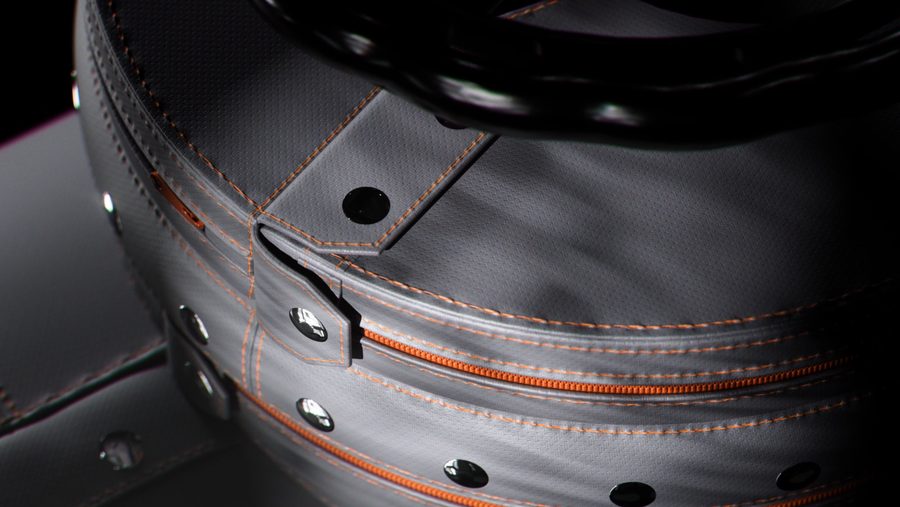
Inzonex removable modular insulation on industrial equipment
Cut the tonnes at the source

Hot industrial equipment? Cut the heat loss.

Boilers, kilns, heat exchangers, valves and steam lines lose energy continuously. Inzonex makes patented (UK GB2508992.1) removable modular insulation — snap-fastened covers engineered per temperature tier, not generic off-the-shelf jackets:

  • Up to 90% less heat loss from insulated surfaces
  • Surface temperature ≤45 °C — touch-safe for workers (EN ISO 13732-1)
  • 6× faster maintenance access than fixed cut-and-weld lagging — unclips and refits in minutes, no destruction
  • Inspectable — comes off to check for corrosion under insulation, then refits like-new (generic jackets often don't survive removal)
  • Typical payback under 2 years (some 9–11 months)

The phase-in table (this is the squeeze)

YearShare you pay (CBAM / payable)Free allocation left (EU industry)
20262.5%97.5%
20275.0%95.0%
202810.0%90.0%
202922.5%77.5%
203048.5%51.5%
203161.0%39.0%
203273.5%26.5%
203386.0%14.0%
2034100.0%0.0%

One schedule drives both sides: as EU plants lose free allocation, importers pay CBAM on the same growing share. Source: Reg. (EU) 2023/956.

How the bill is calculated

Certificates = embedded emissions (t CO2/t product) × volume exported × phase-in share. Cost = certificates × price.

Embedded emissions come from your actual, verified production data — or, if you don't report them, from default values set per country/product by the Commission (deliberately conservative, often worse than your real number — reporting usually pays off). Example: 100,000 t of steel at 1.9 t CO2/t exported in 2030 → 190,000 t × 48.5% × €75.36 ≈ €6.9M.

What exporters should do now

  1. Measure — get plant-level MRV-grade Scope 1 emissions per tonne of product (default values punish you otherwise).
  2. Cut the easy tonnes — energy-efficiency measures (heat-loss elimination, waste-heat recovery) reduce embedded emissions directly and usually pay back in under 2 years.
  3. Model the ramp — budget 2026→2034 with the phase-in table, not today's 2.5%.
  4. Watch your domestic price — a carbon price paid at home is deducted from CBAM (Türkiye is building an ETS for exactly this reason).
FAQ

Questions on this topic

What is the CBAM certificate price now?
€75.36/t CO2 — the official European Commission price for Q1 2026, set from weekly EU ETS auction averages. It moves with the EU carbon market (EUA ≈ €77.4 on 11 Jun 2026).
When does CBAM start costing real money?
Financial obligations begin in 2026 at 2.5% of embedded emissions, but the share roughly doubles every two years: 10% in 2028, 48.5% in 2030, 100% in 2034. The cash impact in 2030 is ~19× the 2026 level at a constant price.
Can I avoid CBAM by using default values?
No — defaults are the fallback when you don't report verified data, and they are set conservatively per country. Reporting your real (usually lower) embedded emissions is normally the cheapest compliance route.
Does a domestic carbon price reduce CBAM?
Yes. A carbon price effectively paid in the country of origin is deducted from the CBAM bill. That's why exporters in countries with no carbon price (the Gulf, Egypt) face the full EU price.
Which countries are hit hardest?
By exposed volume: Türkiye, China, India, Russia (sanctioned trade aside), the UK (until linkage), UAE, Saudi Arabia and Egypt for aluminium, steel, cement and fertilizers.
Source: Inzonex Carbon Hub — inzonex.co.uk/carbon · prices dated as shown on each figure · schedule per Regulation (EU) 2023/956 · indicative analytics, not compliance advice.