Inzonex Carbon Hubpowered by inzonex.co.uk
European Union · border

The CBAM declaration — the filing that prices your imports

From 1 January 2026 CBAM is definitive: EU importers of cement, iron & steel, aluminium, fertilizers, hydrogen and electricity must be authorised CBAM declarants, buy certificates at the ETS-linked price (€75.36/t, Q1 2026 official) and file an annual declaration. If you EXPORT to the EU, your customer files it — with your data, or punitive defaults.

Who must file

The EU importer (or indirect customs representative) — registered as an authorised CBAM declarant. The 2025 simplification package added a 50 t/year de-minimis per importer (mass-based, covering ~90% of importers but ~1% of embedded emissions): below it, no declaration. Producers outside the EU never file — but their plant-level emissions data decides their customer's bill.

What the annual declaration contains

ElementDetail
Imported quantitiesper CN code, per origin
Embedded emissionsdirect (+ indirect for cement/fertilizers), from verified producer data or default values
Carbon price paid abroaddeducted if effectively paid in the origin country
Certificates surrenderedcovering the phase-in share of embedded emissions

Declaration for year N is filed the following year; certificates are bought through the CBAM registry at prices set from weekly EU ETS auction averages. Source: Regulation (EU) 2023/956 + implementing acts.

Inzonex removable modular insulation on industrial equipment
Cut the tonnes at the source

Hot industrial equipment? Cut the heat loss.

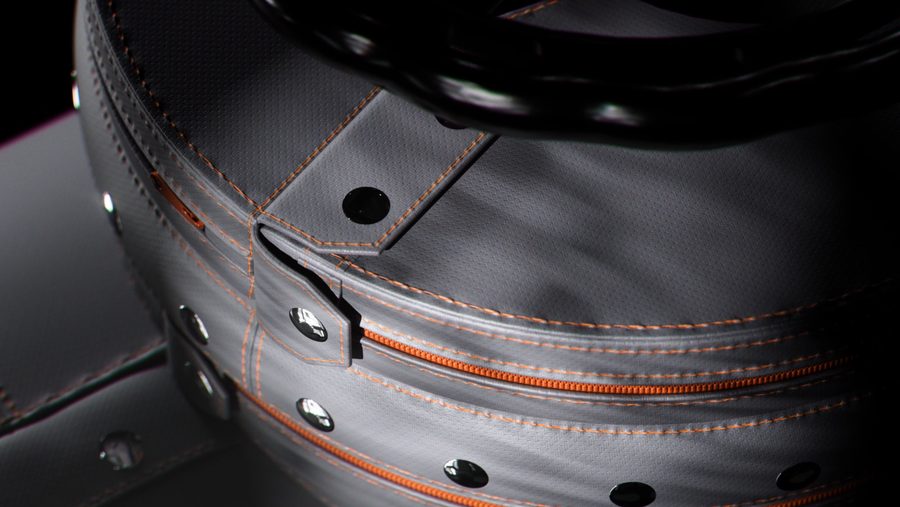
Boilers, kilns, heat exchangers, valves and steam lines lose energy continuously. Inzonex makes patented (UK GB2508992.1) removable modular insulation — snap-fastened covers engineered per temperature tier, not generic off-the-shelf jackets:

  • Up to 90% less heat loss from insulated surfaces
  • Surface temperature ≤45 °C — touch-safe for workers (EN ISO 13732-1)
  • 6× faster maintenance access than fixed cut-and-weld lagging — unclips and refits in minutes, no destruction
  • Inspectable — comes off to check for corrosion under insulation, then refits like-new (generic jackets often don't survive removal)
  • Typical payback under 2 years (some 9–11 months)

The share you pay — same cliff, border edition

YearShare of embedded emissions requiring certificates
20262.5%
20275.0%
202810.0%
202922.5%
203048.5%
203161.0%
203273.5%
203386.0%
2034100.0%

Full mechanics with a steel example: embedded emissions → · the import-side maths: CBAM calculator →

Exporters: your data is the product now

Default values are set deliberately conservative per country. A producer who can hand the importer verified plant-level embedded emissions — lower than defaults — is selling a cheaper product without touching the price. That makes two things commercial assets: an MRV-grade Scope-1 inventory, and every efficiency measure that cuts the number. A heat-loss programme that removes 2–5% of fuel-related CO2 flows directly into the t CO2/t product your customer declares — format the saving →

FAQ

Questions on this topic

When is the first CBAM declaration due?
For 2026 imports, in 2027 (the transitional quarterly reports ran 2023–2025). Authorisation as CBAM declarant and certificate purchasing run during 2026.
What is the CBAM de-minimis threshold?
A 50 tonne per year mass threshold per importer, introduced by the 2025 simplification (Omnibus) package — exempting most small importers while keeping ~99% of embedded emissions covered.
Can a foreign producer file CBAM instead of the importer?
No — the declarant is the EU importer or indirect customs representative. The producer's role is supplying verified emissions data through the CBAM registry's installation section.
Is electricity really in CBAM?
Yes — imported electricity is a CBAM good. For industrial importers the practical exposure is via cement and fertilizers, where specified indirect (electricity) emissions also count.
How this page is built: framework facts cite the legal text or official guidance named in each section (SECR: Companies (Directors' Report) Regulations 2018; ESOS: Energy Savings Opportunity Scheme Regulations; CBAM: Regulation (EU) 2023/956; CSRD/ESRS: Delegated Regulation (EU) 2023/2772). Savings figures follow ASTM C680 / ISO 12241 — the method behind our public calculators. Published by Inzonex — manufacturer of modular removable insulation (UK Patent GB2508992.1). This is practical guidance, not legal advice. Spotted an error? Tell us.
Source: Inzonex Carbon Hub — inzonex.co.uk/carbon · prices dated as shown on each figure · schedule per Regulation (EU) 2023/956 · indicative analytics, not compliance advice.