Inzonex Carbon Hubpowered by inzonex.co.uk
Carbon Hub → Embedded emissions: the number your exports are judged by
CBAM mechanics

Embedded emissions: the number your exports are judged by

CBAM doesn't price your plant — it prices the CO2 «embedded» in each tonne you ship. Here's the calculation the EU expects, step by step.

Definition & boundaries

Embedded emissions = direct emissions of the production process per tonne of good, plus (for cement and fertilizers) relevant indirect emissions from consumed electricity, plus the embedded emissions of listed PRECURSORS (e.g. the pig iron in your rolled steel, the clinker in your cement). System boundary and attribution rules follow the CBAM Implementing Regulation — close cousin of EU ETS MRV.

The calculation, step by step

  1. Map processes — define the production process(es) for the CN-coded good.
  2. Measure activity data — fuels, process inputs, electricity per process (meters/invoices).
  3. Apply factors — fuel emission factors (IPCC/national), electricity factor for indirect where counted.
  4. Add precursors — multiply consumed precursor tonnage by ITS embedded intensity (supplier data or defaults).
  5. Attribute & divide — allocate emissions to the good, divide by tonnes produced → t CO2e/t.
  6. Verify — accredited verifier for the definitive period.
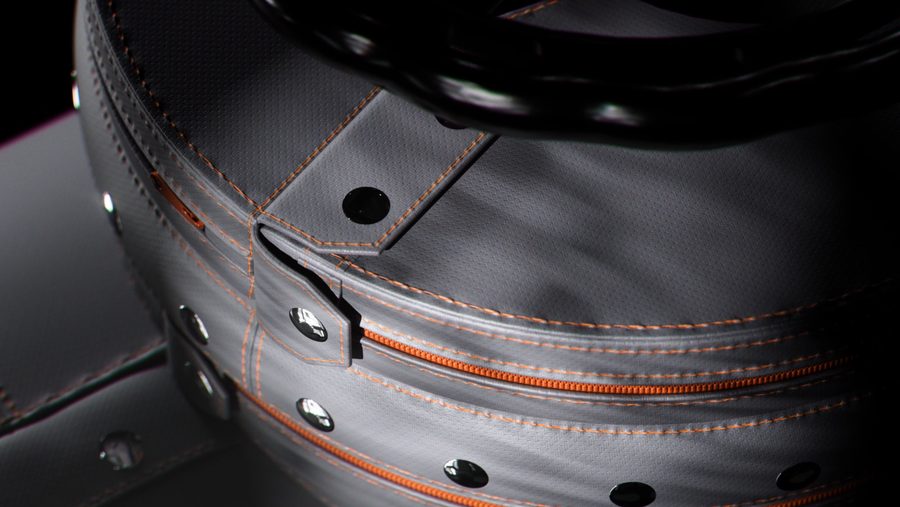
Inzonex removable modular insulation on industrial equipment
Cut the tonnes at the source

Hot industrial equipment? Cut the heat loss.

Boilers, kilns, heat exchangers, valves and steam lines lose energy continuously. Inzonex makes patented (UK GB2508992.1) removable modular insulation — snap-fastened covers engineered per temperature tier, not generic off-the-shelf jackets:

  • Up to 90% less heat loss from insulated surfaces
  • Surface temperature ≤45 °C — touch-safe for workers (EN ISO 13732-1)
  • 6× faster maintenance access than fixed cut-and-weld lagging — unclips and refits in minutes, no destruction
  • Inspectable — comes off to check for corrosion under insulation, then refits like-new (generic jackets often don't survive removal)
  • Typical payback under 2 years (some 9–11 months)

Worked example — rolled steel

ComponentIntensityNote
Blast furnace + BOF direct1.70 t/tfuels + process
Purchased pellets/pig iron precursor+0.15 t/tsupplier's embedded value
Rolling-mill fuel+0.05 t/t
TOTAL embedded1.90 t CO2/t× phase-in × €75.36 at the border

Illustrative split of a typical ≈1.9 t/t integrated route. At 48.5% (2030) and €75.36: ≈€69 per tonne of steel — which is why a 0.1 t/t efficiency improvement is worth ≈€3.7/t of product at the border.

FAQ

Questions

What are embedded emissions?
The CO2e attributed to producing one tonne of a good — direct process emissions plus counted indirect electricity (cement, fertilizers) plus the embedded emissions of precursors — calculated under CBAM's MRV-style rules.
Do embedded emissions include electricity?
For cement and fertilizers, yes (indirect emissions count); for iron & steel, aluminium and hydrogen the definitive regime currently counts direct + precursors, with indirect treatment defined in the implementing acts — check the current text for your CN code.
What are precursors in CBAM?
Listed input materials whose own embedded emissions must be added — e.g. clinker in cement, pig iron/DRI in steel, anodes in aluminium. Supplier data or defaults apply.
How do I reduce embedded emissions fastest?
Cut process fuel per tonne: heat-loss elimination, waste-heat recovery and yield improvements lower the verified intensity itself — every 0.1 t/t is ≈€7.5/t of product at full CBAM price.
How this page is built: heat-loss figures follow ASTM C680 / ISO 12241 (the method behind our public calculators); facility emissions from Climate TRACE & EU ETS verified data across 30,000+ industrial sites; the 2026–2034 schedule is Regulation (EU) 2023/956, not a forecast. Published by Inzonex — manufacturer of modular removable insulation (UK Patent GB2508992.1). Spotted an error? Tell us — we correct on evidence.
Source: Inzonex Carbon Hub — inzonex.co.uk/carbon · prices dated as shown on each figure · schedule per Regulation (EU) 2023/956 · indicative analytics, not compliance advice.