
The phase 4 qualification date is 31 December 2026. The compliance notification deadline is 5 December 2027.
Apply the current large-undertaking and corporate-group tests using the position at the qualification date.
Record buildings, industrial processes, transport and other energy uses. Follow the current guidance for the significant-energy-consumption threshold.
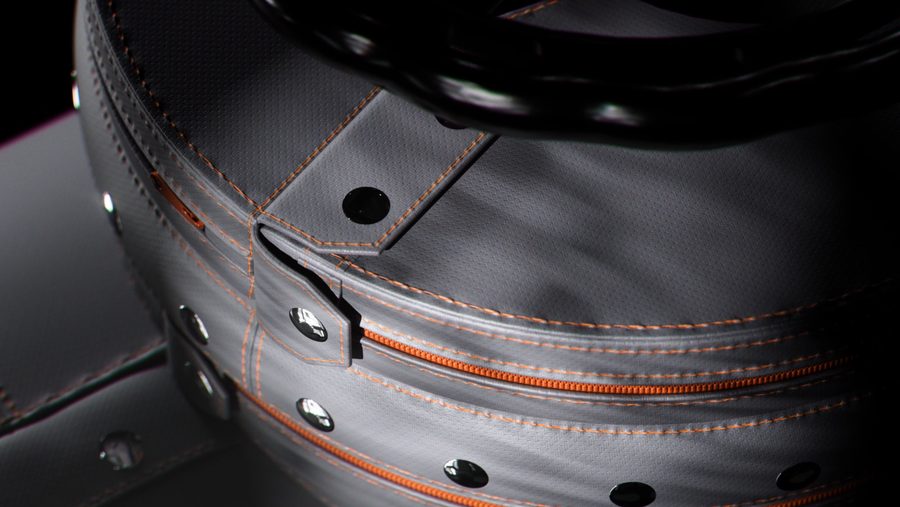
Use measured surface area, temperature and operating hours to calculate heat loss from boilers, kilns, heat exchangers, valves and pipework. Inzonex supplies removable modular insulation for equipment that requires maintenance access.
Do not add a calculated reduction to an emissions report until the reporting boundary, factor, implementation date and verification method have been approved.
Document the energy-audit and ISO 50001 coverage used. Check the current conditions for lead-assessor and report requirements.
Retain consumption data, audit scope, site visits, opportunities, action-plan review, approvals and the submitted notification.
This page does not confirm qualification, compliance or the acceptability of an audit route for a participant.