
Compare the system boundary, evidence and constraints. The page does not assign a universal winner.
| Check | Clinker substitution | Carbon capture and storage |
|---|---|---|
| System change | Reduce the clinker content of cement using suitable supplementary materials and an approved product specification. | Separate carbon dioxide from a process or combustion stream, condition it, transport it and store it under an approved system. |
| Evidence required | Clinker factor, material availability and quality, cement standard, strength and durability tests, production energy and market acceptance. | Stream flow and composition, capture rate, energy demand, transport route, storage availability, monitoring and regulatory approvals. |
| Principal constraint | The permissible composition and performance depend on the product standard and intended use. | Capture percentage is not the same as net lifecycle reduction. Include additional energy and the full chain. |
| Technical source | International Energy Agency cement overview | International Energy Agency CCUS overview |
Select a measure only after a site-specific energy balance, cost estimate, operational review and verification plan.
Read Clinker substitution · Read Carbon capture and storage
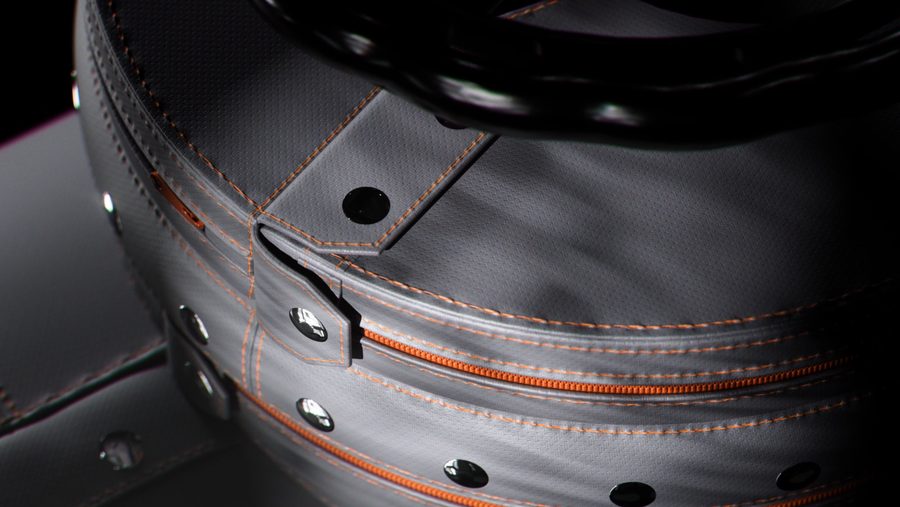
Use measured surface area, temperature and operating hours to calculate heat loss from boilers, kilns, heat exchangers, valves and pipework. Inzonex supplies removable modular insulation for equipment that requires maintenance access.
Do not add a calculated reduction to an emissions report until the reporting boundary, factor, implementation date and verification method have been approved.