Inzonex Carbon Hubpowered by inzonex.co.uk
Carbon HubMeasures → Carbon capture & storage (CCS)
Reduction measure

Carbon capture & storage (CCS)

Capturing CO2 from flue or process gas and storing it geologically — the only answer for process chemistry (cement calcination, lime) and the most expensive per tonne for everything else.

The numbers

Cost, effect, payback

MetricValueNote
Abatement cost≈€60–140/t CO2
Addresses50–95% of a streamof relevant emissions
Typical payback>10 yr, policy-dependent
Carbon value at full price€77.4/t avoidedEUA 11 Jun 2026
How it works

Mechanism & sizing

Post-combustion amine on dilute flue gas = the costly default; concentrated streams (SMR, oxyfuel, fermentation) capture far cheaper. Transport & storage availability decides feasibility as much as capture capex. Sequencing rule: CCS sized AFTER efficiency — every tonne you stop emitting is capture capex you skip.

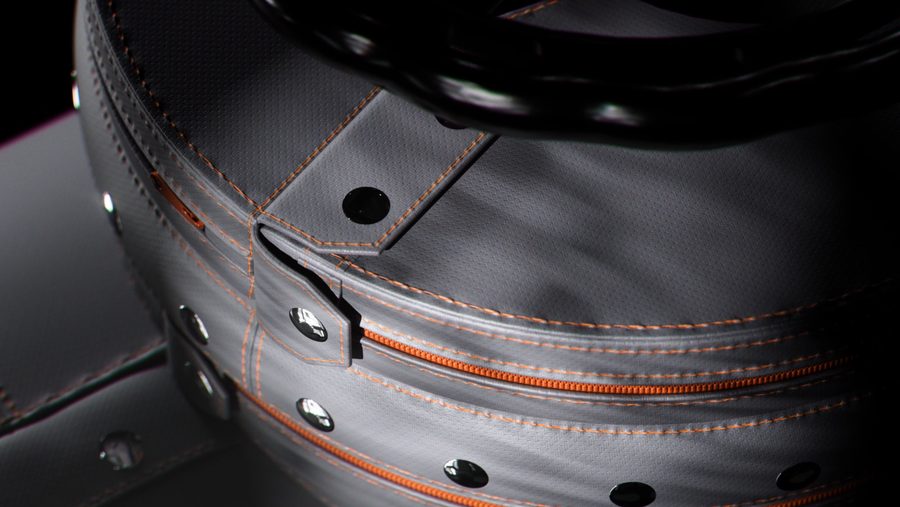
Inzonex removable modular insulation on industrial equipment
Cut the tonnes at the source

Hot industrial equipment? Cut the heat loss.

Boilers, kilns, heat exchangers, valves and steam lines lose energy continuously. Inzonex makes patented (UK GB2508992.1) removable modular insulation — snap-fastened covers engineered per temperature tier, not generic off-the-shelf jackets:

  • Up to 90% less heat loss from insulated surfaces
  • Surface temperature ≤45 °C — touch-safe for workers (EN ISO 13732-1)
  • 6× faster maintenance access than fixed cut-and-weld lagging — unclips and refits in minutes, no destruction
  • Inspectable — comes off to check for corrosion under insulation, then refits like-new (generic jackets often don't survive removal)
  • Typical payback under 2 years (some 9–11 months)
Where it applies

Industries where carbon capture & storage (ccs) earns first

FAQ

Carbon capture & storage (CCS), answered

What does CCS cost per tonne?
€60–140+ all-in for dilute flue gas; €25–60 for concentrated streams. Against €77 allowances, concentrated-source capture already pencils in places.
Who actually needs CCS?
Process-emission industries — cement/lime chemistry can't be efficiency'd away. Heat-driven sectors mostly have cheaper routes.
Why efficiency before CCS?
Capture plant is sized in t/h: cutting losses first shrinks the most expensive machine you'll ever buy.
How this page is built: heat-loss figures follow ASTM C680 / ISO 12241 (the method behind our public calculators); facility emissions from Climate TRACE & EU ETS verified data across 30,000+ industrial sites; the 2026–2034 schedule is Regulation (EU) 2023/956, not a forecast. Published by Inzonex — manufacturer of modular removable insulation (UK Patent GB2508992.1). Spotted an error? Tell us — we correct on evidence.
Source: Inzonex Carbon Hub — inzonex.co.uk/carbon · prices dated as shown on each figure · schedule per Regulation (EU) 2023/956 · indicative analytics, not compliance advice.