
Reduce the clinker content of cement using suitable supplementary materials and an approved product specification.
Reduce the clinker content of cement using suitable supplementary materials and an approved product specification.
Clinker factor, material availability and quality, cement standard, strength and durability tests, production energy and market acceptance.
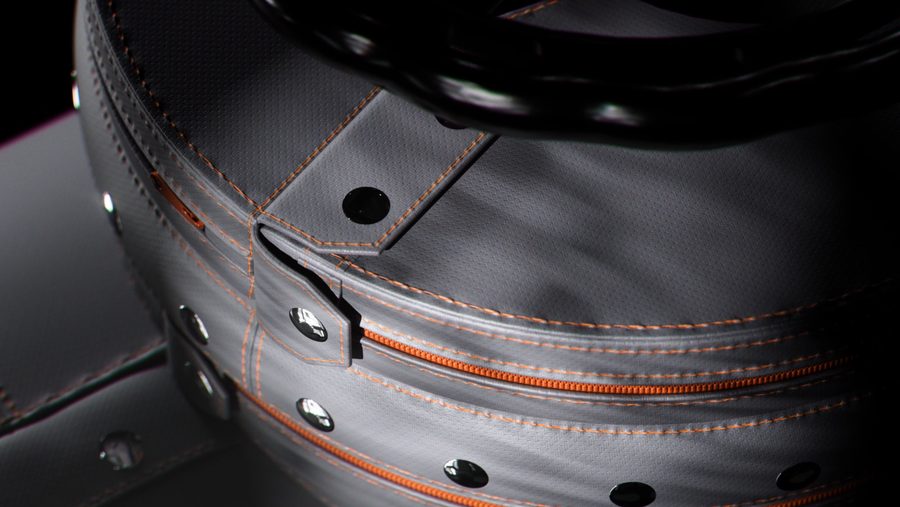
Use measured surface area, temperature and operating hours to calculate heat loss from boilers, kilns, heat exchangers, valves and pipework. Inzonex supplies removable modular insulation for equipment that requires maintenance access.
Do not add a calculated reduction to an emissions report until the reporting boundary, factor, implementation date and verification method have been approved.
The permissible composition and performance depend on the product standard and intended use.
Sector membership does not establish feasibility. Confirm the actual process duty.
International Energy Agency cement overview
No standard saving, cost or payback is assigned. Calculate the result from the site baseline and retain the source data and review status.