Inzonex Carbon Hubpowered by inzonex.co.uk
Carbon Hub → ISO 50001 vs ISO 14001 — the practical comparison
Standards

ISO 50001 vs ISO 14001 — the practical comparison

Both are PDCA management systems with the same high-level structure — but they optimise different things. The choice is about which number you need to move first.

Side by side

ISO 50001ISO 14001
Optimisesenergy performance (kWh, measurable)environmental aspects (broad)
Core artefactEnPIs vs baseline + energy reviewaspect register + compliance
Direct cost impactfuel & carbon bill ↓ (DOE cohorts ≈5.6%/yr)risk & permit posture
Carbon-bill linkdirect: kWh = Scope 1/2 = €indirect
EED Art. 8 audit waiver (EU)yes — certified EnMS satisfies itno (energy not covered)
Integrationbolts onto 9001/14001 (Annex SL)same

Which first?

Energy-intensive sites (food, chemicals, metals, paper): 50001 first — it pays for itself via the action list and waives the EU audit obligation. Compliance-driven or low-energy sites: 14001 first. Most large plants end with both under one integrated system; the audit overlap makes the second certificate ~30-40% cheaper than the first.

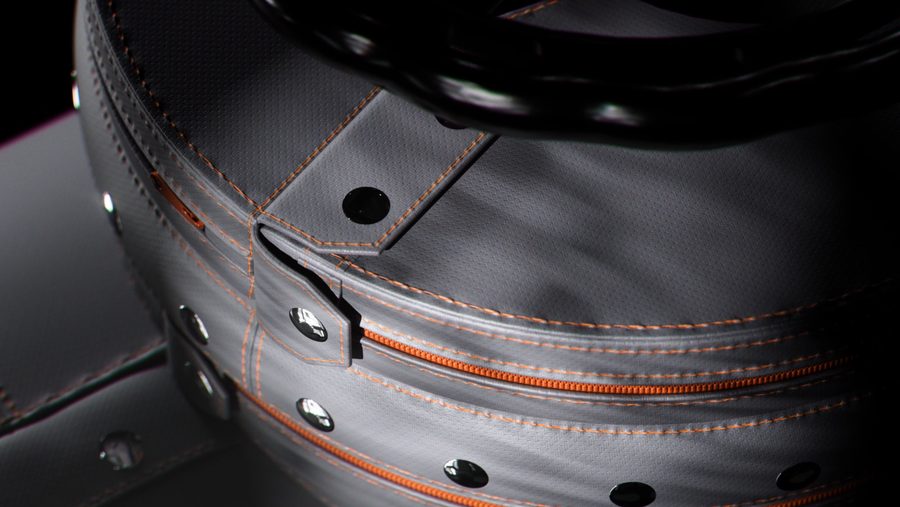
Inzonex removable modular insulation on industrial equipment
Cut the tonnes at the source

Hot industrial equipment? Cut the heat loss.

Boilers, kilns, heat exchangers, valves and steam lines lose energy continuously. Inzonex makes patented (UK GB2508992.1) removable modular insulation — snap-fastened covers engineered per temperature tier, not generic off-the-shelf jackets:

  • Up to 90% less heat loss from insulated surfaces
  • Surface temperature ≤45 °C — touch-safe for workers (EN ISO 13732-1)
  • 6× faster maintenance access than fixed cut-and-weld lagging — unclips and refits in minutes, no destruction
  • Inspectable — comes off to check for corrosion under insulation, then refits like-new (generic jackets often don't survive removal)
  • Typical payback under 2 years (some 9–11 months)

The carbon decade tilts it

With allowances at €77.4 and free allocation ending 2034, the standard that systematically finds kWh is the one that moves the P&L — see the full ISO 50001 guide and the measures it will rank.

FAQ

Questions

What is the difference between ISO 50001 and ISO 14001?
50001 manages ENERGY performance with measurable EnPIs against a baseline; 14001 manages environmental aspects broadly (waste, water, compliance). Same PDCA skeleton, different optimisation target.
Can ISO 50001 replace an energy audit?
In most EU states a certified ISO 50001 EnMS satisfies the EED Article 8 mandatory-audit obligation — one of its concrete compliance payoffs. ISO 14001 does not.
Do I need both certifications?
Energy-intensive plants usually end with both, integrated: shared documentation and combined audits cut the marginal cost substantially.
Which saves more money?
50001 — directly: measured programmes report ~5.6% average annual energy-performance improvement (US DOE cohorts), which is fuel and carbon off the bill. 14001's value is risk and licence-to-operate.
How this page is built: heat-loss figures follow ASTM C680 / ISO 12241 (the method behind our public calculators); facility emissions from Climate TRACE & EU ETS verified data across 30,000+ industrial sites; the 2026–2034 schedule is Regulation (EU) 2023/956, not a forecast. Published by Inzonex — manufacturer of modular removable insulation (UK Patent GB2508992.1). Spotted an error? Tell us — we correct on evidence.
Source: Inzonex Carbon Hub — inzonex.co.uk/carbon · prices dated as shown on each figure · schedule per Regulation (EU) 2023/956 · indicative analytics, not compliance advice.