Inzonex Carbon Hubpowered by inzonex.co.uk
Worked examples

Scope 1 reduction — examples with the math shown

Scope 1 is the fuel you burn, so reducing it is arithmetic, not philosophy. Below: the standard initiatives with worked numbers (method: ASTM C680 + DESNZ 2024 factors, same engine as the free calculator).

Worked example — the insulation line

46 bare valves/flanges ≈ 25 kW of standing heat loss → at 8,000 h/yr and 82% boiler efficiency ≈ 244 MWh fuel → × 0.183 kg CO2e/kWh (gas, DESNZ 2024) ≈ 45 t CO2e of Scope 1, every year ≈ €12,200 of fuel at €0.05/kWh + ≈€3,400 of EUA value. Payback of the covers: typically <2 years.

Generate this for your own kW: Carbon Savings Certificate → What Scope 1 is and how to calculate it from fuel: Scope 1 emissions →

The rest of the Scope-1 menu

InitiativeTypical Scope-1 effectPayback
Steam-trap repaireach failed trap ≈ 1–10 t steam/yr lost<1 yr
Combustion tuning / O2 trim1–3% of boiler fuel<1 yr
Economizer retrofit3–8% of boiler fuel1–3 yr
Condensate return1–5% of steam energy<2 yr
Heat pump on low-grade dutymoves the duty off gas entirely3–7 yr
Electrification / fuel switchstructuralcapital project

Full pathway by industry (cement → brewing): industry reporting profiles → · measure-by-measure economics: 18 measures →

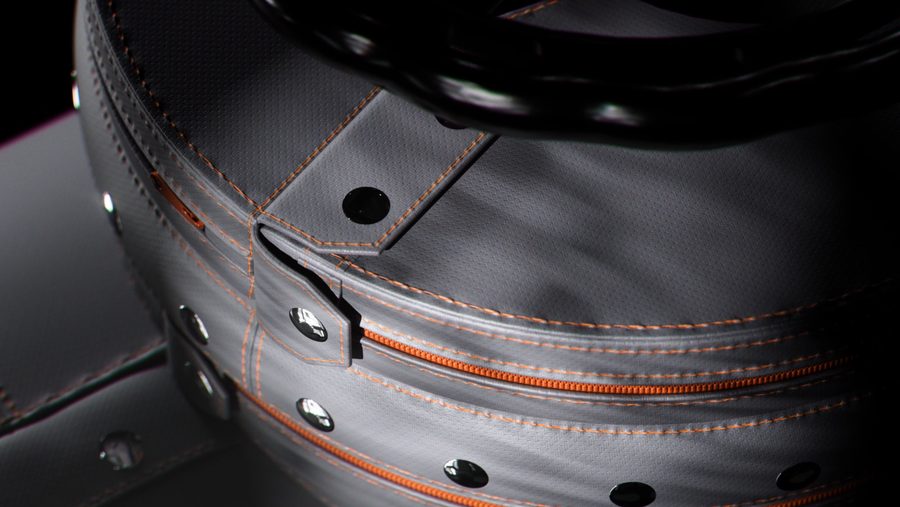
Inzonex removable modular insulation on industrial equipment
Cut the tonnes at the source

Hot industrial equipment? Cut the heat loss.

Boilers, kilns, heat exchangers, valves and steam lines lose energy continuously. Inzonex makes patented (UK GB2508992.1) removable modular insulation — snap-fastened covers engineered per temperature tier, not generic off-the-shelf jackets:

  • Up to 90% less heat loss from insulated surfaces
  • Surface temperature ≤45 °C — touch-safe for workers (EN ISO 13732-1)
  • 6× faster maintenance access than fixed cut-and-weld lagging — unclips and refits in minutes, no destruction
  • Inspectable — comes off to check for corrosion under insulation, then refits like-new (generic jackets often don't survive removal)
  • Typical payback under 2 years (some 9–11 months)
FAQ

Questions on this topic

How can a company reduce Scope 1 emissions? (examples)
Scope 1 is on-site combustion, so the levers are fuel-side: eliminate standing heat losses (bare components — 2–5% of fuel, fastest payback), repair steam traps, tune combustion, recover flue-gas heat, return condensate, then structurally: heat pumps, electrification, fuel switching. Each percent of fuel saved is a percent off Scope 1 — directly, verifiably, against the gas meter.
What is a worked example of a Scope 1 reduction?
From this site's computed tables: insulating 46 bare valves and flanges (≈25 kW of standing loss) on a gas-fired steam system saves ≈244 MWh of fuel and ≈45 t CO2e per year at 8,000 h and 82% boiler efficiency — DESNZ 2024 factors. That single line is a complete SECR/E1-3 entry, and the Carbon Savings Certificate tool reproduces it for any kW figure.
Do Scope 1 reductions also cut costs?
Always — Scope 1 is burned fuel, so every avoided tonne is avoided fuel spend plus, for ETS-exposed sites, ~€77/t of avoided carbon cost. That's why efficiency-led Scope 1 programmes are the rare ESG initiative the CFO sponsors.
How this page is built: framework facts cite the legal text or official guidance named in each section (SECR: Companies (Directors' Report) Regulations 2018; ESOS: Energy Savings Opportunity Scheme Regulations; CBAM: Regulation (EU) 2023/956; CSRD/ESRS: Delegated Regulation (EU) 2023/2772). Savings figures follow ASTM C680 / ISO 12241 — the method behind our public calculators. Published by Inzonex — manufacturer of modular removable insulation (UK Patent GB2508992.1). This is practical guidance, not legal advice. Spotted an error? Tell us.
Source: Inzonex Carbon Hub — inzonex.co.uk/carbon · prices dated as shown on each figure · schedule per Regulation (EU) 2023/956 · indicative analytics, not compliance advice.