Inzonex Carbon Hubpowered by inzonex.co.uk
Carbon HubReporting & Compliance → Pulp & paper
Reporting profile · Pulp & paper

Carbon & ESG reporting for Pulp & paper

The sector burns mostly its own biomass (black liquor, bark) — fossil CO2 comes from lime kilns, gas boilers and dryers. Steam dominates: a paper machine is one long evaporation problem, which makes it heat-pump and heat-recovery country. For the reporting desk that means: which frameworks bite, which KPI to disclose, and which completed measure to show. Here is the pulp & paper profile.

Frameworks in scope

FrameworkApplies to pulp & paper?
EU ETS (if EU site)Yes
CBAM (if exporting to EU)No
SECR (if large UK company)Yes — energy, Scope 1+2, intensity ratio, efficiency actions
ESOS (if large UK undertaking)Yes — audit by 5 Dec 2027 (Phase 4) + public action plan
CSRD / ESRS E1 (if large EU company)Yes — actions (E1-3), targets (E1-4), energy (E1-5), Scope 1-3 (E1-6)
Customer SBTi / CDP requestsSector-independent — arrives with the RFQ

The KPI to report

The intensity ratio your sector benchmarks against: ≈0.3–0.6 t fossil CO2/t (CEPI; biomass-heavy sector). SECR requires an intensity metric of your choice; ESRS E1-5 wants energy per net revenue; CBAM (where in scope) uses exactly t CO2 per tonne of product. Reporting the same physical KPI everywhere keeps the numbers reconcilable — and auditors happy.
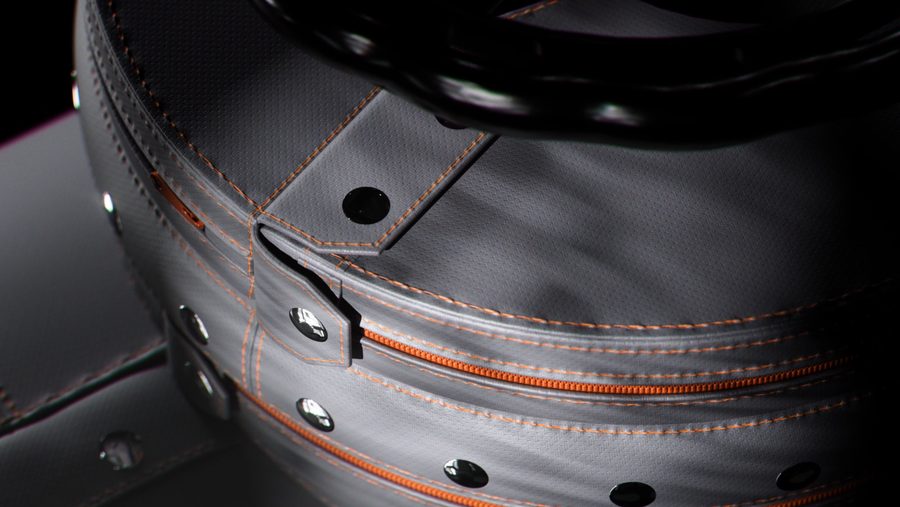
Inzonex removable modular insulation on industrial equipment
Cut the tonnes at the source

Hot industrial equipment? Cut the heat loss.

Boilers, kilns, heat exchangers, valves and steam lines lose energy continuously. Inzonex makes patented (UK GB2508992.1) removable modular insulation — snap-fastened covers engineered per temperature tier, not generic off-the-shelf jackets:

  • Up to 90% less heat loss from insulated surfaces
  • Surface temperature ≤45 °C — touch-safe for workers (EN ISO 13732-1)
  • 6× faster maintenance access than fixed cut-and-weld lagging — unclips and refits in minutes, no destruction
  • Inspectable — comes off to check for corrosion under insulation, then refits like-new (generic jackets often don't survive removal)
  • Typical payback under 2 years (some 9–11 months)

The efficiency line — computed for this sector

~95% of pulp & paper CO2 is fuel-side — the share efficiency measures can touch. Heat-loss surveys typically recover 2–5% of fuel use, i.e. 1.9–4.8% of this sector's total CO2, at sub-2-year payback. Worked example at a 200,000 t paper/yr site (≈90,000 t CO2/yr at the benchmark intensity): an insulation programme is worth 1,710–4,275 t CO2e/yr — a complete, verifiable entry for SECR disclosure 4, an ESOS progress update, ESRS E1-3 and the tender CRP, plus €132,354+ off the carbon bill where ETS/CBAM applies.

Paste-ready disclosure line: "Heat-loss elimination via removable modular insulation across the steam/condensate system (ASTM C680 survey): estimated 1,710–4,275 t CO2e/yr Scope-1 reduction at benchmark production, payback <2 years, metered verification in progress."

Generate exact figures for your own kW finding: Carbon Savings Certificate → · sector decarbonization pathway: Pulp & paper →

FAQ

Questions on this topic

What carbon reporting applies to pulp & paper companies?
Large UK pulp & paper companies file SECR disclosures and ESOS audits; large EU ones report under CSRD/ESRS E1. Sites are typically inside the EU ETS. Customer SBTi/CDP questionnaires apply regardless of size.
What intensity KPI does pulp & paper report?
The sector benchmark is ≈0.3–0.6 t fossil CO2/t (CEPI; biomass-heavy sector). Use the same physical KPI across SECR, ESRS E1-5 and customer questionnaires so the numbers reconcile.
What efficiency saving can a pulp & paper site book in its report?
With ~95% of emissions fuel-side, heat-loss elimination typically recovers 1.9–4.8% of total site CO2 (2–5% of fuel) at sub-2-year payback — sized in tonnes it is usually the largest single completed initiative available in year one.
How this page is built: framework facts cite the legal text or official guidance named in each section (SECR: Companies (Directors' Report) Regulations 2018; ESOS: Energy Savings Opportunity Scheme Regulations; CBAM: Regulation (EU) 2023/956; CSRD/ESRS: Delegated Regulation (EU) 2023/2772). Savings figures follow ASTM C680 / ISO 12241 — the method behind our public calculators. Published by Inzonex — manufacturer of modular removable insulation (UK Patent GB2508992.1). This is practical guidance, not legal advice. Spotted an error? Tell us.
Source: Inzonex Carbon Hub — inzonex.co.uk/carbon · prices dated as shown on each figure · schedule per Regulation (EU) 2023/956 · indicative analytics, not compliance advice.