Ammonia is hydrogen chemistry: ~70% of its CO2 comes from steam-methane reforming of natural gas (process + fuel), the rest from downstream nitric acid (N2O, separately abated) and utilities. It's the CBAM category where green hydrogen most directly replaces the core process input. For the reporting desk that means: which frameworks bite, which KPI to disclose, and which completed measure to show. Here is the ammonia & fertilizers profile.
| Framework | Applies to ammonia & fertilizers? |
|---|---|
| EU ETS (if EU site) | Yes — full free-allocation phase-out applies |
| CBAM (if exporting to EU) | Yes — incl. indirect (electricity) emissions |
| SECR (if large UK company) | Yes — energy, Scope 1+2, intensity ratio, efficiency actions |
| ESOS (if large UK undertaking) | Yes — audit by 5 Dec 2027 (Phase 4) + public action plan |
| CSRD / ESRS E1 (if large EU company) | Yes — actions (E1-3), targets (E1-4), energy (E1-5), Scope 1-3 (E1-6) |
| Customer SBTi / CDP requests | Sector-independent — arrives with the RFQ |
The intensity ratio your sector benchmarks against: ≈1.6–2.4 t CO2/t NH3 (SMR route; IEA). SECR requires an intensity metric of your choice; ESRS E1-5 wants energy per net revenue; CBAM (where in scope) uses exactly t CO2 per tonne of product. Reporting the same physical KPI everywhere keeps the numbers reconcilable — and auditors happy.
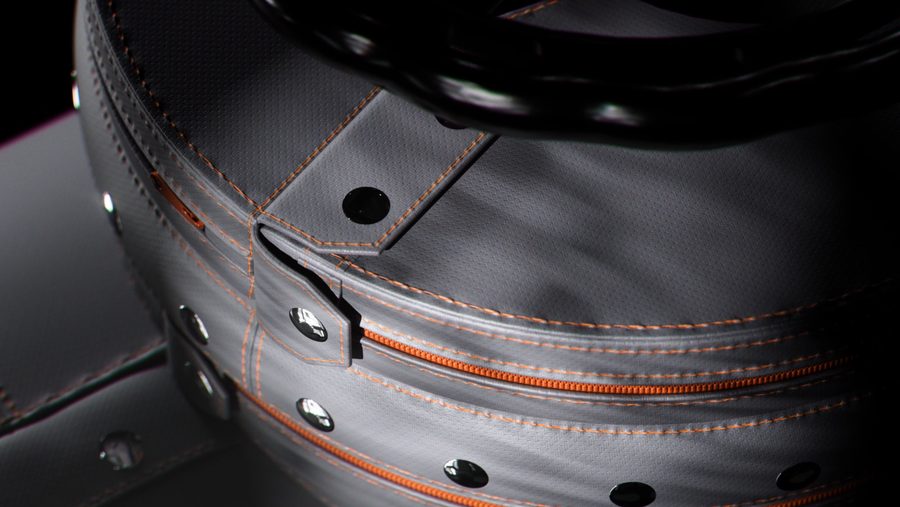
Boilers, kilns, heat exchangers, valves and steam lines lose energy continuously. Inzonex makes Inzonex Modular Insulation — snap-fastened modules engineered per temperature tier, not generic off-the-shelf jackets:
Every tonne you stop emitting is a tonne you don't have to report: cutting heat loss is a measurable, auditable Scope 1 reduction that flows straight into EU ETS, CBAM and your ESG / CSRD disclosures — not an offset, an actual emission cut.
~70% of ammonia & fertilizers CO2 is fuel-side — the share efficiency measures can touch. Heat-loss surveys typically recover 2–5% of fuel use, i.e. 1.4–3.5% of this sector's total CO2, at up to-2-year payback. Worked example at a 400,000 t NH3/yr site (≈800,000 t CO2/yr at the benchmark intensity): an insulation programme is worth 11,200–28,000 t CO2e/yr — a complete, verifiable entry for SECR disclosure 4, an ESOS progress update, ESRS E1-3 and the tender CRP, plus €896,112+ off the carbon bill where ETS/CBAM applies.
Generate exact figures for your own kW finding: Carbon Savings Certificate → · sector decarbonization pathway: Ammonia & fertilizers →
