Methode. Elke praktijk past haar gepubliceerde besparingsmarge toe op de relevante ENERGIE-basis (MWh), niet op een geldbedrag — dus het primaire resultaat is prijsonafhankelijk. Geld = bespaarde MWh × uw €/MWh; CO₂ = bespaarde MWh × uw emissiefactor. Marges: isolatie 2–5% van de brandstof (inspectiepraktijk; reductie per oppervlak ≈90% volgens ASTM C680); stoomprogramma 5–12% van de brandstof (DOE/LBNL economisch potentieel 18–20% van ketel energie — conservatief aandeel van de totale brandstof toegepast); restwarmterecuperatie 3–8% van de brandstof (DOE 2008: 20–50% van de input-energie verloren als warmte, recupereerbaar aandeel site-specifiek); perslucht 2–5% van de elektriciteit (DOE/Energy Star: lekken 20–30% van de compressoroutput; perslucht ≈10% van de industriële elektriciteit); VSD's 3–8% van de elektriciteit (DOE: 20–50% op de betrokken aandrijvingen); LED 2–6% van de elektriciteit (50–60% van de verlichtingsenergie; verlichting 5–30% van de elektriciteit van de installatie); water 10–30% van het waterverbruik (Envirowise/WRAP-auditpraktijk). Een 'goed onderhouden installatie' vermenigvuldigt de marges met 0,4–0,5 (naar-ideaal-brengen).
Eenheidsomrekeningen (voor kruiscontrole tegen elke andere bron): 1 MWh = 1.000 kWh = 3,6 GJ ≈ 3,41 MMBtu. €50/MWh = €0,05/kWh = €14,65/MMBtu. Aardgas 0,183 t CO₂/MWh = 0,0507 t/GJ; kolen ≈0,34 t/MWh; EU-netelektriciteit ≈0,20–0,30 t/MWh (2024, dalend). Dit zijn screeningcijfers voor prioritering, geen garanties — voor cijfers per maatregel van rapportagekwaliteit gebruikt u de Koolstofbesparingscertificaat.
From our guide: Universele Industriële Besparingscalculator — full context, charts and sources there.
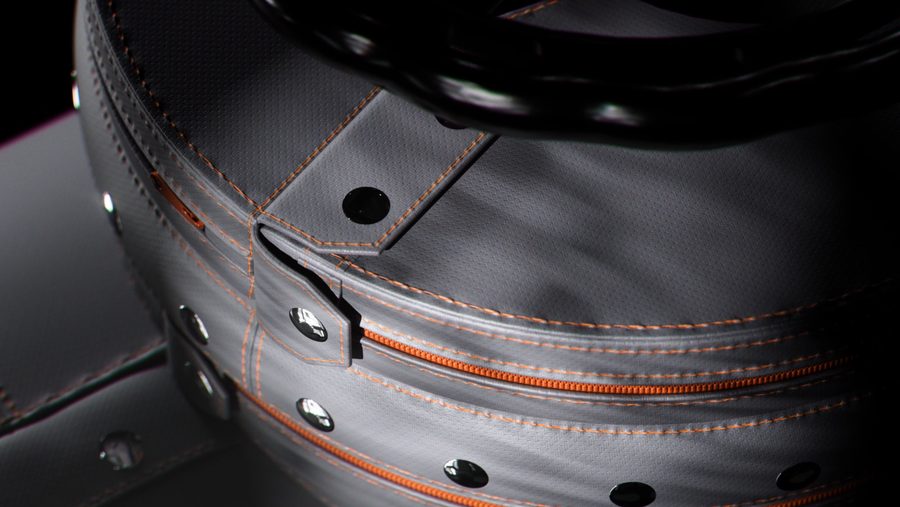
Boilers, kilns, heat exchangers, valves and steam lines lose energy continuously. Inzonex makes patented (UK GB2508992.1) removable modular insulation — snap-fastened covers engineered per temperature tier, not generic off-the-shelf jackets:
Every tonne you stop emitting is a tonne you don't have to report: cutting heat loss is a measurable, auditable Scope 1 reduction that flows straight into EU ETS, CBAM and your ESG / CSRD disclosures — not an offset, an actual emission cut.
