Inzonex Carbon Hubpowered by inzonex.co.uk
Carbon Hub → Carbon credit prices in 2026 — one term, two different worlds
Markets

Carbon credit prices in 2026 — one term, two different worlds

«Carbon credit price» means two unrelated markets: compliance allowances (EU ETS €77.4) that regulators force industry to buy, and voluntary credits ($0.25–$27) that companies buy for claims. Confusing them is expensive.

The two markets, side by side

Compliance (allowances)Voluntary (credits)
Who must buyregulated emitters (law)no one — voluntary claims
Unitallowance: right to emit 1 tcredit: claimed reduction/removal of 1 t elsewhere
Price 2026EU €77.4 · UK ≈£55 · California $29.27$0.25–$27 by project type (carboncredits.com 2026 ranges)
Price drivercap scarcity set by lawproject supply, quality ratings, buyer demand
Usable for EU ETS / CBAM?yes — it IS the instrumentno — voluntary credits cannot offset ETS or CBAM obligations

Compliance prices by market

EU ETS (EUA) · 11 Jun 2026€77.4
UK ETS (UKA) · mid-2025£55
California (CCA) · Feb 2025 auction$29.27
China ETS (CEA) · Mar 2025¥86 ≈ €11

Sources per figure; see the methodology. Country-by-country instruments: the hub table.

Inzonex removable modular insulation on industrial equipment
Cut the tonnes at the source

Hot industrial equipment? Cut the heat loss.

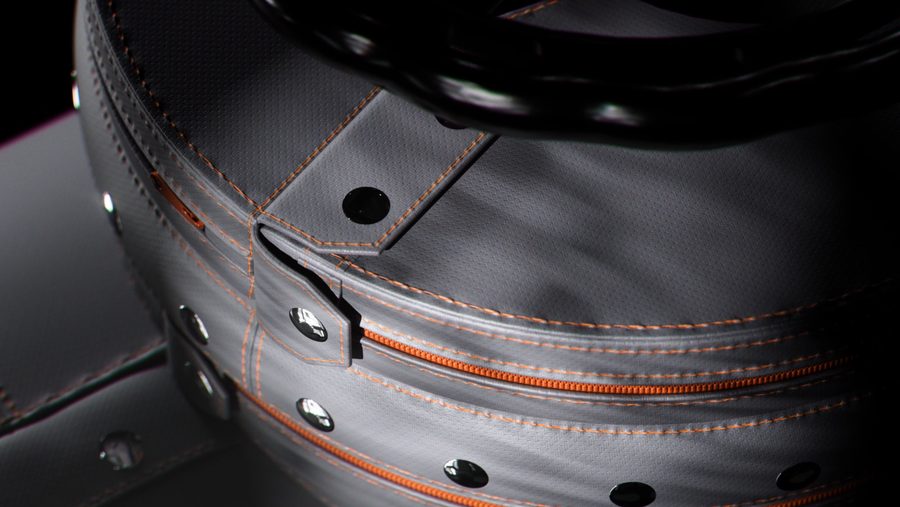
Boilers, kilns, heat exchangers, valves and steam lines lose energy continuously. Inzonex makes patented (UK GB2508992.1) removable modular insulation — snap-fastened covers engineered per temperature tier, not generic off-the-shelf jackets:

  • Up to 90% less heat loss from insulated surfaces
  • Surface temperature ≤45 °C — touch-safe for workers (EN ISO 13732-1)
  • 6× faster maintenance access than fixed cut-and-weld lagging — unclips and refits in minutes, no destruction
  • Inspectable — comes off to check for corrosion under insulation, then refits like-new (generic jackets often don't survive removal)
  • Typical payback under 2 years (some 9–11 months)

Voluntary credit price ranges (why $0.25 and $27 are both real)

Renewable-energy credits (legacy) · oversupplied, low ratings$0.25–3
Avoided deforestation (REDD+) · quality-dependent$3–10
Cookstoves / community$5–12
Engineered removals (biochar, DAC) · scarce, high-integrity$25–27+ (often 100s for DAC)

Indicative 2026 ranges (carboncredits.com market data). Quality initiatives (ICVCM Core Carbon Principles, VCMI) are splitting the market: rated credits command multiples of unrated ones.

What this means for an industrial buyer

You cannot buy $5 voluntary credits to settle a €77.4 ETS bill — compliance demand is locked to allowances. Voluntary credits serve brand claims (with growing scrutiny). The only universal hedge is not emitting the tonne: an avoided tonne is worth the full allowance price, needs no rating agency, and survives every market reform. Price your exposure, then cut the cheapest tonnes.

FAQ

Questions on this topic

What is the price of a carbon credit in 2026?
Compliance allowances: EU ETS €77.4/t (11 Jun 2026), UK ≈£55, California $29.27. Voluntary credits: $0.25–$27/t depending on project type and quality rating — engineered removals trade far above nature-based credits.
Why are voluntary carbon credits so cheap?
Oversupply of legacy projects, integrity concerns and the absence of mandated demand. High-integrity removals (biochar, DAC) are the exception and trade at $25 to several hundred dollars.
Can I use carbon credits against EU ETS or CBAM?
No. EU ETS obligations are settled only with allowances (EUAs); CBAM only with CBAM certificates. Voluntary credits have no compliance value in either.
Will voluntary and compliance prices converge?
Article 6 (Paris Agreement) trading and integrity standards are building bridges, but as of 2026 the markets remain structurally separate — betting on convergence is speculation, not a hedge.
What's a better hedge than buying credits?
Reducing the tonne itself: every tonne avoided through efficiency is worth the full allowance price (€77.4, rising payable share to 2034) with zero counterparty or rating risk.
Source: Inzonex Carbon Hub — inzonex.co.uk/carbon · prices dated as shown on each figure · schedule per Regulation (EU) 2023/956 · indicative analytics, not compliance advice.