Inzonex Carbon Hubpowered by inzonex.co.uk
Ranking · industries

The most carbon-intensive industries

Direct emissions per unit of product, ranked — the league table of who has the hardest decarbonization job.

Hydrogen production9 t / t H2
Ammonia & fertilizers2 t / t NH3
Steel — BF-BOF (integrated)1.9 t / t steel
Aluminium1.6 t / t Al
Lime1.2 t / t lime
Petrochemicals1 t / t HVC
Power — coal0.95 t / MWh
Cement0.7 t / t cement
Automotive manufacturing0.6 t / vehicle
Glass0.55 t / t glass
Pharmaceuticals0.5 t / t API-eq
Pulp & paper0.45 t / t paper
Steel — EAF (electric arc)0.4 t / t steel
Textiles & dyeing0.4 t / t fabric
Power — gas (CCGT)0.37 t / MWh
Food processing0.3 t / t product
LNG & gas processing0.3 t / t LNG
Oil refining0.25 t / t crude
Ceramics & bricks0.25 t / t product
Sugar0.25 t / t sugar
District heating0.25 t / MWh heat
Dairy processing0.15 t / t milk
Brewing0.01 t / hl beer

Typical direct-emission intensities per industry page (sources on each page: IEA, worldsteel, IAI, GNR, sector associations). Units differ by product — this ranks intensity per natural unit, not comparability per euro of output.

Click any industry for its full pathway: all 23 industry pages →
How this page is built: heat-loss figures follow ASTM C680 / ISO 12241 (the method behind our public calculators); facility emissions from Climate TRACE & EU ETS verified data across 30,000+ industrial sites; the 2026–2034 schedule is Regulation (EU) 2023/956, not a forecast. Published by Inzonex — manufacturer of modular removable insulation (UK Patent GB2508992.1). Spotted an error? Tell us — we correct on evidence.
Inzonex removable modular insulation on industrial equipment
Cut the tonnes at the source

Hot industrial equipment? Cut the heat loss.

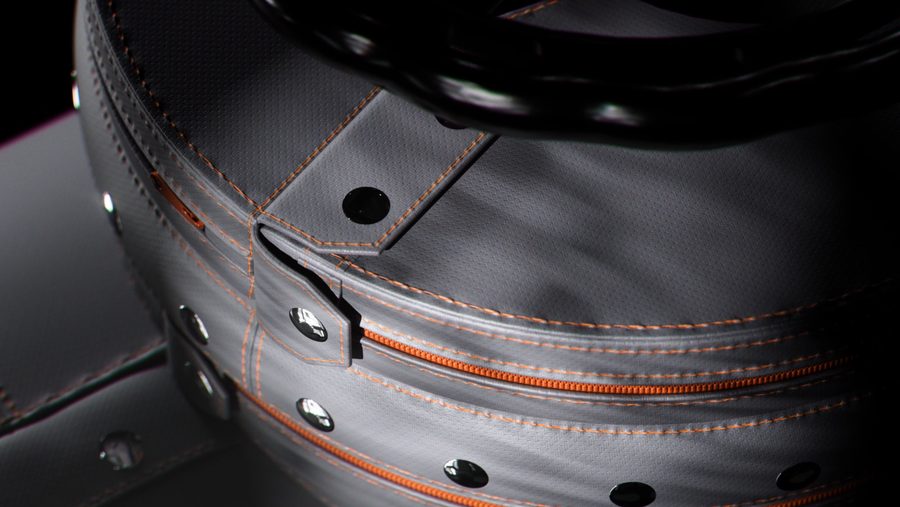
Boilers, kilns, heat exchangers, valves and steam lines lose energy continuously. Inzonex makes patented (UK GB2508992.1) removable modular insulation — snap-fastened covers engineered per temperature tier, not generic off-the-shelf jackets:

  • Up to 96% less heat loss from insulated surfaces
  • Surface temperature ≤45 °C — touch-safe for workers (EN ISO 13732-1)
  • 6× faster maintenance access than fixed cut-and-weld lagging — unclips and refits in minutes, no destruction
  • Inspectable — comes off to check for corrosion under insulation, then refits like-new (generic jackets often don't survive removal)
  • Typical payback up to 2 years

Every tonne you stop emitting is a tonne you don't have to report: cutting heat loss is a measurable, auditable Scope 1 reduction that flows straight into EU ETS, CBAM and your ESG / CSRD disclosures — not an offset, an actual emission cut.

Source: Inzonex Carbon Hub — inzonex.co.uk/carbon · prices dated as shown on each figure · schedule per Regulation (EU) 2023/956 · indicative analytics, not compliance advice.