Method. Ogni pratica applica il suo intervallo di risparmio pubblicato alla base energetica rilevante (MWh), non a una cifra di denaro — quindi il risultato primario è indipendente dal prezzo. Denaro = MWh risparmiati × il tuo €/MWh; CO₂ = MWh risparmiati × il tuo fattore di emissione. Intervalli: isolamento 2–5% del combustibile (pratica di indagine; riduzione per superficie ≈90% a ASTM C680); programma di vapore 5–12% del combustibile (potenziale economico DOE/LBNL 18–20% di caldaia energia — quota conservativa del consumo di combustibile totale); recupero del calore di scarto 3–8% del combustibile (DOE 2008: 20–50% dell'energia in ingresso persa come calore, quota recuperabile specifica del sito); aria compressa 2–5% dell'elettricità (DOE/Energy Star: perdite 20–30% della portata del compressore; aria compressa ≈10% dell'elettricità industriale); VSD 3–8% dell'elettricità (DOE: 20–50% sui motori interessati); LED 2–6% dell'elettricità (50–60% dell'energia di illuminazione; illuminazione 5–30% dell'elettricità della struttura); acqua 10–30% dell'uso di acqua (pratica di audit Envirowise/WRAP). 'Impianto mantenuto' moltiplica gli intervalli per 0,4–0,5 (raggiungere l'ideale).
Conversioni di unità (per il cross-checking rispetto a qualsiasi altra fonte): 1 MWh = 1.000 kWh = 3,6 GJ ≈ 3,41 MMBtu. €50/MWh = €0,05/kWh = €14,65/MMBtu. Gas naturale 0,183 t CO₂/MWh = 0,0507 t/GJ; carbone ≈0,34 t/MWh; elettricità della rete dell'UE ≈0,20–0,30 t/MWh (2024, in calo). Questi sono numeri di screening per la prioritizzazione, non garanzie — per numeri per misura di qualità di report usare il Carbon Savings Certificate.
From our guide: Calcolatore universale dei risparmi industriali — full context, charts and sources there.
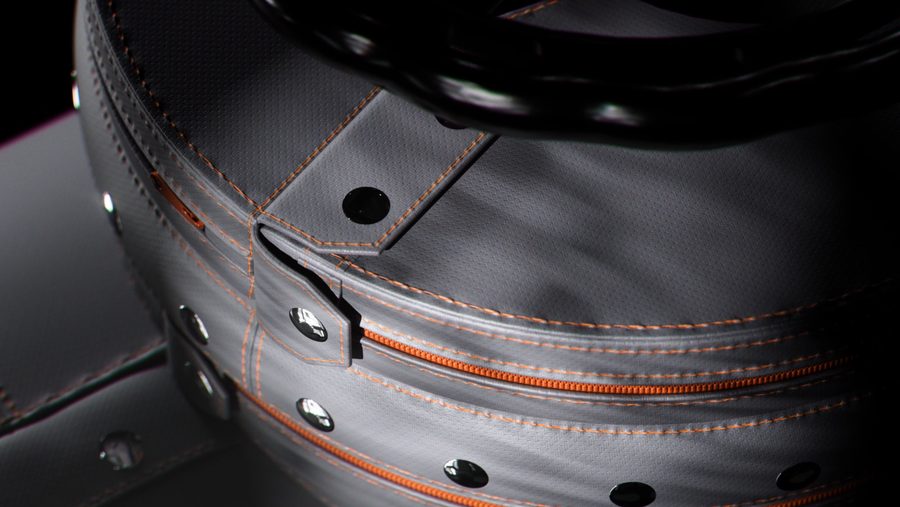
Boilers, kilns, heat exchangers, valves and steam lines lose energy continuously. Inzonex makes patented (UK GB2508992.1) removable modular insulation — snap-fastened covers engineered per temperature tier, not generic off-the-shelf jackets:
Every tonne you stop emitting is a tonne you don't have to report: cutting heat loss is a measurable, auditable Scope 1 reduction that flows straight into EU ETS, CBAM and your ESG / CSRD disclosures — not an offset, an actual emission cut.
