
Compare the system boundary, evidence and constraints. The page does not assign a universal winner.
| Check | Boiler economisers | Waste heat to power |
|---|---|---|
| System change | Transfer heat from flue gas to feedwater, make-up water or another suitable sink. | Convert a suitable waste-heat stream to electricity when direct heat use is not practicable. |
| Evidence required | Fuel, firing profile, stack temperature, oxygen, dew point, sink temperature, flow, fouling condition and materials. | Source temperature, mass flow, composition, variability, annual availability, cooling conditions, parasitic load and electrical connection. |
| Principal constraint | Condensation, corrosion, fouling and insufficient heat-sink demand must be assessed. | Output depends on source quality and continuity. Compare direct heat recovery before power generation. |
| Technical source | US Department of Energy steam-system resources | US Department of Energy waste-heat resources |
Select a measure only after a site-specific energy balance, cost estimate, operational review and verification plan.
Read Boiler economisers · Read Waste heat to power
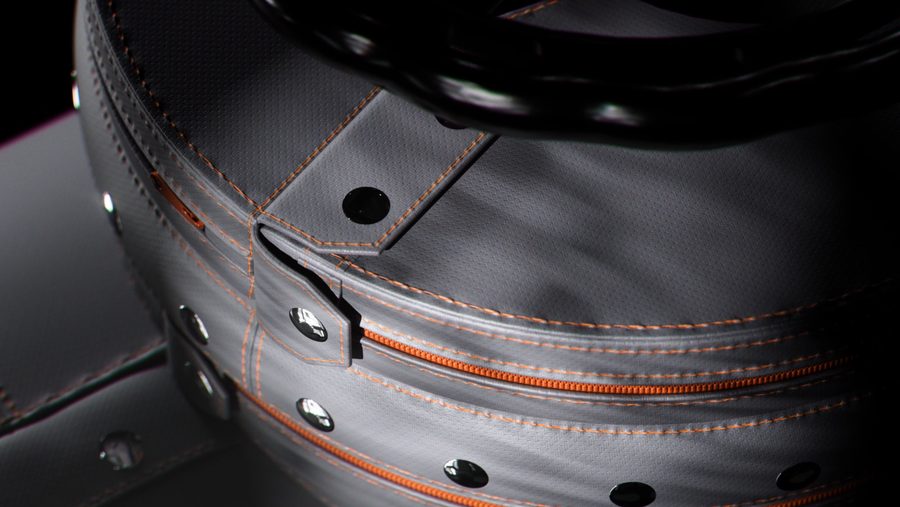
Use measured surface area, temperature and operating hours to calculate heat loss from boilers, kilns, heat exchangers, valves and pipework. Inzonex supplies removable modular insulation for equipment that requires maintenance access.
Do not add a calculated reduction to an emissions report until the reporting boundary, factor, implementation date and verification method have been approved.