Inzonex Carbon Hubpowered by inzonex.co.uk
Carbon HubIndustries → Petrochemicals
Decarbonization · Petrochemicals

Decarbonizing petrochemicals: the honest pathway

Steam crackers run at 850 °C and define the sector's footprint: fuel-fired furnaces dominate, with utilities and flares behind. Electric cracking and bio/circular feedstocks are the structural plays; furnace and steam efficiency is the running business.

Cost exposure

What one t HVC carries, 2026 → 2034

YearFree allocation (EU)Payable carbon costAnnual bill (per 100,000 t HVC)
202697.5%€1.94 / t HVC€193,500
203051.5%€37.54 / t HVC€3,753,900
20340.0%€77.40 / t HVC€7,740,000

At EUA €77.4 (11 Jun 2026) and ≈1 t CO2/t high-value chemicals (steam cracking; IEA). EU ETS industry schedule; exporters under CBAM follow the mirrored phase-in. Power sectors pay 100% from day one.

The pathway, ranked

Reduction measures for petrochemicals

E-cracker (electrified furnaces)−90%
Furnace efficiency & insulation of transfer lines−6%
Waste-heat integration across units−8%
Bio/recycled feedstock−30%
CCS on furnace flue gas−50%

Indicative reduction potential of each measure against the relevant emissions share (sources: IEA industry roadmaps, sector associations — see each measure page). Measures stack but don't simply add.

The fast tonnes

Heat losses you can cut this budget year

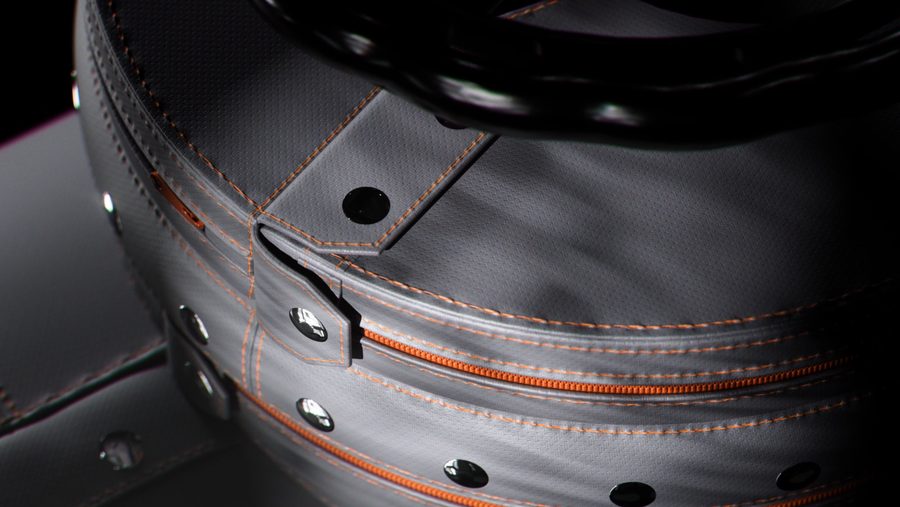
Between furnace and cold section lies a transfer-line and steam network full of high-temperature fittings; petrochemical turnarounds are exactly when removable covers earn their keep — refit in minutes instead of re-lagging for days. Antwerp/Jubail-scale complexes count insulation candidates in the thousands.

Method: ASTM C680 / ISO 12241 surface energy balance — the same engine as our public calculators. Typical removable-insulation effect across hot-process plants: 2–5% of fuel-related CO2, payback up to 2 years.

Context

How petrochemicals compares (t CO2 per unit)

Hydrogen production9 t/t H2
Ammonia & fertilizers2 t/t NH3
Steel — BF-BOF (integrated)1.9 t/t steel
Aluminium1.6 t/t Al
Lime1.2 t/t lime
Petrochemicals1 t/t HVC
Power — coal0.95 t/MWh
Cement0.7 t/t cement

Direct-emission intensities, typical published values per industry page — units differ by product; see each page for sources.

FAQ

Petrochemicals & carbon, answered

What emits CO2 in a petrochemical plant?
Mainly cracker furnaces burning fuel gas (~90% of direct CO2), plus steam utilities. That's why electrified cracking is the sector's flagship project.
Are petrochemicals in CBAM?
Not yet — the pre-2030 extension review names chemicals/polymers explicitly. EU producers already pay ETS; exporters should expect inclusion when planning 2030 economics.
What efficiency is available without touching the process?
Furnace draft/excess-air tuning, steam-trap and insulation programmes — typically 3–6% of fuel. On a 1 Mt HVC site that's tens of thousands of tonnes of CO2 per year.
How this page is built: heat-loss figures follow ASTM C680 / ISO 12241 (the method behind our public calculators); facility emissions from Climate TRACE & EU ETS verified data across 30,000+ industrial sites; the 2026–2034 schedule is Regulation (EU) 2023/956, not a forecast. Published by Inzonex — manufacturer of modular removable insulation (UK Patent GB2508992.1). Spotted an error? Tell us — we correct on evidence.
Source: Inzonex Carbon Hub — inzonex.co.uk/carbon · prices dated as shown on each figure · schedule per Regulation (EU) 2023/956 · indicative analytics, not compliance advice.