
Set the boundary first. Collect site evidence before selecting a measure or reporting a result.
Separate paint shop, ovens, ventilation, compressed air, machining, assembly and utilities by production line.
Vehicle production, oven and air-handling schedules, fuel, electricity, compressed-air demand, temperatures, rejects and shutdown periods.
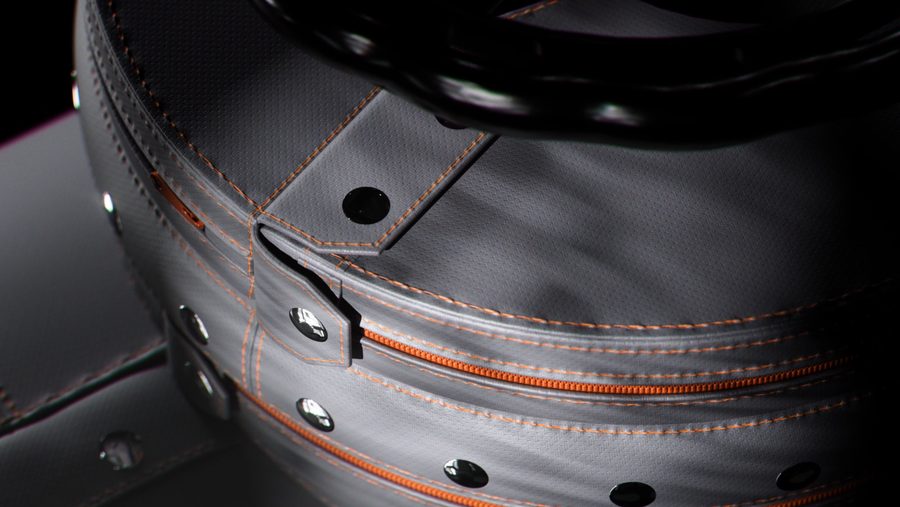
Use measured surface area, temperature and operating hours to calculate heat loss from boilers, kilns, heat exchangers, valves and pipework. Inzonex supplies removable modular insulation for equipment that requires maintenance access.
Do not add a calculated reduction to an emissions report until the reporting boundary, factor, implementation date and verification method have been approved.
Check coating cure, air quality, line balance and production constraints before changing heat, airflow or control settings.
Review oven and air-system auxiliaries, boiler-house equipment, steam and hot-water services and compressed-air distribution.
US Department of Energy: Process Heating Systems
This page does not assign a sector benchmark, standard saving, cost or payback. Use current site data, record the calculation method and obtain the required technical and compliance review.