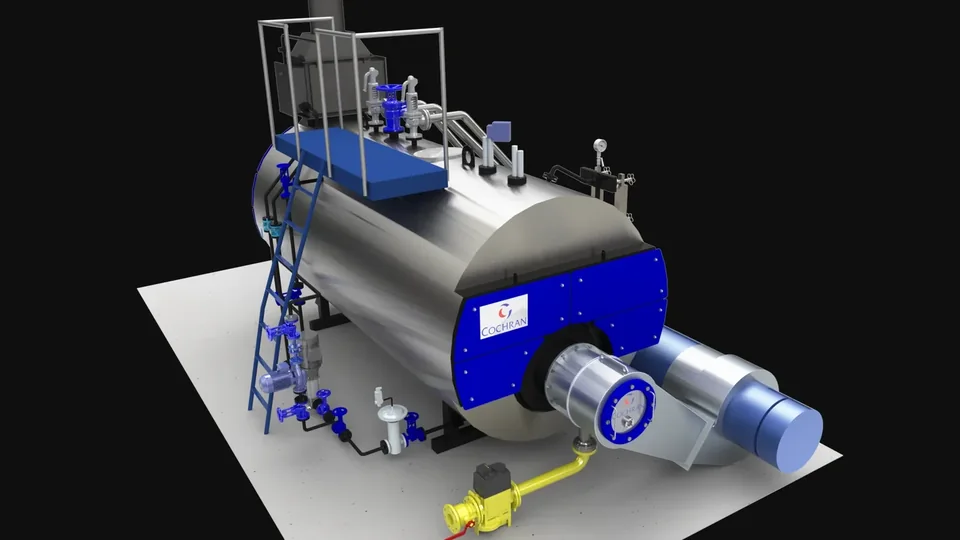
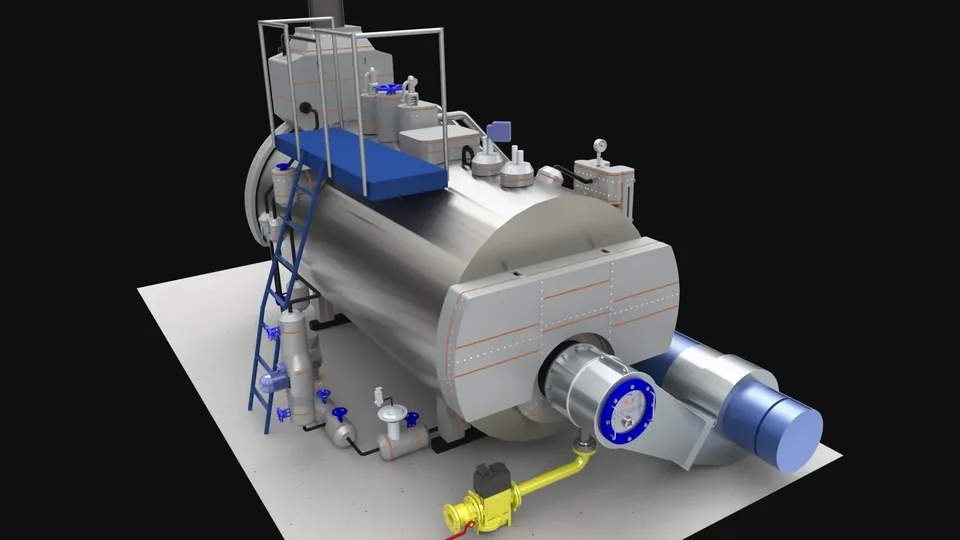

Why a boiler house stays bare
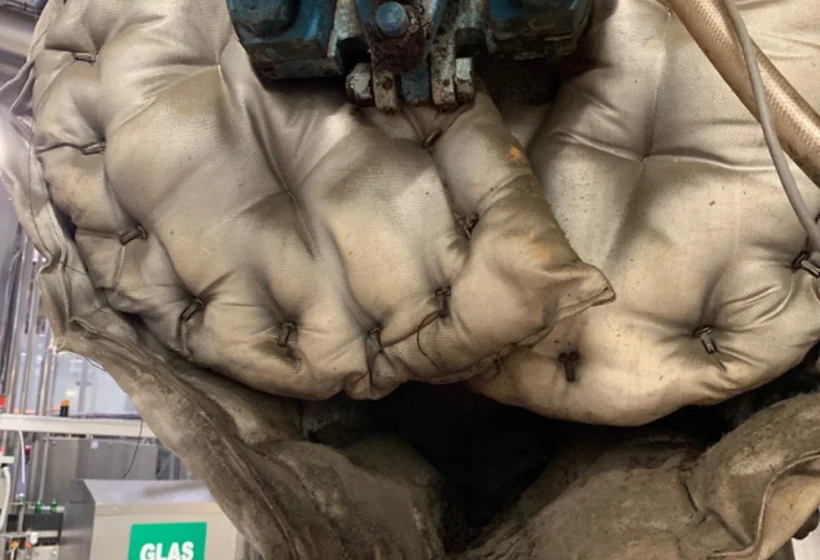
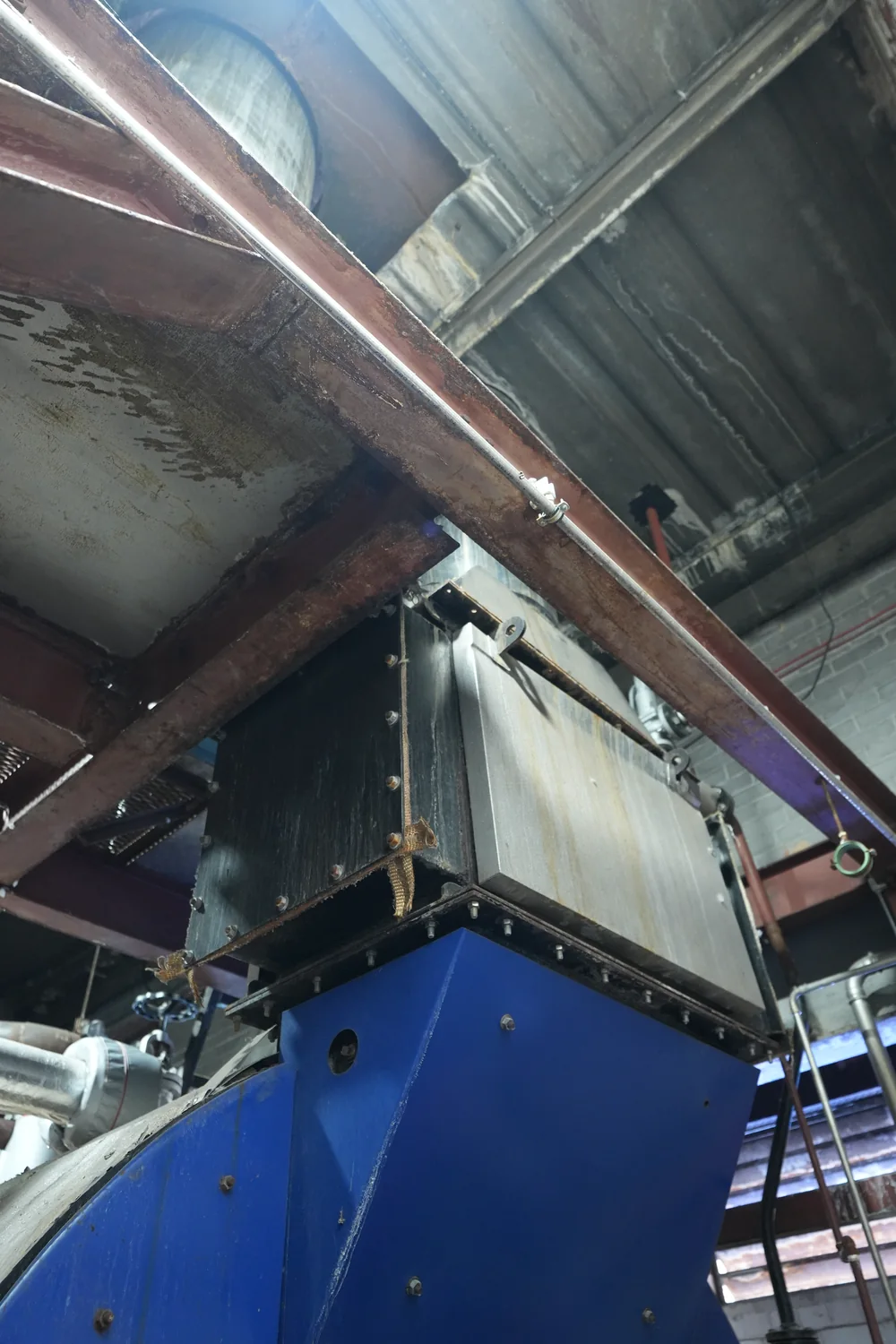
The hottest surfaces on a shell boiler are the ones an engineer has to open. The front door comes off for tube inspection, the manway for entry, the valves for operation, the economizer for cleaning. Rigid cladding gets cut to reach them and, in practice, is never rebuilt — so the surfaces with the highest loss are the ones left permanently exposed.
On this survey that is 28 components, running between 100 and 180 °C, shedding 49.75 kW without interruption. Insulated with removable panels the same set holds 2.58 kW — a 94.8 % cut — and every outer surface sits at or below 45 °C.
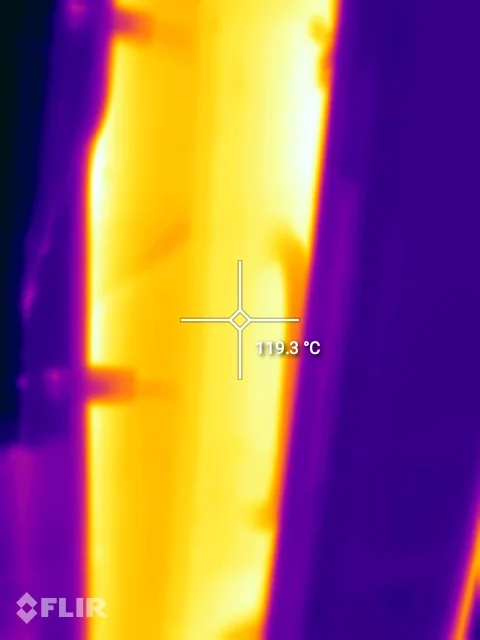
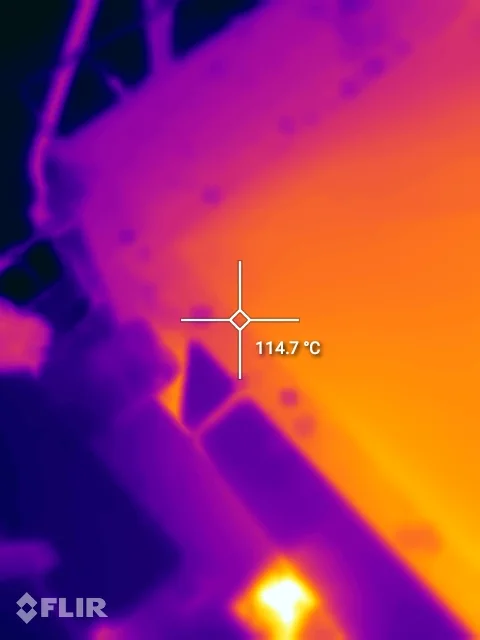
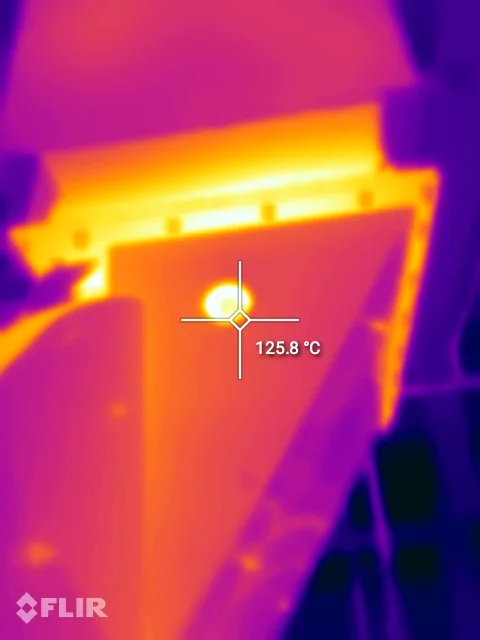
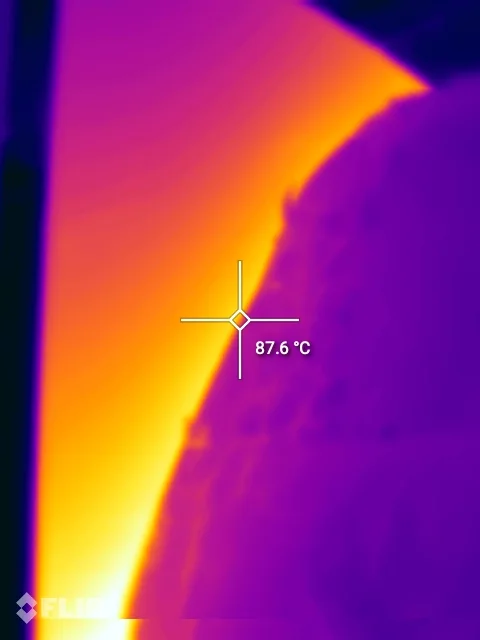
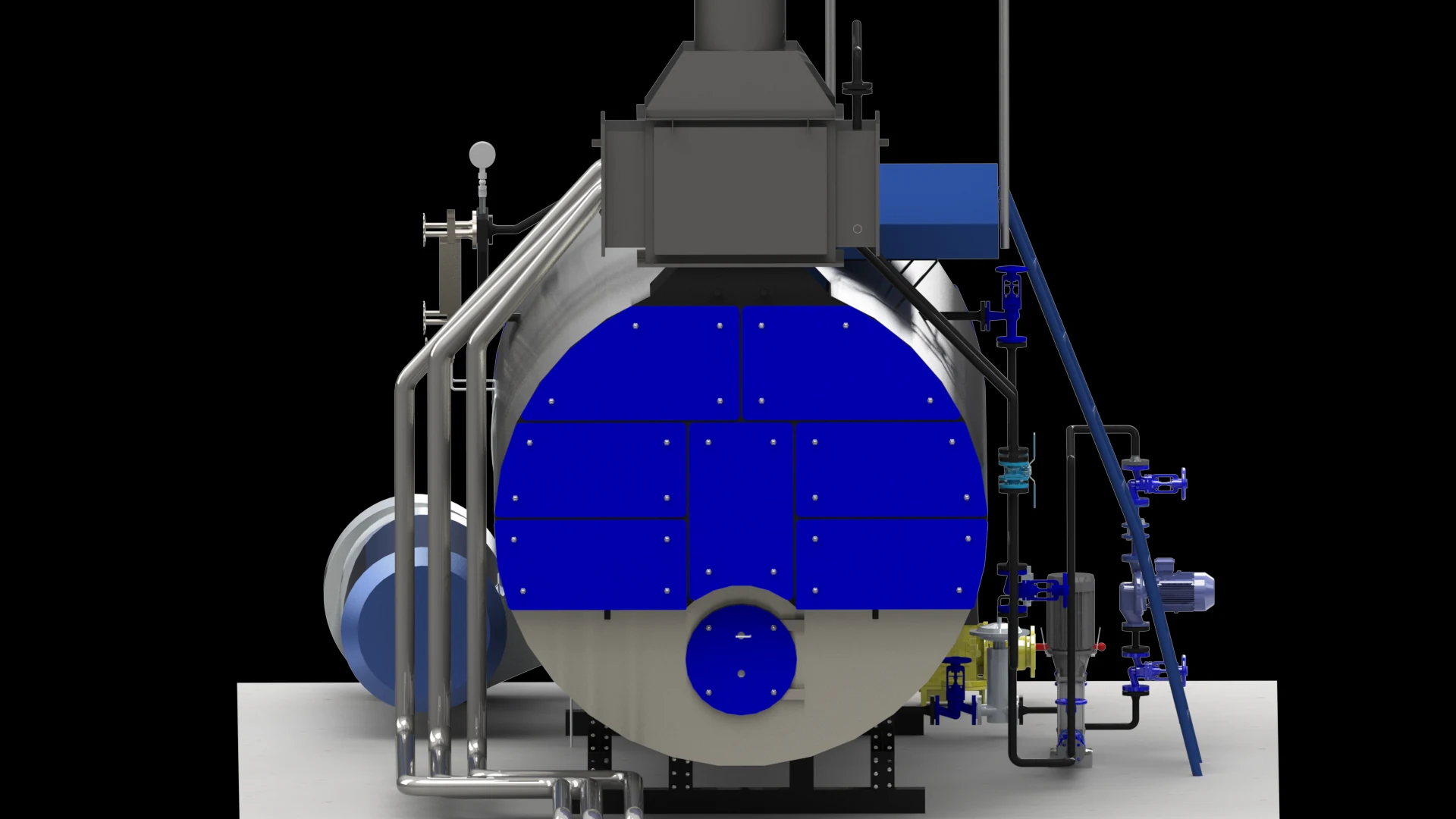
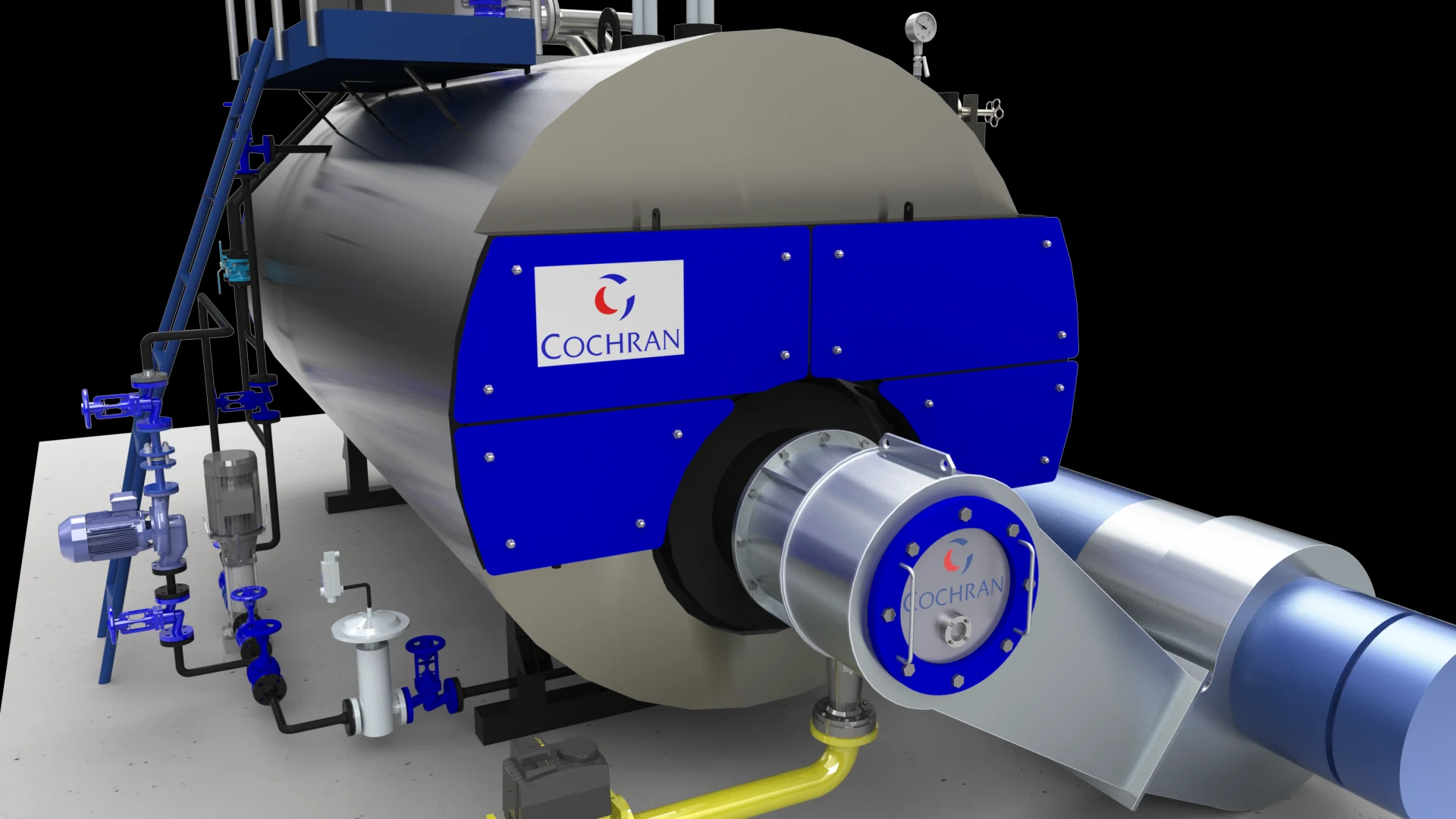
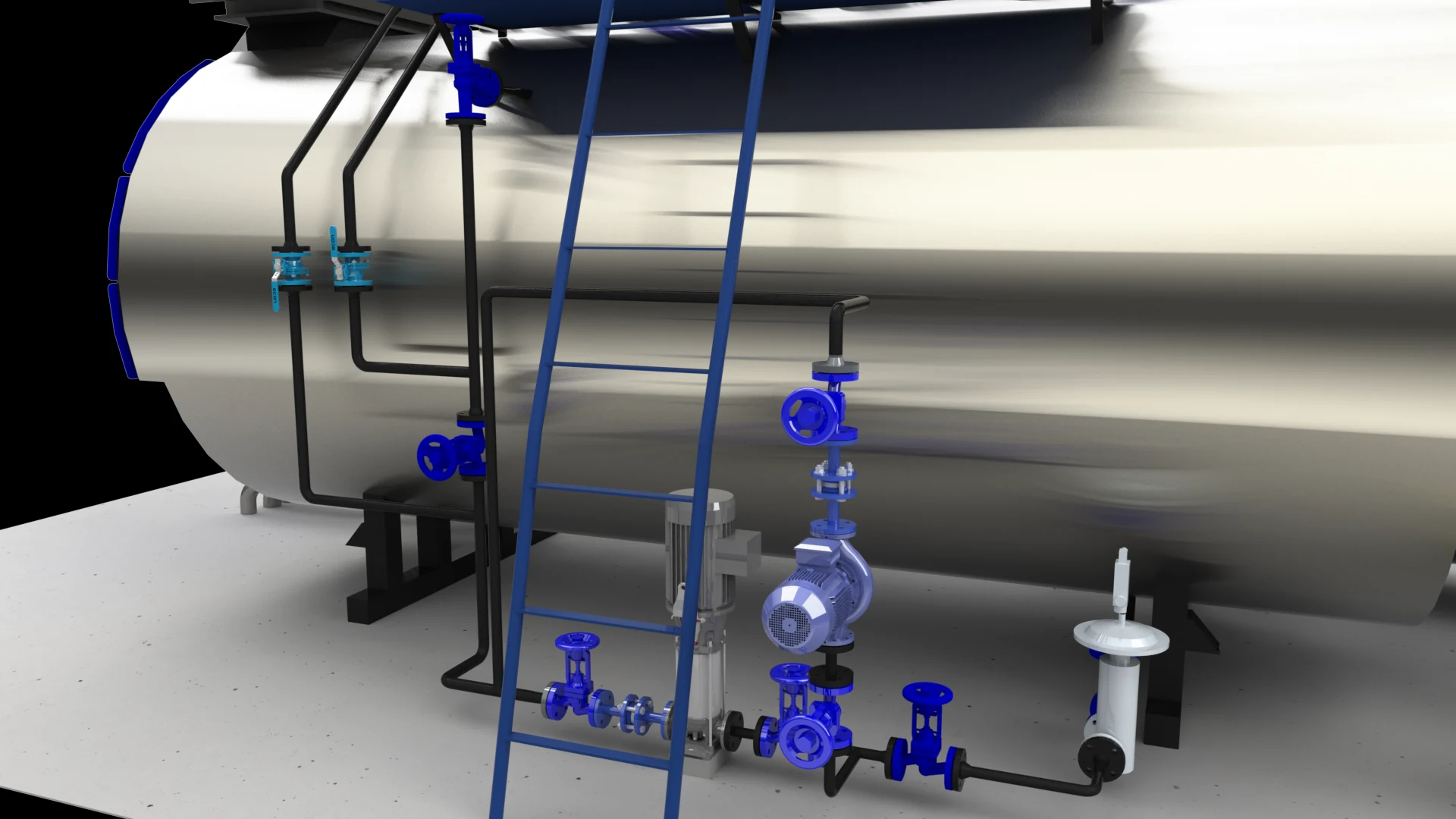
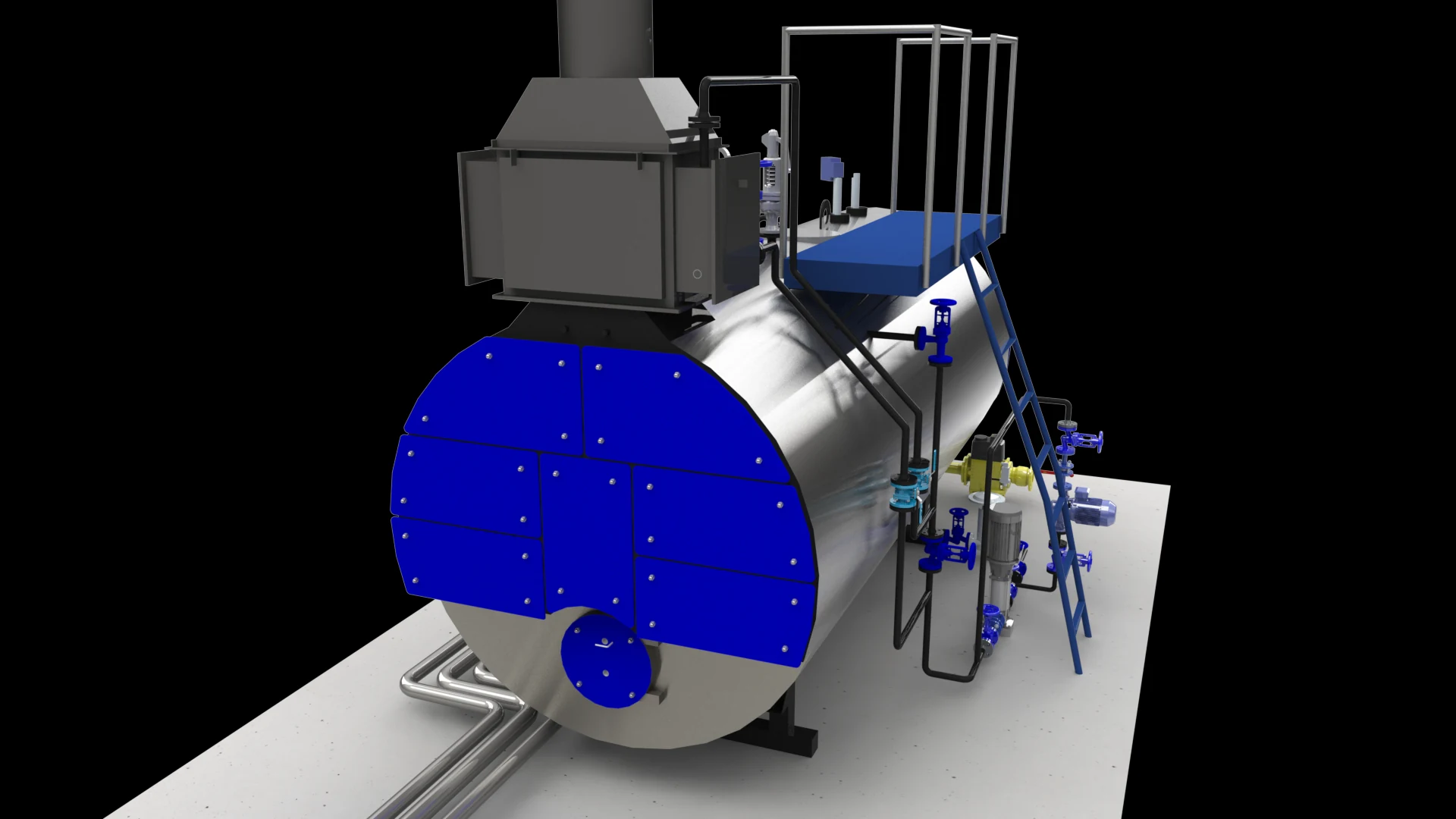
Four frames from the survey. Spot markers are the camera's own radiometric readings; the model uses the measured surface temperature of each component as its boundary condition, not a nameplate figure.
Model inputs: ISO 12241 steady state, air velocity 0.5 m/s, ambient 28 °C, 50 mm mineral-wool core, ε 0.9 on bare steel. Annual fuel and CO₂ are calculator outputs; use measured site efficiency or the editable 94 % planning default for a modern gas-fired steam boiler with an economizer.
Measured, by zone
The measurements behind this model come from an anonymised UK industrial Cochran installation. Its recorded 4,290 h/yr duty is case evidence, not the calculator default.
| Zone | Items | Surface | Loss |
|---|---|---|---|
| Boiler front door | 1 | 120 °C | 47.8 MWh |
| End plate | 1 | 130 °C | 26.1 MWh |
| Economizer | 1 | 126 °C | 93.2 MWh |
| Ground-floor feed set valves, flanges, pump, filter, pipe runs | 18 | 100 °C | 14.5 MWh |
| Top steam set check valve, manhole, sensors, safety valve | 8 | 180 °C | 31.9 MWh |
| Boiler house, total | 29 | — | 213.4 MWh/yr |
Losses are heat at the surface, per the measured survey sheet. The calculator converts heat to fuel through boiler efficiency, so its energy figure is the larger of the two — that is the gas actually burned to replace this heat.
Three surfaces — door, end plate and economizer — carry 78 % of the total. They are also the three a standard jacket set does not panel. That is the order to insulate in.
The access problem, in minutes
Every one of these surfaces is opened on a schedule. What changes with the panel is not whether it opens — it is what opening costs.
| Conventional cladding, per access | |
|---|---|
| Unscrew or cut the sheet panels | |
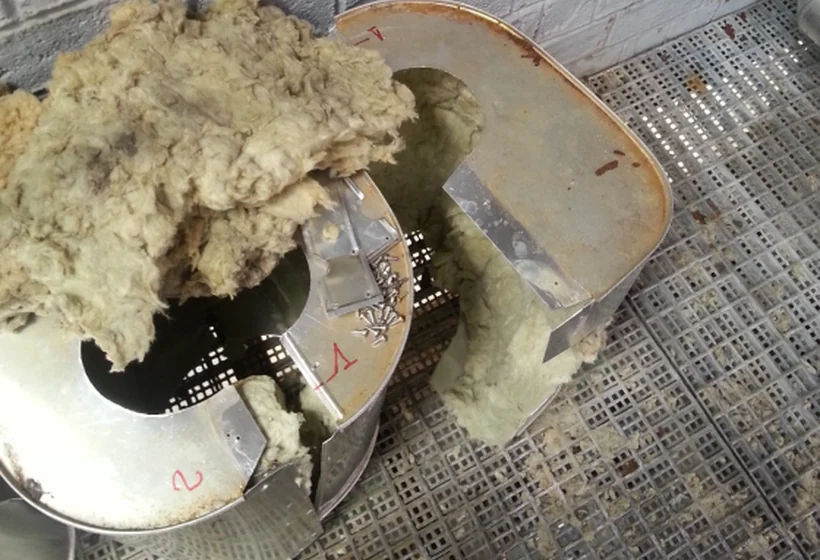
| Dig out the wool — settled and degraded by heat and vibration | |
| Rebuild the wool, cut and fasten new sheet | |
| Cycle per access | 10+ min* |
| Inzonex cycle, per access | |
|---|---|
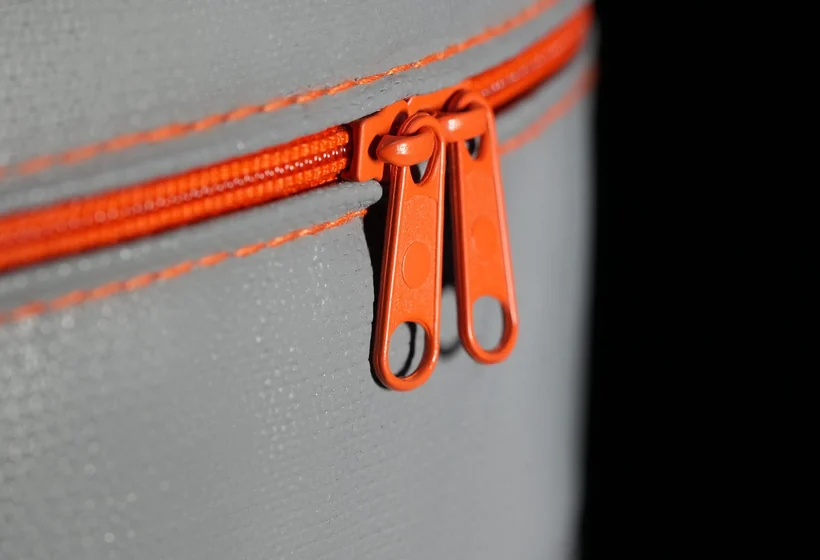
| Release the snap buttons by hand — no tools | |
| Lift the section clear | |
| Snap the same section back | |
| Cycle per access | ~1.5 min* |
*Access-cycle assumptions, not timed trial results — treat them as inputs to check against your own crew, not as measured performance. Cut sheet and compacted wool are scrapped, so conventional access also carries a material cost every time. The panel is designed to come off and go back on; nothing is consumed.


Weight, over the whole set
A sheet-metal casing has to span every surface these panels span. Same job, same surfaces — the difference is what a technician lifts.
| Outer layer, whole set | Weight | Basis |
|---|---|---|
| Steel sheet 0.6 mm lightest gauge used | 146 kg | 7850 kg/m³ + Z275 zinc |
| Steel sheet 0.8 mm common on plant — basis | 195 kg | same, 0.8 mm |
| Steel sheet 1.0 mm walked-on / wind-loaded runs | 244 kg | same, 1.0 mm |
| Inzonex outer fabric | 16.4 kg | our spec |
About 12× lighter on the 0.8 mm basis. The mineral-wool core is identical in both systems — it is the outer layer, and only the outer layer, that the design can change. That is what a technician lifts, at height, next to a live boiler.
Where the heat actually goes
Heat lost from a bare surface does not leave the building. It goes into the plant-room air, every hour the boiler runs. On this set that is 47.2 kW — the difference between 49.75 bare and 2.58 insulated — delivered continuously into a room nobody is trying to heat. Sixteen three-kilowatt fan heaters, never switched off.
That load has three costs, and only the first shows up on the gas bill:
| Consequence | What it looks like |
|---|---|
| Fuel | The boiler regenerates the heat it just threw away. |
| Working conditions | Plant-room air climbs; in summer the room becomes somewhere work gets rushed or deferred. |
| Contact burns | Surfaces at 100–180 °C at working height, next to the valves an operator reaches for. |
The 45 °C touch-safe design target and ISO 13732-1
ISO 13732-1 sets the contact-burn thresholds for hot surfaces. Bare steel at 100 °C burns on contact in about a second; at 180 °C it is immediate. Insulated to ≤45 °C the same surface can be held indefinitely — which is the point of specifying the outer surface temperature rather than only the saving.
A radiometric survey of a comparable package boiler measured the plant room around 6 °C cooler after the bare components were panelled. The measured case → Room temperature depends on ventilation and building fabric, so treat the direction as transferable and the magnitude as site-specific.
The same boiler, before and after
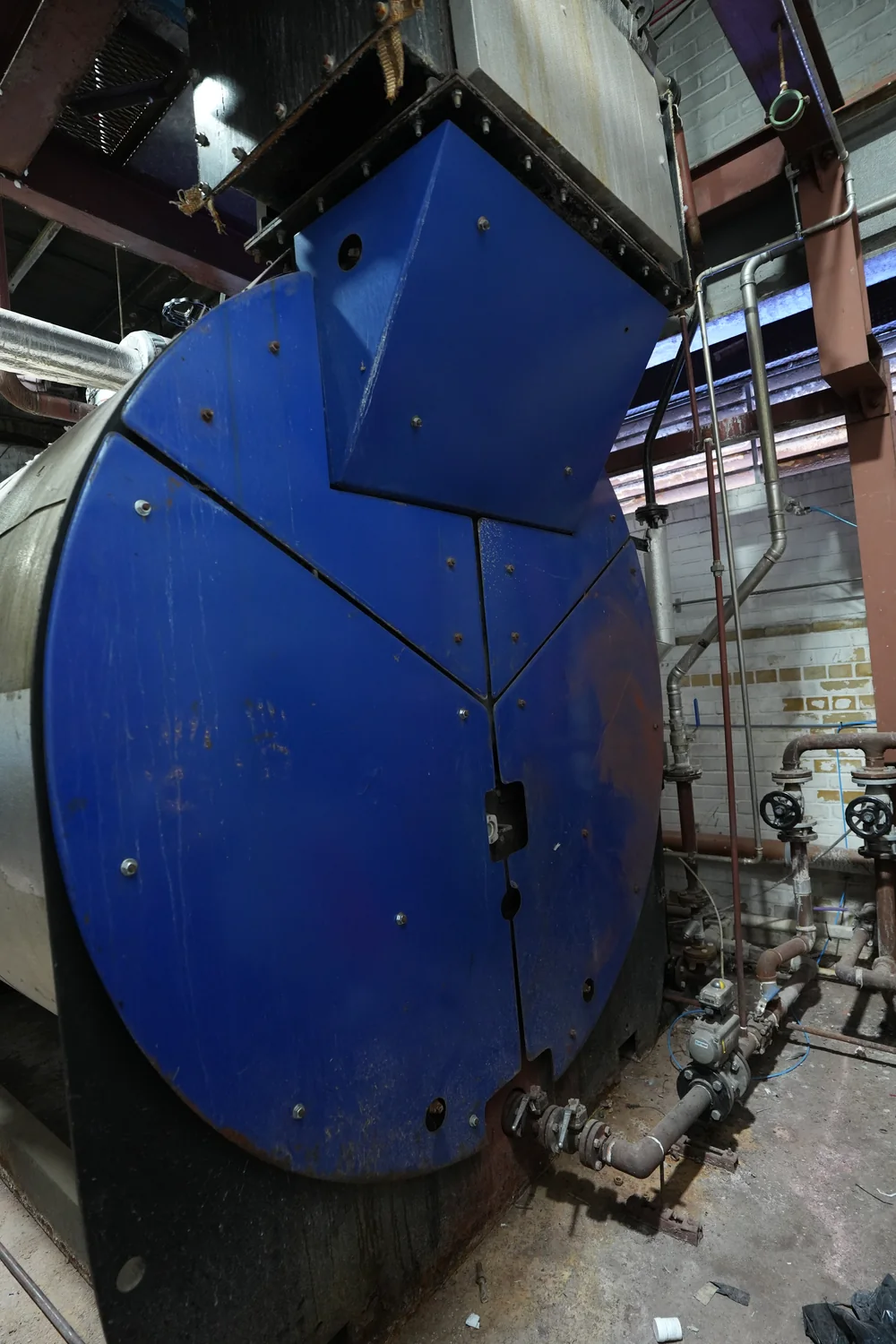
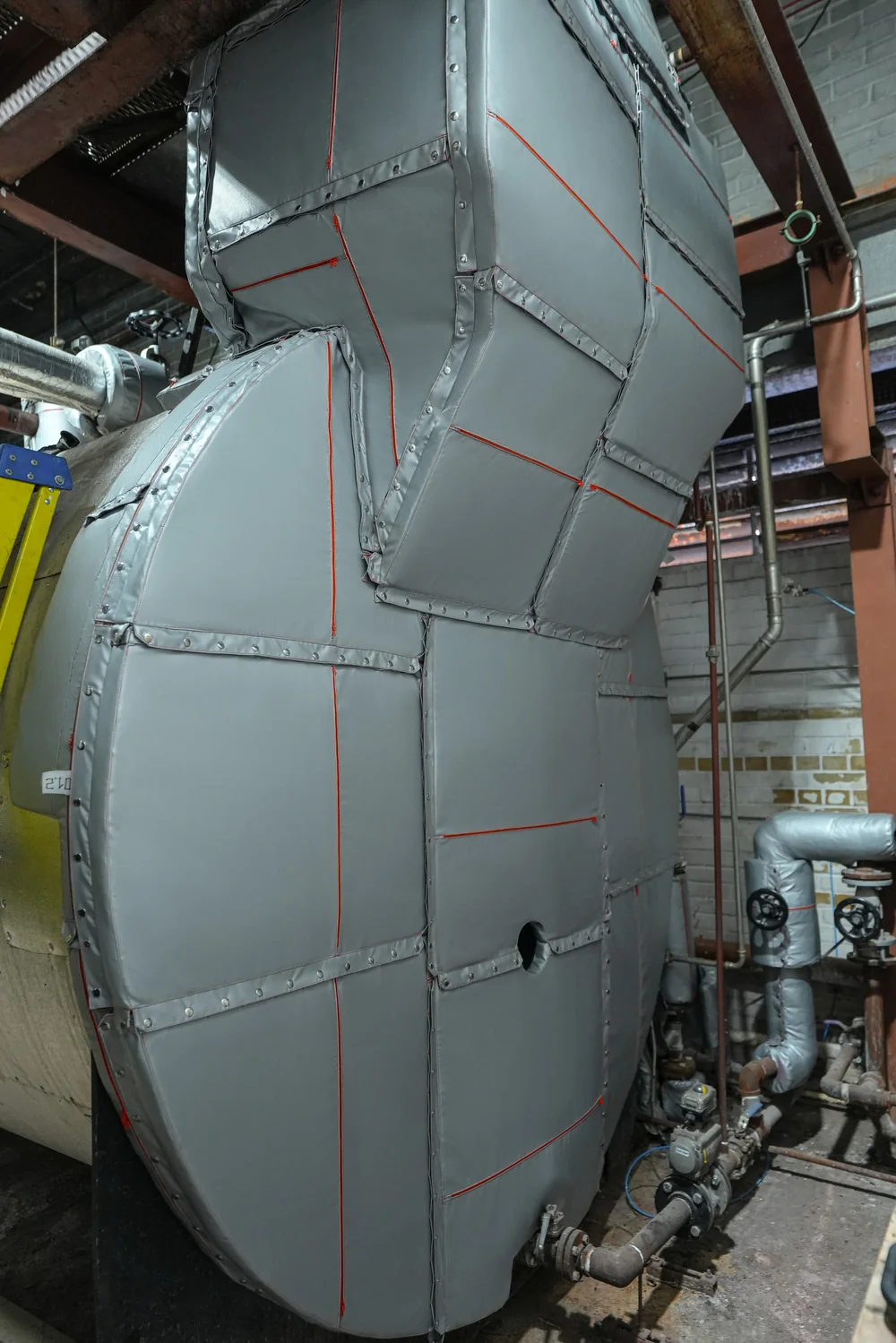
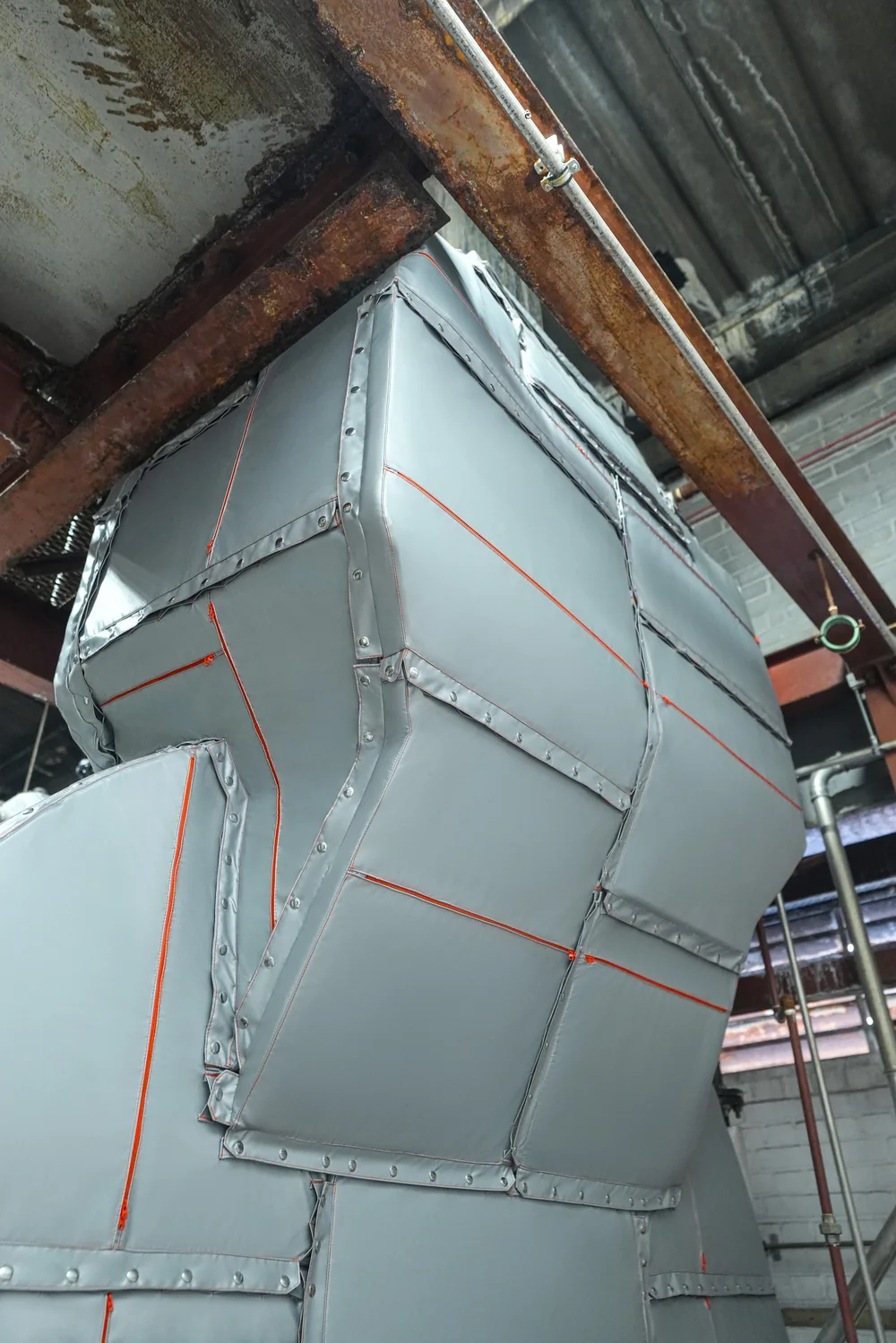
Same boiler, same angle, five weeks apart. The hatch is left clear; the sections come off by hand for tube inspection and go back the same shift.
| Surveyed site | Value |
|---|---|
| Plant | Anonymised UK industrial site |
| Boiler | Cochran shell steam |
| Duty | 4,290 h/yr |
| Components measured | 29 |
| Heat lost, bare | 213.4 MWh/yr |
| Value of that heat at 6p/kWh | £12,809/yr |
| Outer surface, insulated | ≤45 °C |
Figures from the site's own measured survey sheet. The value line is the heat itself; the calculator adds boiler efficiency, so its number is higher — that is the fuel burned to make the heat, which is what you actually pay for.
7,700 h/yr is the planning default for an industrial steam boiler. Replace it with the operating hours from your own site.
The part a heat-loss calculator normally leaves out. Count every time a panel has to come off — inspection, valve work, cleaning — not the number of boiler shutdowns. Cycle times are project assumptions; overwrite them with your own.
Carbon price left at zero unless your site is inside a trading scheme or has an internal price. UK ETS and EU ETS both apply to installations above the combustion threshold — carbon hub →