In grober Reihenfolge der Amortisation über alle Branchen hinweg: stehende Wärmeverluste beseitigen (Dämmung, 2–5 % des Standortbrennstoffs), ein Dampfsystem-Programm durchführen (Kondensatableiter/Leckagen/Verbrennung — das DOE beziffert das wirtschaftliche Potenzial auf 18–20 % der Kesselenergie), Abwärme zurückgewinnen (20–50 % des industriellen Energieeinsatzes gehen als Wärme verloren, US DOE), Druckluftleckagen beheben (20–30 % der Kompressorleistung, DOE/Energy Star), VSDs an variablen Lasten anbringen (20–50 % des Antriebsstroms), die Beleuchtung auf LED umstellen (50–60 % des Beleuchtungsstroms), ein Wasserprogramm durchführen (10–30 % der Wasserkosten), dann die strukturellen Schritte: Wärmepumpen, Elektrifizierung, Brennstoffwechsel.
From our guide: Industrielle Dekarbonisierungspraktiken — full context, charts and sources there.
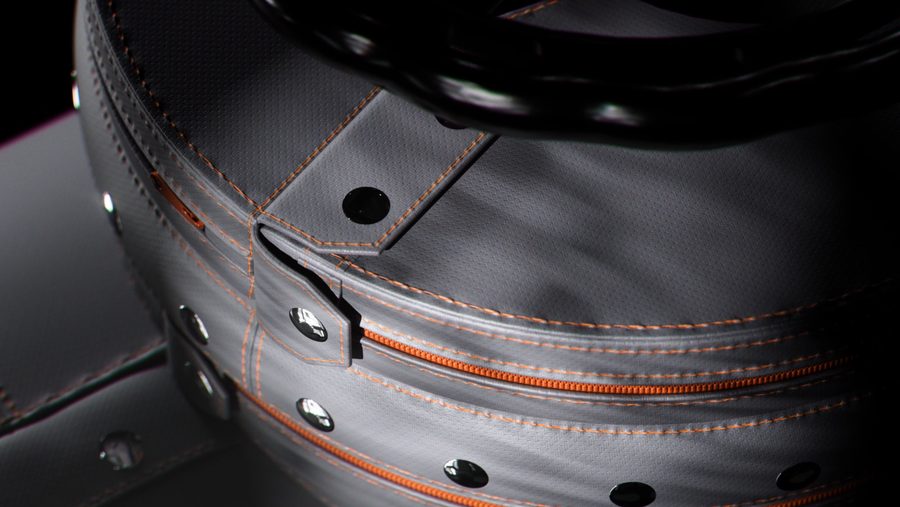
Boilers, kilns, heat exchangers, valves and steam lines lose energy continuously. Inzonex makes patented (UK GB2508992.1) removable modular insulation — snap-fastened covers engineered per temperature tier, not generic off-the-shelf jackets:
Every tonne you stop emitting is a tonne you don't have to report: cutting heat loss is a measurable, auditable Scope 1 reduction that flows straight into EU ETS, CBAM and your ESG / CSRD disclosures — not an offset, an actual emission cut.
