In ordine di payback approssimativo per tutti i settori: eliminare le perdite di calore stazionarie (isolamento, 2–5% del consumo energetico del sito), eseguire un programma di sistemi a vapore (trappole/perdite/combustione — il DOE stima il potenziale economico al 18–20% dell'energia della caldaia), recuperare il calore di scarto (20–50% dell'input energetico industriale è perso come calore, US DOE), riparare le perdite di aria compressa (20–30% della portata del compressore, DOE/Energy Star), installare VSD su carichi variabili (20–50% dell'elettricità del motore), illuminare a LED (50–60% dell'elettricità di illuminazione), eseguire un programma idrico (10–30% del costo dell'acqua), quindi le mosse strutturali: pompe di calore, elettrificazione, sostituzione del combustibile.
From our guide: Pratiche di Decarbonizzazione Industriale — full context, charts and sources there.
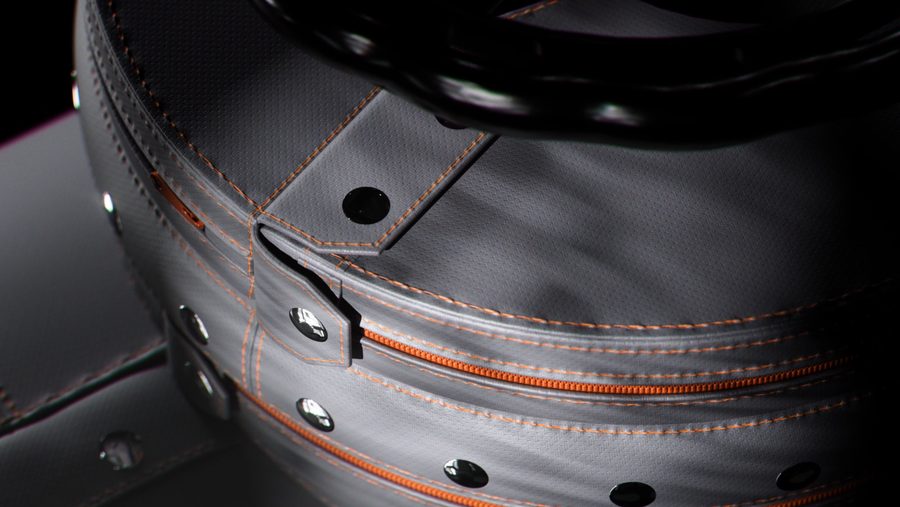
Boilers, kilns, heat exchangers, valves and steam lines lose energy continuously. Inzonex makes patented (UK GB2508992.1) removable modular insulation — snap-fastened covers engineered per temperature tier, not generic off-the-shelf jackets:
Every tonne you stop emitting is a tonne you don't have to report: cutting heat loss is a measurable, auditable Scope 1 reduction that flows straight into EU ETS, CBAM and your ESG / CSRD disclosures — not an offset, an actual emission cut.
