Inzonex Carbon Hubpowered by inzonex.co.uk
Carbon HubCountry × industry → South Korea · Oil refining
Data layer · est. 2023

Oil refining in South Korea: emitters, CO2 & carbon value

9 tracked facilities, ≈32,445,787 t CO2/yr combined — here are the largest, what that CO2 is worth at current prices, and the sector's reduction pathway. Full sector pathway: decarbonizing oil refining.

The numbers

Oil refining in South Korea at a glance

MetricValueNote
Facilities tracked9with CO2 estimates
Total est. CO232,445,787 t/yrClimate TRACE 2023
Average per facility3,605,087 t/yr
Indicative carbon value€2,511M/yrat €77.4/t EUA

Carbon pricing here: K-ETS since 2015 — covers ~73% of national emissions; KAU price has traded ≈€5–10 (2024–25, World Bank State & Trends of Carbon Pricing 2025 / ICAP 2025). Current benchmark: no liquid market price. Full country page: carbon price in South Korea.

Largest emitters

Top 9 oil refining CO2 emitters in South Korea

#FacilityOwnert CO2/yr (est. 2023)Indicative value
1GS-Caltex Yeosu Refinery8,882,869€687.5M
2SK Ulsan RefinerySK Inc7,295,436€564.7M
3S-Oil Onsan RefinerySaudi Arabian Oil Co6,196,517€479.6M
4Hyundai Oilbank Daesan RefineryHyundai Oilbank Co Ltd5,778,641€447.3M
5SK Incheon Oil RefinerySK Inc1,451,565€112.4M
6Hanwha Total Condensate SplitterHanwha Energy Corp946,920€73.3M
7Hyundai Lotte Daesan Condensate SplitterHyundai Oilbank Co Ltd895,888€69.3M
8SK Incheon Condensate SplitterSK Inc527,326€40.8M
9S-Oil Onsan Condensate Splitter470,625€36.4M

Climate TRACE satellite estimates via IndustryAtlas — modelled, not verified; some entries aggregate clusters. Corrections welcome.

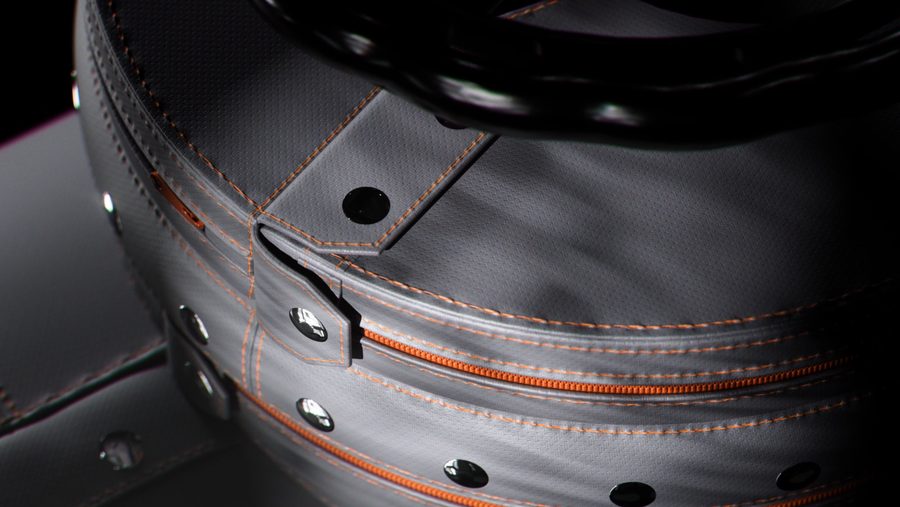
Inzonex removable modular insulation on industrial equipment
Cut the tonnes at the source

Hot industrial equipment? Cut the heat loss.

Boilers, kilns, heat exchangers, valves and steam lines lose energy continuously. Inzonex makes patented (UK GB2508992.1) removable modular insulation — snap-fastened covers engineered per temperature tier, not generic off-the-shelf jackets:

  • Up to 90% less heat loss from insulated surfaces
  • Surface temperature ≤45 °C — touch-safe for workers (EN ISO 13732-1)
  • 6× faster maintenance access than fixed cut-and-weld lagging — unclips and refits in minutes, no destruction
  • Inspectable — comes off to check for corrosion under insulation, then refits like-new (generic jackets often don't survive removal)
  • Typical payback under 2 years (some 9–11 months)
Same industry, other countries
Other industries in South Korea
FAQ

Questions

How many oil refining facilities does South Korea have with tracked emissions?
9 facilities carry satellite-based CO2 estimates in our dataset (Climate TRACE 2023), totalling ≈32,445,787 t CO2/yr.
What is the largest oil refining emitter in South Korea?
GS-Caltex Yeosu Refinery — ≈8,882,869 t CO2/yr (est. 2023). Estimates are modelled, not verified declarations.
What would this CO2 cost at the EU price?
≈€2,511M per year at €77.4/t — indicative full-price value; actual cost depends on free allocation and the local instrument.
How this page is built: heat-loss figures follow ASTM C680 / ISO 12241 (the method behind our public calculators); facility emissions from Climate TRACE & EU ETS verified data across 30,000+ industrial sites; the 2026–2034 schedule is Regulation (EU) 2023/956, not a forecast. Published by Inzonex — manufacturer of modular removable insulation (UK Patent GB2508992.1). Spotted an error? Tell us — we correct on evidence.
Source: Inzonex Carbon Hub — inzonex.co.uk/carbon · prices dated as shown on each figure · schedule per Regulation (EU) 2023/956 · indicative analytics, not compliance advice.