Inzonex Insulation Hubpowered by inzonex.co.uk
Insulation HubQ&A → Is wet insulation a food-safety audit finding?
Q&A · Maintenance access

Is wet insulation a food-safety audit finding?

Yes. Under building-fabric clauses (BRCGS Food Safety clause 4.4, IFS Food equivalents) auditors flag wet or stained lagging, shedding fibre, rust bleed-through and voids behind cladding — moisture, foreign-body and pest-harborage risks respectively. Wet insulation is simultaneously an engineering problem: it stops insulating and starts corrosion under insulation.

FAQ

Questions on this topic

Which zones fail first?
Washdown zones: water finds jacket seams, open fibre soaks and never fully dries. Pasteurizers, CIP areas and hot-water sets are the classic finding locations — see what BRC & IFS auditors flag about insulation.
Can wet mineral wool recover?
Mostly no — thermal performance and binder integrity degrade; see does wet mineral wool recover.
What is the removable-cover angle?
Sealed skins keep the fibre enclosed and shed washdown water; and because the cover unclips in minutes, QA can actually look under it before the auditor does.

More: maintenance-access calculator · measured access times · all questions
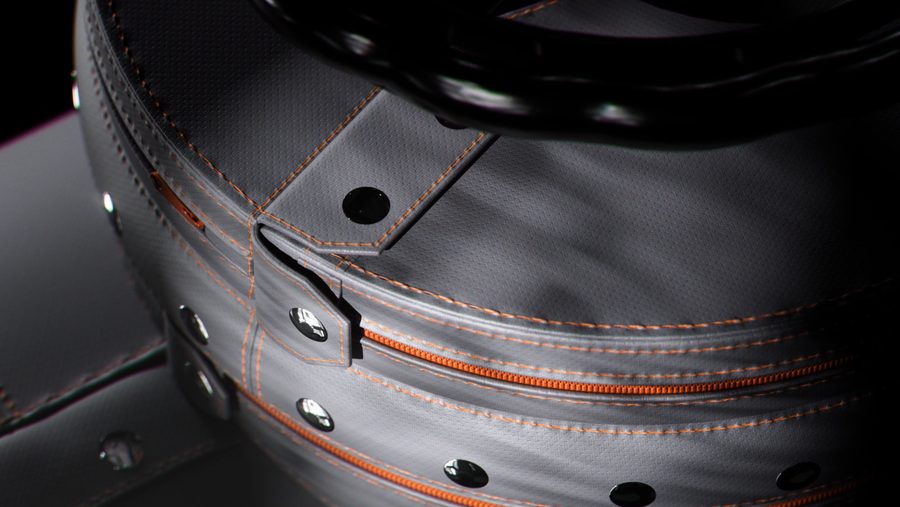
Inzonex removable modular insulation on industrial equipment
From the people who publish this data

Components that get opened need covers that come off.

Inzonex makes modular removable insulation — engineered covers with snap-button closures, cores tiered by temperature (needle mat / wired mat / silica), surfaces held at ≤45 °C:

  • Up to 96% less heat loss from covered components
  • 6× faster maintenance access than standard insulation jackets and metal cladding/boxes — unclips, refits, survives the cycle
  • Typical payback up to 2 years (hot, frequently-opened gear: 9–11 months)