
UK CBAM 2027: what changed in the September 2026 update
A dated briefing on the UK CBAM launch, covered sectors and the September 2026 update to impact and cost estimates.
Check the legal status
Official impact estimates updated; launch remains 1 January 2027
Source: HM Revenue & Customs
What changed
HMRC updated the published impact and cost estimates on 9 September 2026. The stated launch remains 1 January 2027 and the covered sectors remain aluminium, cement, fertiliser, hydrogen, iron and steel.
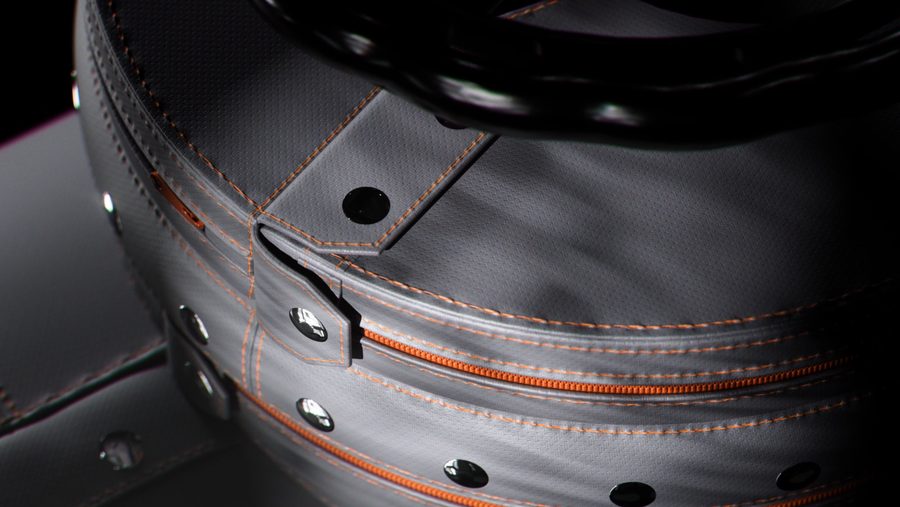
Measure exposed hot surfaces
Use measured surface area, temperature and operating hours to calculate heat loss from boilers, kilns, heat exchangers, valves and pipework. Inzonex supplies removable modular insulation for equipment that requires maintenance access.
- Design target: surface temperature at or below 45 °C, subject to the application and design review
- Claimed heat-loss reduction: up to 96%, subject to the measured boundary and insulation specification
- Removable construction for inspection and maintenance access
- Calculation record available for the selected equipment and operating conditions
Do not add a calculated reduction to an emissions report until the reporting boundary, factor, implementation date and verification method have been approved.
Check if this affects you
Importers and overseas suppliers of aluminium, cement, fertiliser, hydrogen, iron and steel entering the UK.
Dates and sequence
The chart separates publication dates, effective dates and actions. It does not treat a proposal as law.
- HMRC updates impact and cost estimates
- Map covered goods and supplier evidence
- UK CBAM is due to start
Risks and potential
These are implementation consequences from the cited rule. Any financial result still needs measured inputs.
Risk
Waiting until import creates the first data request can leave the importer dependent on incomplete supplier evidence or conservative assumptions.
Potential
Model exposure using covered UK-bound volume × embedded emissions × the applicable UK rate, less eligible carbon price paid at origin. Keep this scenario separate from the final tax calculation.
What you need to do
- Map UK-bound goods to the covered product scope.
- Collect embedded-emissions and origin-carbon-price evidence from suppliers.
- Keep planning assumptions separate from the final liability calculation and future secondary rules.
Continue the analysis
Use the linked pages for calculations and operating context.
This is a regulatory briefing, not legal advice. Check the primary source and project-specific obligations before acting.