Both are 'removable insulation'. One is a pillow with wire; the other is a patterned, snap-closed product with a fabrication standard. The price gap is real — so is the performance and lifecycle gap.
| Insulation bag / pillow | Engineered removable cover | |
|---|---|---|
| Fit to geometry | approximate — bridges and gaps | patterned to the component |
| Closure | tie wire / lacing | defined system (snap buttons — Inzonex; straps/buckles elsewhere) |
| Survives removal | rarely — most are single-use in practice | designed for repeated cycles |
| Hot spots | common at ties and bridged faces | engineered out (overlap details) |
| Fabrication standard | none dedicated | ASTM C1695 |
| First cost | lowest | 2–3× a bag |
| Cost per insulated year (opened ≥1×/yr) | rebuy every cycle | amortises across cycles — cheaper from ~year 2 |
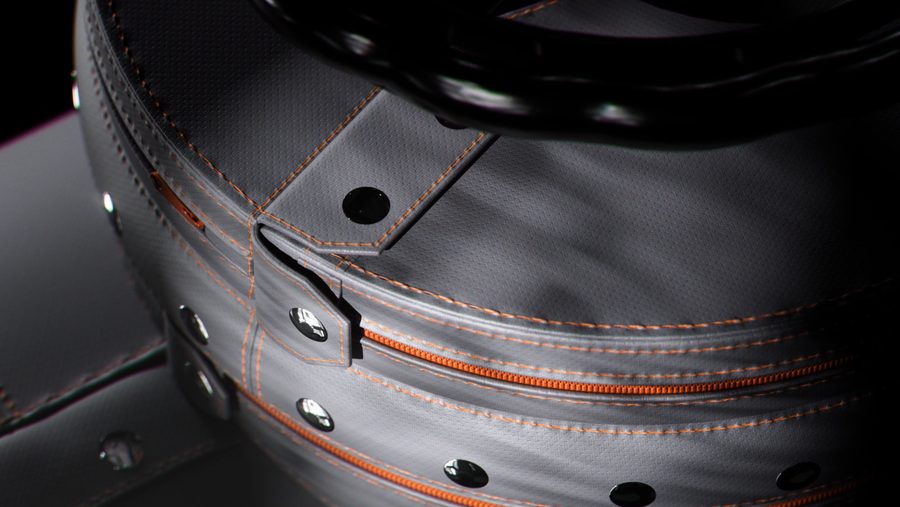
Inzonex makes modular removable insulation — engineered covers with snap-button closures, cores tiered by temperature (needle mat / wired mat / silica), surfaces held at ≤45 °C:
Follow the relevant next step below. Keep the duty, units and assumptions with any result; verify the exact product and complete assembly before specification.
