Cement Plant in Brazil. Approximate location -20.89936, -43.81896.
Cement PlantBrazilCO₂ reported
Carandaí Cement Plant is a cement plant in Brazil with a reported capacity of 3,400,000 t of cement. It burns limestone in high-temperature rotary kilns to make clinker and cement. It is operated by Cimento Tupi SA. By capacity it ranks #5 of 57 cement plants tracked in Brazil. It emits about 1,325,374 tonnes of CO₂e per year (Climate TRACE) — roughly the tailpipe emissions of 308,945 cars. Its CO₂ per unit of capacity is about 8% above the median cement plant.
Facility data: Climate TRACE v6 (asset-level capacity & CO₂e, CC BY 4.0), id ct-1895261.
Przy 3,400,000 t of cement, Carandaí Cement Plant jest znacznie powyżej medianę cement plant w Brazil (1,461,000 t of cement). Jego CO₂ na jednostkę pojemności wynosi w przybliżeniu 19% powyżej medianę cement plant. Podsektor: cement. Jako cement plant, wymaga intensywnego ciepła procesowego (typowo 800–1400°C) do swoich głównych operacji przemysłowych — ciepła, które musi być dostarczane przez kotły, piece lub spalanie bezpośrednie, a straty przez nieisolowane zbiorniki i rury stanowią zmarnowane paliwo. Modułowa izolacja demontowalna może zmniejszyć te straty o 80–96%, chłodząc powierzchnie do ≤45°C, z zwrotem inwestycji często poniżej 2 lat. Cementownie ogrzewają wapień do 1.400°C w piecach obracających się — jeden z najgorętszych procesów przemysłowych — i muszą precyzyjnie kontrolować temperaturę na całej długości pieca.
Porównanie pojemności i intensywności CO₂ obliczane na podstawie danych instalacji przemysłowych Climate TRACE; rola sektora oparta na odniesieniau inżynierskim.
This facility's reported annual CO₂e in the everyday equivalents from the US EPA Greenhouse Gas Equivalencies calculator:
Equivalencies: US EPA Greenhouse Gas Equivalencies. Emissions: Climate TRACE.
Reported capacity (t of cement), Climate TRACE v6 (asset-level capacity & CO₂e, CC BY 4.0).
Operated by Cimento Tupi SA. All facilities by this operator →
Carandaí Cement Plant sits in a humid subtropical (dry winter) climate zone (Köppen Cwa), at 20.9°S in the southern hemisphere.
Köppen zone: Köppen-Geiger world climate classification (Kottek et al. 2006, 0.5° grid).
The #5 largest of 57 cement plants in Brazil by reported capacity.
Coordinates -20.89936, -43.81896. View on OpenStreetMap.
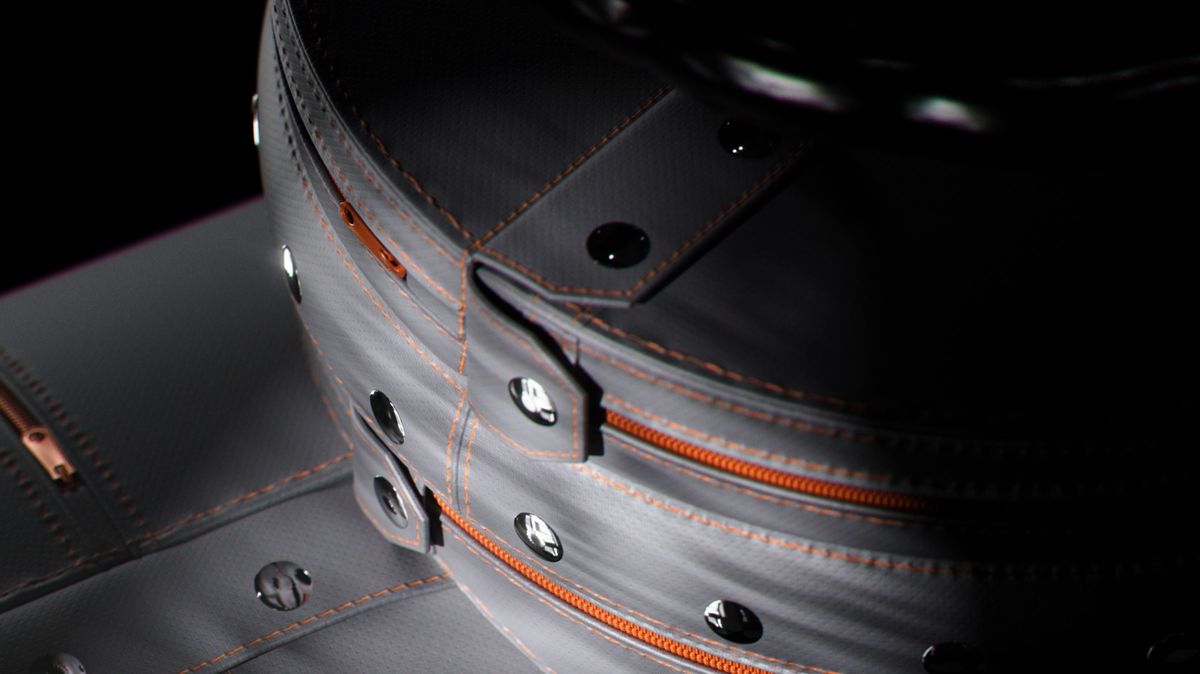
Kilns, furnaces, boilers, heat exchangers, valves and steam lines on sites like this lose energy continuously. Inzonex makes patented removable modular insulation for hot industrial equipment:
Carandaí Cement Plant is a cement plant in Brazil. It burns limestone in high-temperature rotary kilns to make clinker and cement.
Carandaí Cement Plant has a reported capacity of 3,400,000 t of cement.
Carandaí Cement Plant emits about 1,325,374 tonnes of CO₂e per year (Climate TRACE) — roughly the tailpipe emissions of 308,945 cars. That ranks #24 among tracked facilities in Brazil.
Carandaí Cement Plant is in Brazil, near coordinates -20.89936, -43.81896.
Carandaí Cement Plant is operated by Cimento Tupi SA.
