Textiles in United States. Approximate location 33.80739, -118.0273.
TextilesUnited StatesCO₂ reported
Hybrid Apparel is a textile mill in United States with a reported capacity of 463,021,579 USD. It spins, dyes and finishes textiles, leather or apparel using process steam. By capacity it ranks #133 of 139 textile mills tracked in United States. It emits about 13,256 tonnes of CO₂e per year (Climate TRACE) — roughly the tailpipe emissions of 3,090 cars. Its CO₂ per unit of capacity is about 31% above the median textile mill.
Facility data: Climate TRACE v6 (asset-level capacity & CO₂e, CC BY 4.0), id ct-38479620.
Con 463,021,579 USD, Hybrid Apparel è attorno a la mediana di textile mill in United States (463,021,579 USD). Sottosettore: textiles-leather-apparel. Come textile mill, richiede calore di processo intenso (tipicamente 60–150°C) per le sue operazioni industriali essenziali — calore che deve essere fornito da caldaie, forni o combustione diretta, e le perdite attraverso recipienti e tubazioni non isolati rappresentano carburante sprecato. L'isolamento modulare removibile può ridurre queste perdite dell'80–96%, raffreddando superfici a ≤45°C, con payback spesso inferiore a 2 anni. I mulini tessili utilizzano vapore di processo per la tintura, la rifinizione e l'asciugatura, spesso richiedendo un controllo della temperatura rigoroso in lunghe durate di funzionamento — la perdita di calore continua erode i profitti.
Confronto di capacità e intensità di CO₂ calcolato dai dati delle strutture industriali Climate TRACE; ruolo del settore basato su riferimento ingegneristico.
This facility's reported annual CO₂e in the everyday equivalents from the US EPA Greenhouse Gas Equivalencies calculator:
Equivalencies: US EPA Greenhouse Gas Equivalencies. Emissions: Climate TRACE.
Reported capacity (USD), Climate TRACE v6 (asset-level capacity & CO₂e, CC BY 4.0).
Hybrid Apparel sits in a cold semi-arid steppe climate zone (Köppen BSk), at 33.8°N in the northern hemisphere.
Köppen zone: Köppen-Geiger world climate classification (Kottek et al. 2006, 0.5° grid).
The #133 largest of 139 textile mills in United States by reported capacity.
Coordinates 33.80739, -118.0273. View on OpenStreetMap.
Kilns, furnaces, boilers, heat exchangers, valves and steam lines on sites like this lose energy continuously. Inzonex makes patented removable modular insulation for hot industrial equipment:
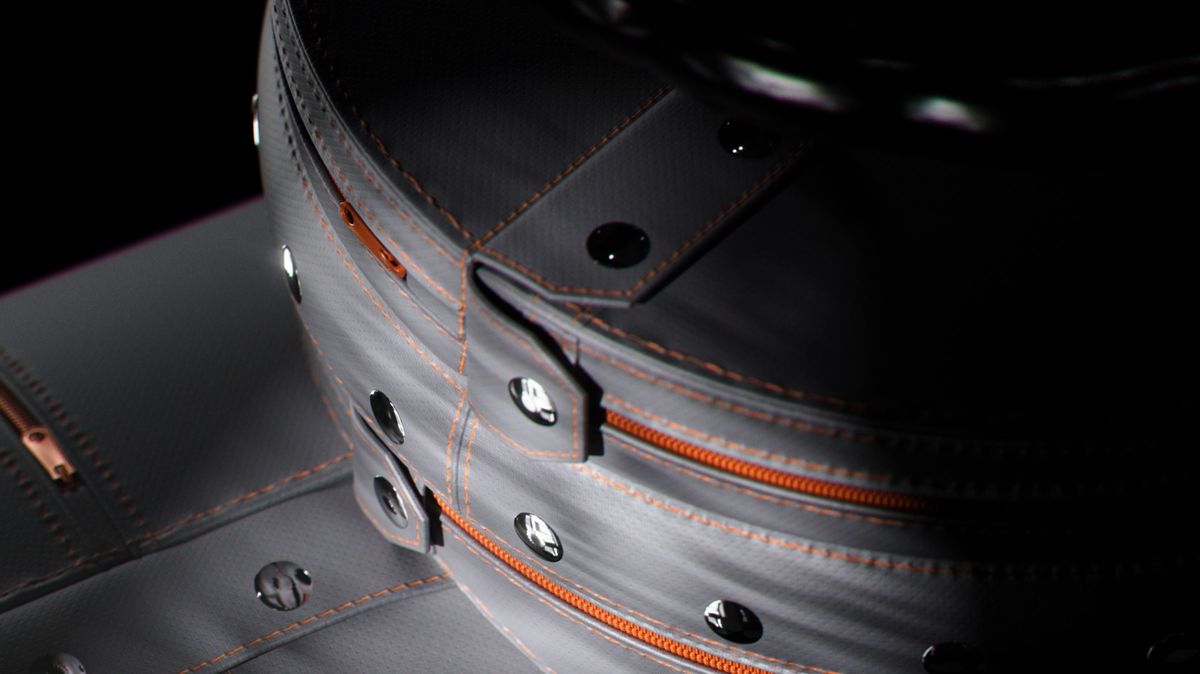
Hybrid Apparel is a textile mill in United States. It spins, dyes and finishes textiles, leather or apparel using process steam.
Hybrid Apparel has a reported capacity of 463,021,579 USD.
Hybrid Apparel emits about 13,256 tonnes of CO₂e per year (Climate TRACE) — roughly the tailpipe emissions of 3,090 cars. That ranks #1848 among tracked facilities in United States.
Hybrid Apparel is in United States, near coordinates 33.80739, -118.0273.
