Textiles in Sri Lanka. Approximate location 7.13152, 80.12122.
TextilesSri LankaCO₂ reported
Crystal Martin Ceylon Wathupitiwala is a textile mill in Sri Lanka with a reported capacity of 40,120,535 USD. It spins, dyes and finishes textiles, leather or apparel using process steam. By capacity it ranks #107 of 112 textile mills tracked in Sri Lanka. It emits about 878 tonnes of CO₂e per year (Climate TRACE) — roughly the tailpipe emissions of 205 cars.
Facility data: Climate TRACE v6 (asset-level capacity & CO₂e, CC BY 4.0), id ct-38478962.
Con 40,120,535 USD, Crystal Martin Ceylon Wathupitiwala è attorno a la mediana di textile mill in Sri Lanka (40,120,535 USD). Sottosettore: textiles-leather-apparel. Come textile mill, richiede calore di processo intenso (tipicamente 60–150°C) per le sue operazioni industriali essenziali — calore che deve essere fornito da caldaie, forni o combustione diretta, e le perdite attraverso recipienti e tubazioni non isolati rappresentano carburante sprecato. L'isolamento modulare removibile può ridurre queste perdite dell'80–96%, raffreddando superfici a ≤45°C, con payback spesso inferiore a 2 anni. I mulini tessili utilizzano vapore di processo per la tintura, la rifinizione e l'asciugatura, spesso richiedendo un controllo della temperatura rigoroso in lunghe durate di funzionamento — la perdita di calore continua erode i profitti.
Confronto di capacità e intensità di CO₂ calcolato dai dati delle strutture industriali Climate TRACE; ruolo del settore basato su riferimento ingegneristico.
This facility's reported annual CO₂e in the everyday equivalents from the US EPA Greenhouse Gas Equivalencies calculator:
Equivalencies: US EPA Greenhouse Gas Equivalencies. Emissions: Climate TRACE.
Reported capacity (USD), Climate TRACE v6 (asset-level capacity & CO₂e, CC BY 4.0).
Crystal Martin Ceylon Wathupitiwala sits in a tropical rainforest climate zone (Köppen Af), at 7.1°N in the northern hemisphere.
Köppen zone: Köppen-Geiger world climate classification (Kottek et al. 2006, 0.5° grid).
The #107 largest of 112 textile mills in Sri Lanka by reported capacity.
Coordinates 7.13152, 80.12122. View on OpenStreetMap.
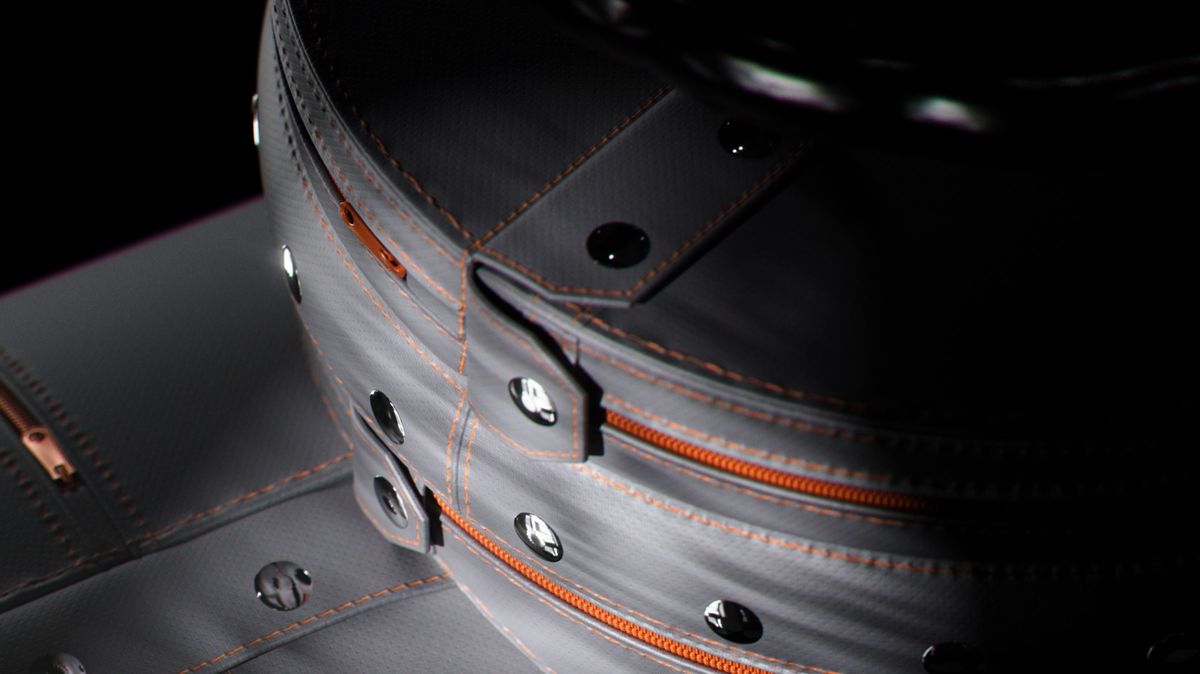
Kilns, furnaces, boilers, heat exchangers, valves and steam lines on sites like this lose energy continuously. Inzonex makes patented removable modular insulation for hot industrial equipment:
Crystal Martin Ceylon Wathupitiwala is a textile mill in Sri Lanka. It spins, dyes and finishes textiles, leather or apparel using process steam.
Crystal Martin Ceylon Wathupitiwala has a reported capacity of 40,120,535 USD.
Crystal Martin Ceylon Wathupitiwala emits about 878 tonnes of CO₂e per year (Climate TRACE) — roughly the tailpipe emissions of 205 cars. That ranks #30 among tracked facilities in Sri Lanka.
Crystal Martin Ceylon Wathupitiwala is in Sri Lanka, near coordinates 7.13152, 80.12122.
