Textiles in United States. Approximate location 44.79258, -93.25952.
TextilesUnited StatesCO₂ reported
Apothecary Products is a textile mill in United States with a reported capacity of 463,021,579 USD. It spins, dyes and finishes textiles, leather or apparel using process steam. By capacity it ranks #44 of 139 textile mills tracked in United States. It emits about 13,256 tonnes of CO₂e per year (Climate TRACE) — roughly the tailpipe emissions of 3,090 cars. Its CO₂ per unit of capacity is about 31% above the median textile mill.
Facility data: Climate TRACE v6 (asset-level capacity & CO₂e, CC BY 4.0), id ct-38475973.
Con 463,021,579 USD, Apothecary Products está alrededor de la mediana de textile mill en United States (463,021,579 USD). Subsector: textiles-leather-apparel. Como textile mill, requiere calor de proceso intenso (típicamente 60–150°C) para sus operaciones industriales centrales — calor que debe ser suministrado por calderas, hornos o combustión directa, y las pérdidas a través de recipientes y tuberías sin aislar representan combustible desperdiciado. El aislamiento modular desmontable puede reducir esas pérdidas en un 80–96%, enfriando superficies a ≤45°C, con amortización a menudo inferior a 2 años. Las fábricas textiles utilizan vapor de proceso para teñido, acabado y secado, a menudo requiriendo control de temperatura muy ajustado durante largos tiempos de funcionamiento — la pérdida de calor continua erosiona ganancias.
Comparación de capacidad e intensidad de CO₂ calculada a partir de datos de instalaciones industriales de Climate TRACE; papel del sector basado en referencia de ingeniería.
This facility's reported annual CO₂e in the everyday equivalents from the US EPA Greenhouse Gas Equivalencies calculator:
Equivalencies: US EPA Greenhouse Gas Equivalencies. Emissions: Climate TRACE.
Reported capacity (USD), Climate TRACE v6 (asset-level capacity & CO₂e, CC BY 4.0).
Apothecary Products sits in a hot-summer humid continental climate zone (Köppen Dfa), at 44.8°N in the northern hemisphere.
Köppen zone: Köppen-Geiger world climate classification (Kottek et al. 2006, 0.5° grid).
The #44 largest of 139 textile mills in United States by reported capacity.
Coordinates 44.79258, -93.25952. View on OpenStreetMap.
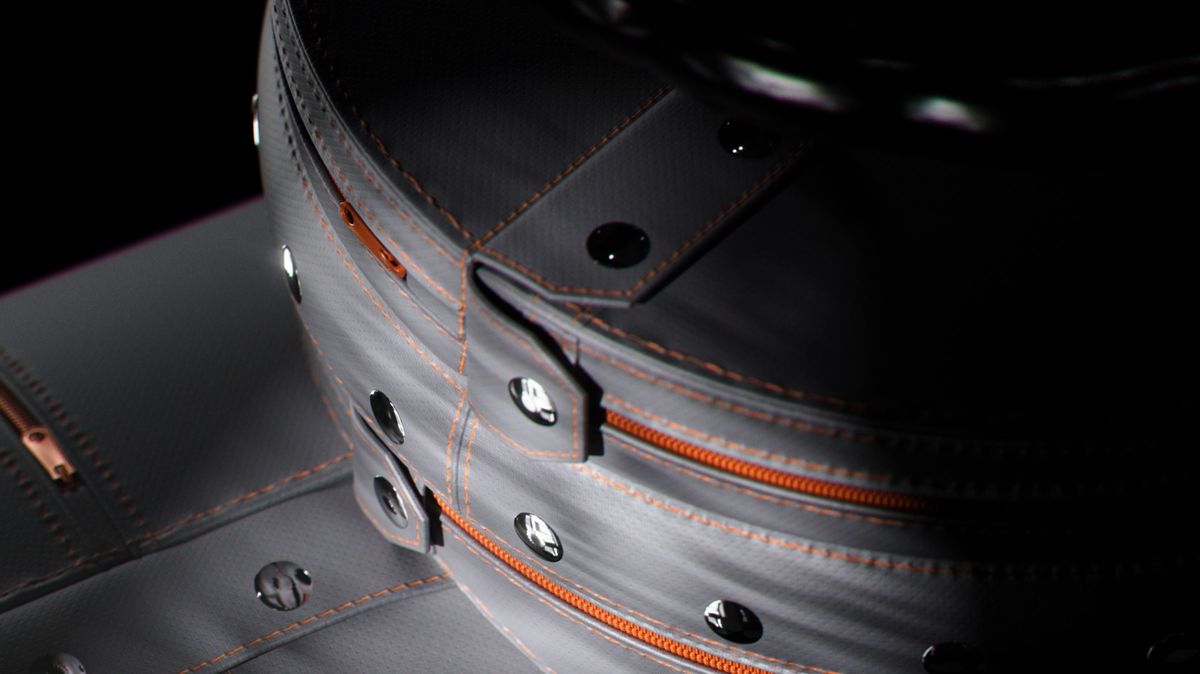
Kilns, furnaces, boilers, heat exchangers, valves and steam lines on sites like this lose energy continuously. Inzonex makes patented removable modular insulation for hot industrial equipment:
Apothecary Products is a textile mill in United States. It spins, dyes and finishes textiles, leather or apparel using process steam.
Apothecary Products has a reported capacity of 463,021,579 USD.
Apothecary Products emits about 13,256 tonnes of CO₂e per year (Climate TRACE) — roughly the tailpipe emissions of 3,090 cars. That ranks #1826 among tracked facilities in United States.
Apothecary Products is in United States, near coordinates 44.79258, -93.25952.
