Cement Plant in Brazil. Approximate location -20.89936, -43.81896.
Cement PlantBrazilCO₂ reported
Carandaí Cement Plant is a cement plant in Brazil with a reported capacity of 3,400,000 t of cement. It burns limestone in high-temperature rotary kilns to make clinker and cement. It is operated by Cimento Tupi SA. By capacity it ranks #5 of 57 cement plants tracked in Brazil. It emits about 1,325,374 tonnes of CO₂e per year (Climate TRACE) — roughly the tailpipe emissions of 308,945 cars. Its CO₂ per unit of capacity is about 8% above the median cement plant.
Facility data: Climate TRACE v6 (asset-level capacity & CO₂e, CC BY 4.0), id ct-1895261.
Bei 3,400,000 t of cement ist Carandaí Cement Plant deutlich über dem Medianwert von cement plant in Brazil (1,461,000 t of cement). Sein CO₂ pro Kapazitätseinheit liegt ungefähr 19% über dem Medianwert von cement plant. Untersektor: cement. Als cement plant benötigt es intensive Prozesswärme (typischerweise 800–1400°C) für seinen Kernbetrieb — Wärme, die durch Dampfkessel, Öfen oder direkte Verbrennung geliefert werden muss, und Verluste durch ungedämmte Behälter und Rohrleitungen stellen verschwendeten Brennstoff dar. Modulare abnehmbare Dämmung kann diese Verluste um 80–96% senken, Oberflächen auf ≤45°C kühlen, mit Amortisationszeiten oft unter 2 Jahren. Zementanlagen erhitzen Kalkstein auf 1.400°C in Drehrohröfen — einer der heißesten Industrieprozesse — und müssen die Temperatur über die gesamte Ofenlänge präzise kontrollieren.
Vergleich von Kapazität und CO₂-Intensität berechnet aus Climate TRACE Industrieanlagendaten; Sektorrolle basierend auf Ingenieurreferenz.
This facility's reported annual CO₂e in the everyday equivalents from the US EPA Greenhouse Gas Equivalencies calculator:
Equivalencies: US EPA Greenhouse Gas Equivalencies. Emissions: Climate TRACE.
Reported capacity (t of cement), Climate TRACE v6 (asset-level capacity & CO₂e, CC BY 4.0).
Operated by Cimento Tupi SA. All facilities by this operator →
Carandaí Cement Plant sits in a humid subtropical (dry winter) climate zone (Köppen Cwa), at 20.9°S in the southern hemisphere.
Köppen zone: Köppen-Geiger world climate classification (Kottek et al. 2006, 0.5° grid).
The #5 largest of 57 cement plants in Brazil by reported capacity.
Coordinates -20.89936, -43.81896. View on OpenStreetMap.
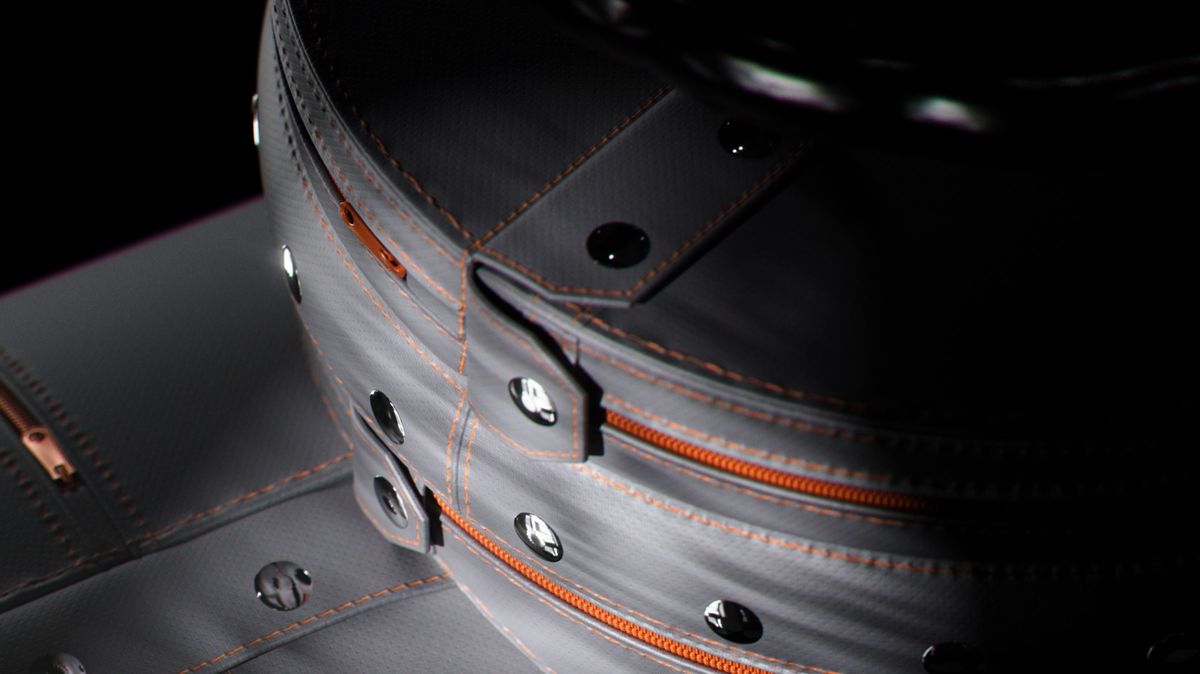
Kilns, furnaces, boilers, heat exchangers, valves and steam lines on sites like this lose energy continuously. Inzonex makes patented removable modular insulation for hot industrial equipment:
Carandaí Cement Plant is a cement plant in Brazil. It burns limestone in high-temperature rotary kilns to make clinker and cement.
Carandaí Cement Plant has a reported capacity of 3,400,000 t of cement.
Carandaí Cement Plant emits about 1,325,374 tonnes of CO₂e per year (Climate TRACE) — roughly the tailpipe emissions of 308,945 cars. That ranks #24 among tracked facilities in Brazil.
Carandaí Cement Plant is in Brazil, near coordinates -20.89936, -43.81896.
Carandaí Cement Plant is operated by Cimento Tupi SA.
