Kraj: Malezja. 12 monitorowanych instalacji w sektorze cement emituje łącznie około 9,226,737 t CO₂/rok. Przedstawiamy największych emitentów, orientacyjną wartość CO₂ i ścieżkę redukcji.
| Metryka | Wartość | Uwaga |
|---|---|---|
| Monitorowane instalacje | 12 | z szacunkami CO₂ |
| Łączne szacowane CO₂ | 9,226,737 t/yr | Climate TRACE 2023 |
| Średnio na instalację | 768,895 t/yr | |
| Wartość brutto (pełna cena) | €695M/yr | całe monitorowane CO₂ × €75.36/t CBAM ref — przed bezpłatnym przydziałem i udziałem eksportu do UE |
W tym hubie nie odnotowano instrumentu wyceny emisji dla tego kraju. Eksporterzy towarów CBAM do UE nadal płacą cenę graniczną bez odliczenia krajowej ceny emisji.
| # | Instalacja | Owner | t CO2/rok (szac. 2023) | Wartość orientacyjna |
|---|---|---|---|---|
| 1 | Malayan Cement Langkawi Cement Plant | Malayan Cement Bhd | 1,234,038 | €93.0M |
| 2 | Malayan Cement Kanthan Cement Plant | Malayan Cement Bhd | 1,112,057 | €83.8M |
| 3 | Hume Cement Gopeng Cement Plant | Hume Cement Sdn Bhd | 1,109,576 | €83.6M |
| 4 | Malayan Cement Rawang Cement Plant | Malayan Cement Bhd | 1,002,324 | €75.5M |
| 5 | Malayan Cement Padang Rengas Cement Plant | Malayan Cement Bhd | 987,214 | €74.4M |
| 6 | Negeri Sembilan Cement Industries Bahau Cement Plant | Negeri Sembilan Cement Industries Sdn Bhd | 896,003 | €67.5M |
| 7 | Tasek Corporation Ipoh Cement Plant | Tasek Corporation Bhd | 751,698 | €56.6M |
| 8 | Cement Industries Perlis Cement Plant | Negeri Sembilan Cement Industries Sdn Bhd | 744,790 | €56.1M |
| 9 | YTL Bukit Sagu Cement Plant | YTL Cement Bhd | 480,995 | €36.2M |
| 10 | CMS Cement Siburan Cement Plant | Cahya Mata Cement Sdn Bhd | 372,320 | €28.1M |
Satelitarne szacunki Climate TRACE za pośrednictwem IndustryAtlas — dane modelowane, niezweryfikowane; część wpisów agreguje klastry instalacji. Przyjmujemy korekty poparte dowodami.
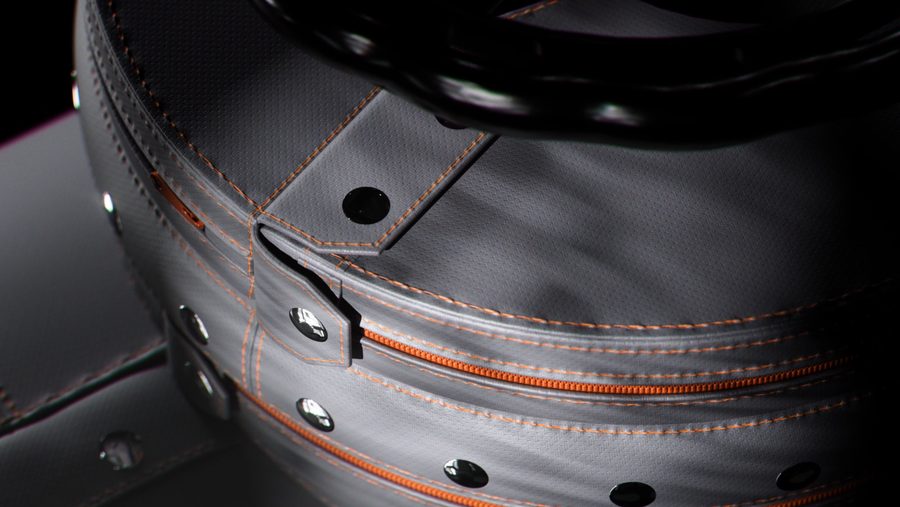
Kotły, piece, wymienniki ciepła, zawory i linie parowe tracą energię w sposób ciągły. Inzonex produkuje Inzonex Modular Insulation — moduły zatrzaskowe projektowane pod próg temperatury, nie uniwersalne maty z półki:
Każda tona, której nie emitujesz, to tona, której nie musisz raportować: ograniczenie straty ciepła to mierzalna, audytowalna redukcja w zakresie 1 (Scope 1) która trafia wprost do EU ETS, CBAM i Twoich raportów ESG / CSRD — nie kompensacja, lecz realna redukcja emisji.
