Decarbonization is a sequencing problem. With CO2 at €80.01/t and free allocation ending in 2034, the question isn't «whether» — it's どのトンを最初に削減するか。公表された削減データが裏付けるメリットオーダーは次の通りです。
すべての数値は次の1トン当たり: Scope 1(直接)排出 削減。
Everything below ≈€80.01/t is 排出枠より安い — あなたの2026〜2034年のETS/CBAM請求に対する純粋なアービトラージ。ステップ1〜3は通常、プロセスに触れずに燃料関連CO2の10〜25%を削減します。出典: IEAの産業ロードマップ、公表された限界削減コスト研究; 範囲は指標的かつ現場固有です。
| セクター | 典型的な原単位 | 順序立てた道筋 |
|---|---|---|
| セメント | ≈0.7 t/t | 効率化 → クリンカー代替 → 代替燃料 → CCS(焼成は化学的: 深い削減にはCCSが避けられない) |
| 鉄鋼 | 1.9 t/t(BF-BOF) | 効率化 → スクラップ/EAFの割合 → H2-DRI(Hybrit型) → CCS |
| 化学/アンモニア | ≈2.0 t/t NH3 | 効率化 → 電化された蒸気 → グリーンH2原料 |
| 食品・飲料 | 低原単位、熱が多い | 断熱 + ヒートポンプ + バイオガス — 今日の技術でしばしば完全に脱炭素可能 |
| 電力(ガス) | 0.37 t/MWh | 効率/熱効率 → 再生可能エネルギーによる置き換え → H2対応タービン |
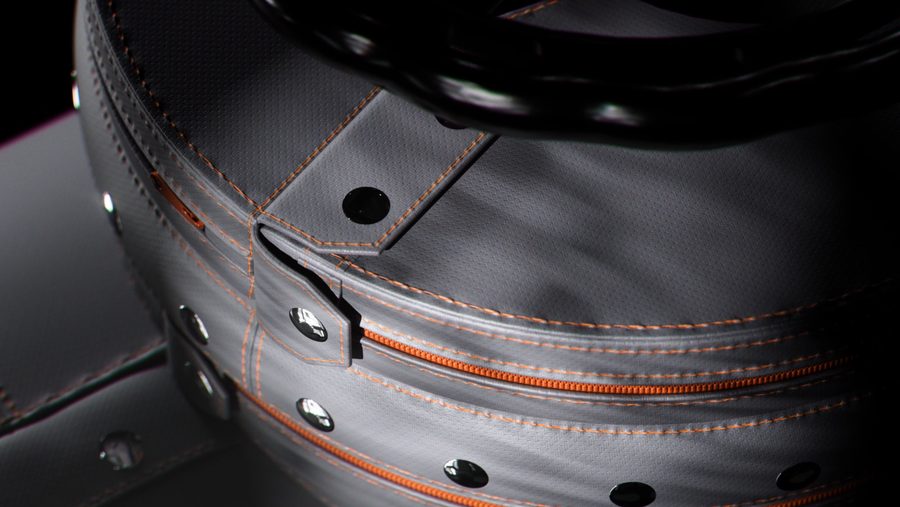
ボイラー、キルン、熱交換器、バルブ、蒸気ラインは継続的にエネルギーを失います。Inzonexは次を作ります: Inzonex Modular Insulation — snap-fastened modules engineered per temperature tier, not generic off-the-shelf jackets:
Every tonne you stop emitting is a tonne you don't have to report: cutting heat loss is a measurable, auditable Scope 1 reduction that flows straight into EU ETS, CBAM and your ESG / CSRD disclosures — not an offset, an actual emission cut.
Hydrogen prices, CCS availability and grid carbon intensity are all uncertain. Fuel you stop wasting is not. A tonne avoided through insulation or heat recovery: pays back in up to 2 years at today's gas prices alone; earns €80.01 of avoided allowances on top (rising to full price by 2034); needs no new infrastructure, permits or process risk. That's why the IEA puts efficiency first in every industry roadmap — and why your decarbonization plan should start at the valves and flanges, not at the hydrogen pipeline. あなたのプラントのステップ1を定量化する.
実務的な計画は順序立てます: 1〜2年目にマイナスコストの節約(断熱、トラップ、制御)を貯める → 2〜5年目に廃熱回収と電化に再投資する → 化学が要求する場合にのみH2/CCSを契約する。ステップ1を飛ばすプラントは、いまだ裸の鋼材を通じて燃やし続けているお金で水素プロジェクトに資金を投じることになります。
