A radiometric infrared survey of the Cochran steam boiler at a UK commercial laundry, before and after Inzonex modular removable panels — verified to ISO 12241, with a measured boiler-room ambient drop.
Boiler house: 28 components · payback under 10 months · surface ≤45 °C from up to +320 °C.
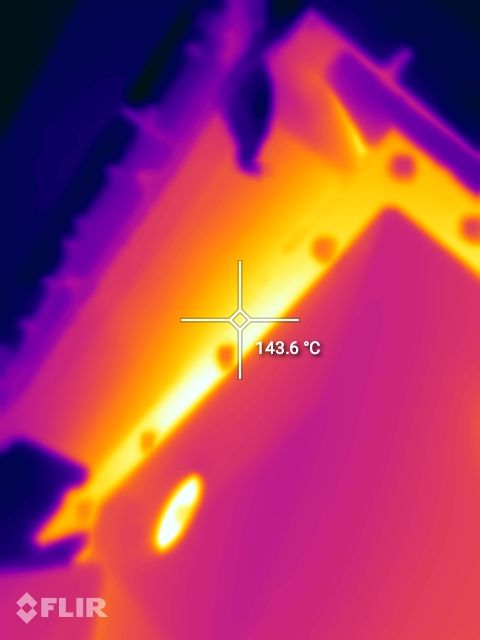
Across the boiler house the Cochran shell, economizer, valves and steam lines ran bare up to 148 °C — radiating straight into the room. Rigid cladding and metal boxes leave exactly these access points open.
Bare boiler plate, economizer and valves up to 148 °C dumping heat into the boiler house.
Uninsulated metal far above the 45 °C touch-safe limit (ISO 13732-1) at working height.
Audit and panel the bare spots — removable in minutes for service — not rip-and-replace.
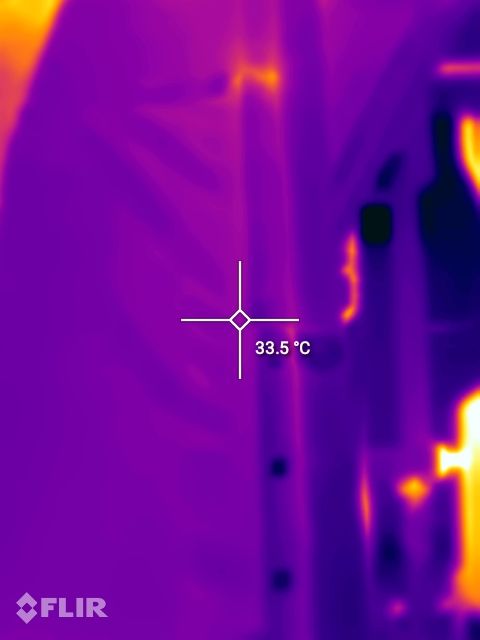
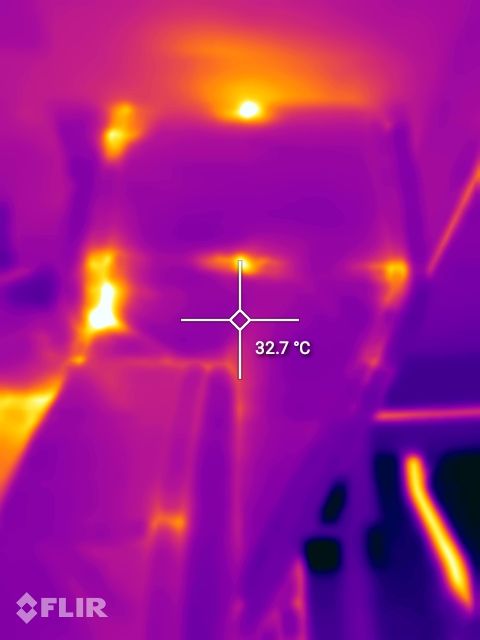
Three components from the boiler house — FLIR Tx-series, bare vs Inzonex panels, same load and same ambient. Values are the camera's on-image spot markers.


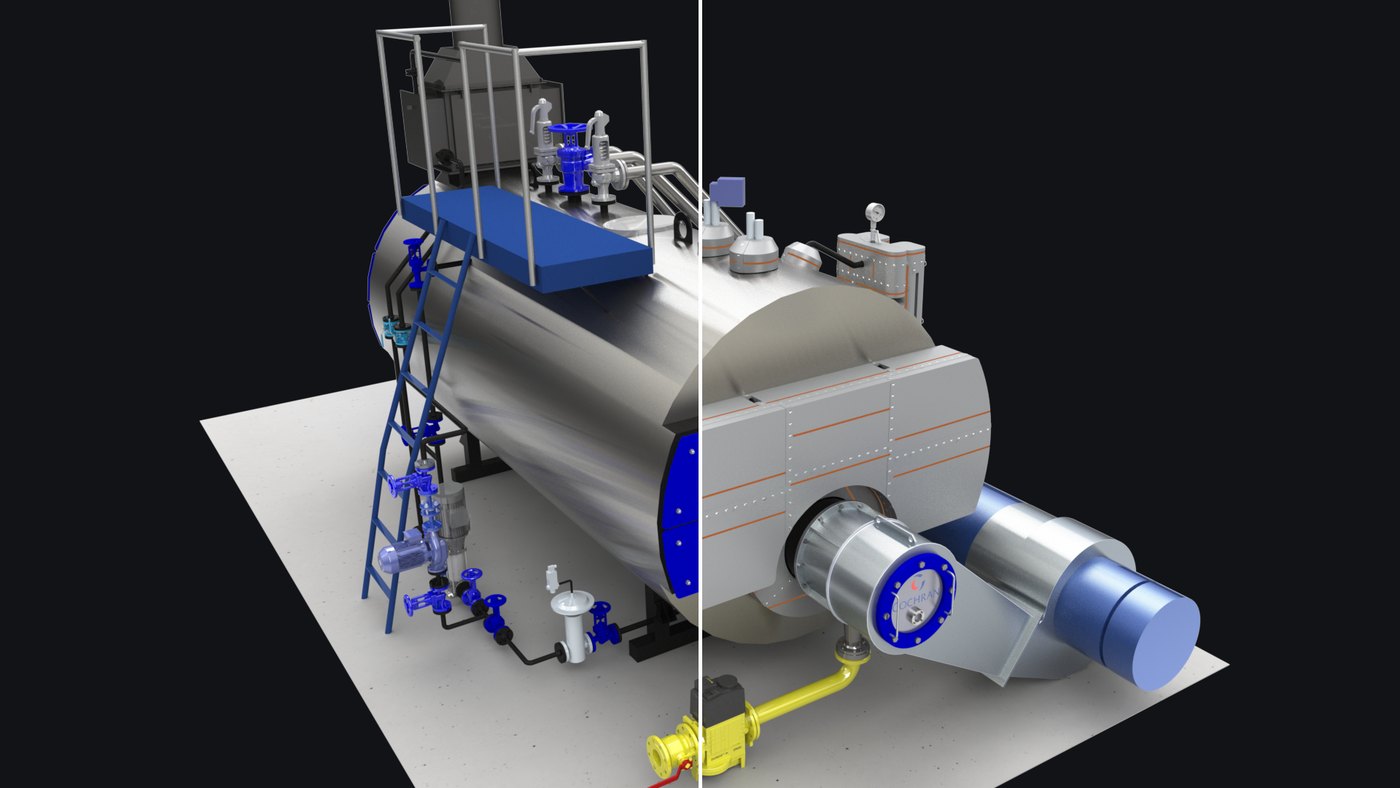
Drag the slider across the Cochran boiler in 3D: bare metal on one side, Inzonex modular removable panels on the other — across six views (iso, back plate, top, feed-water line and boiler door), with the savings per boiler.

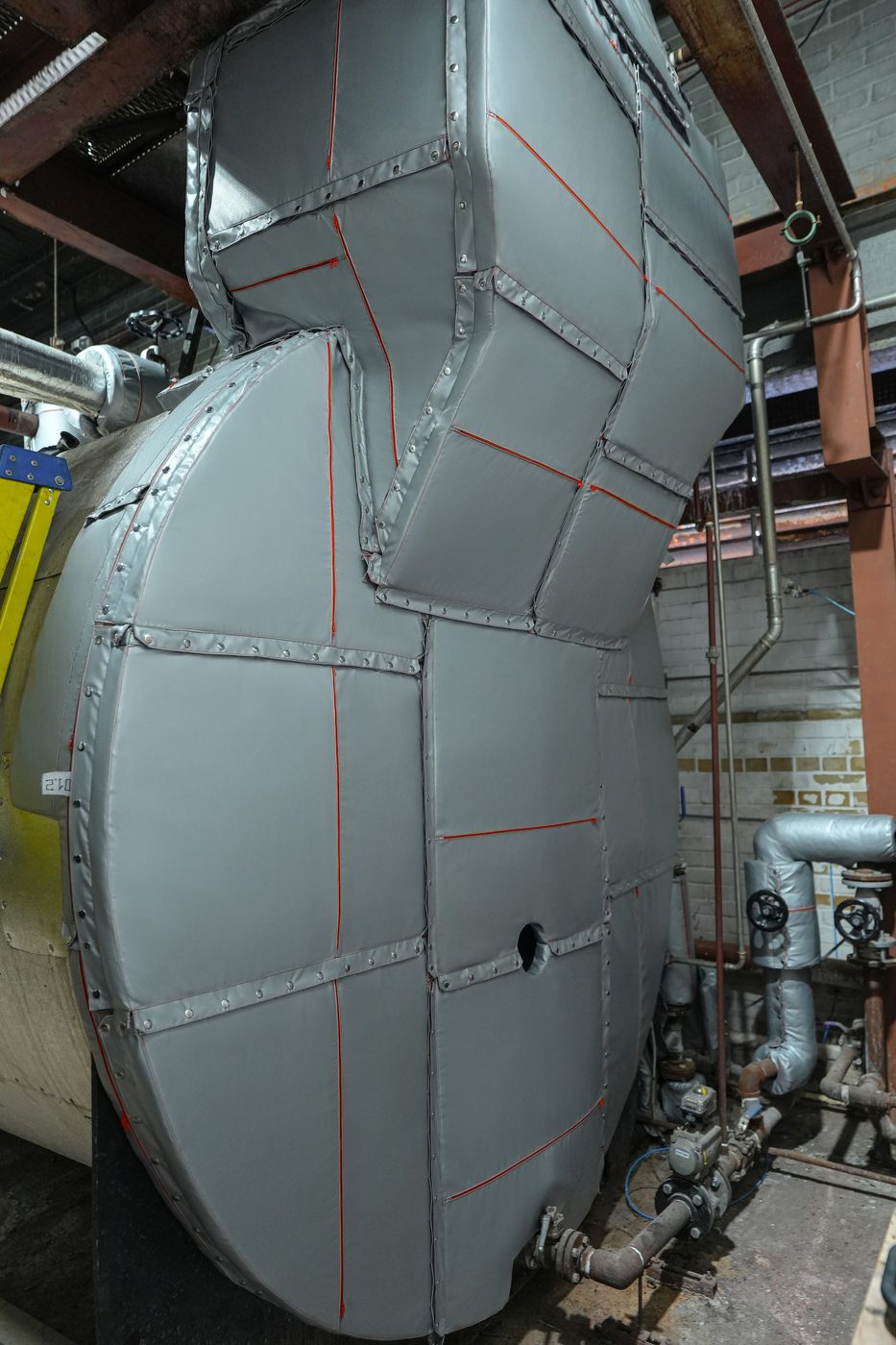
Front plate, economizer and manhole panelled; the back plate is removable in 2 minutes.

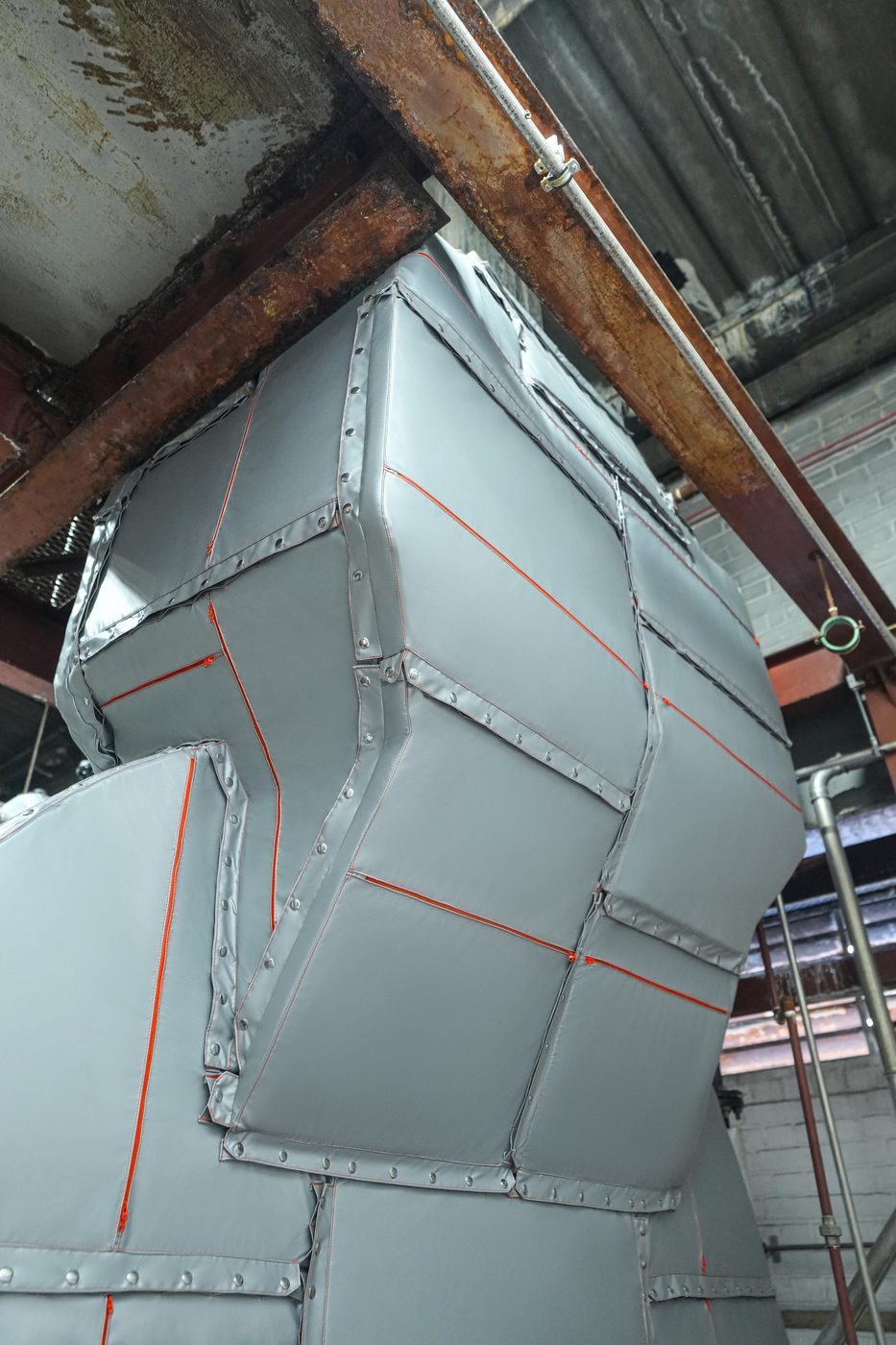
Economizer box closed off in shaped modular sections; snap-fastened seams.

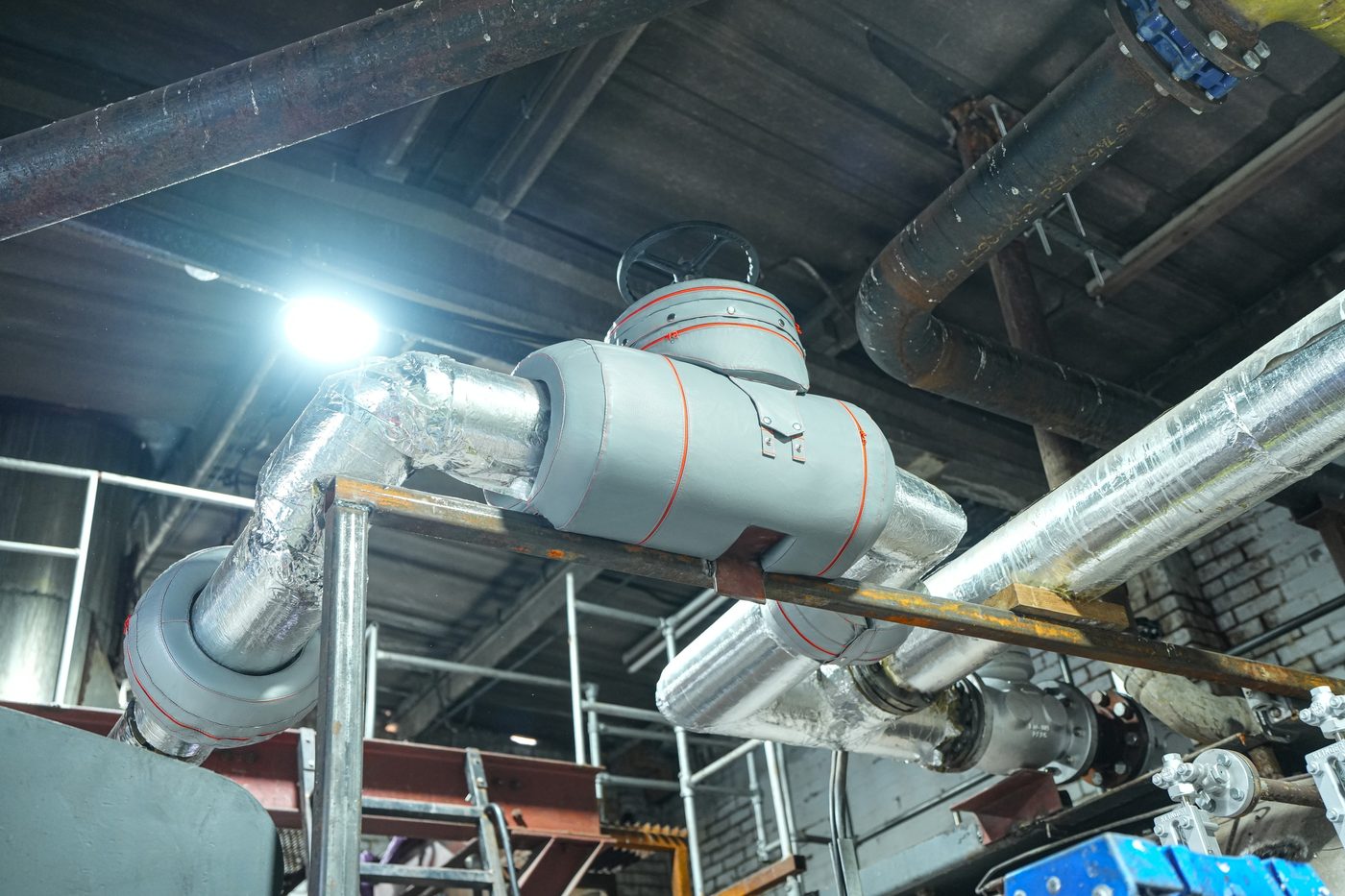
Valve body panelled; hand-wheel left clear for operation.
Radiometric infrared with a FLIR Tx-series (ε 0.95 fabric / 0.30 bare carbon steel, 480×640 px, steady-state — identical load and ambient before and after). Box ROI per ISO 18434-1, not single spots; surface touch-safety to ISO 13732-1 (≤45 °C, 60 s contact).
Steady-state heat transfer to ISO 12241 / BS EN ISO 13787: air velocity v = 0.5 m/s, 50 mm insulation, ambient 28 °C, boiler efficiency 88%, energy £60/MWh, 5,840 h/yr — the inputs disclosed in the Inzonex field report. The same engine powers the public Inzonex calculators.
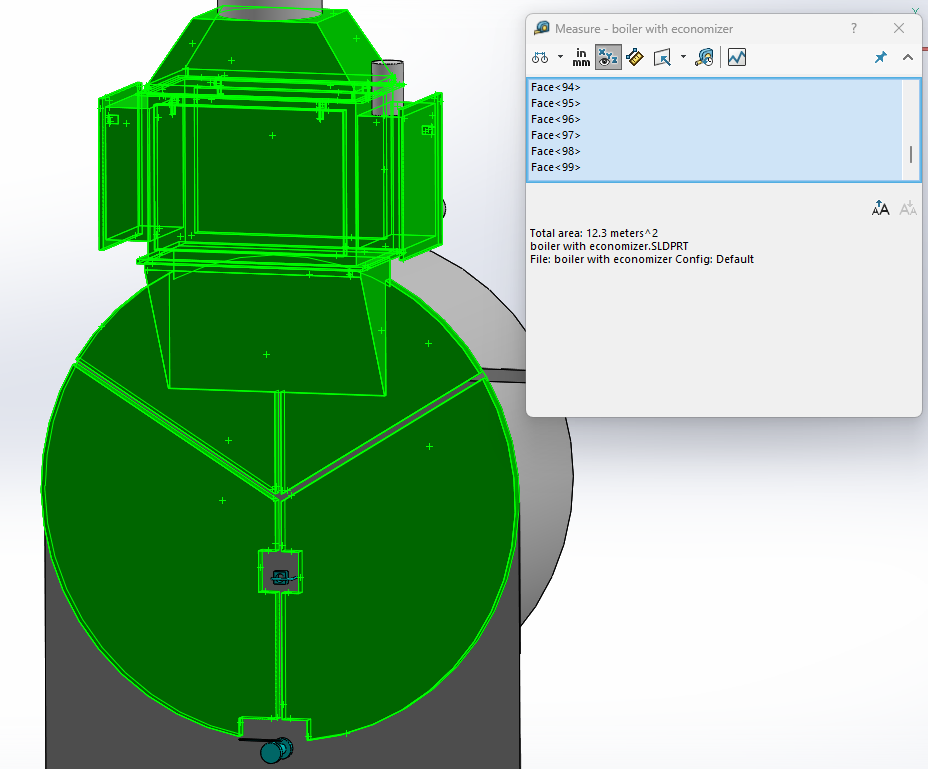
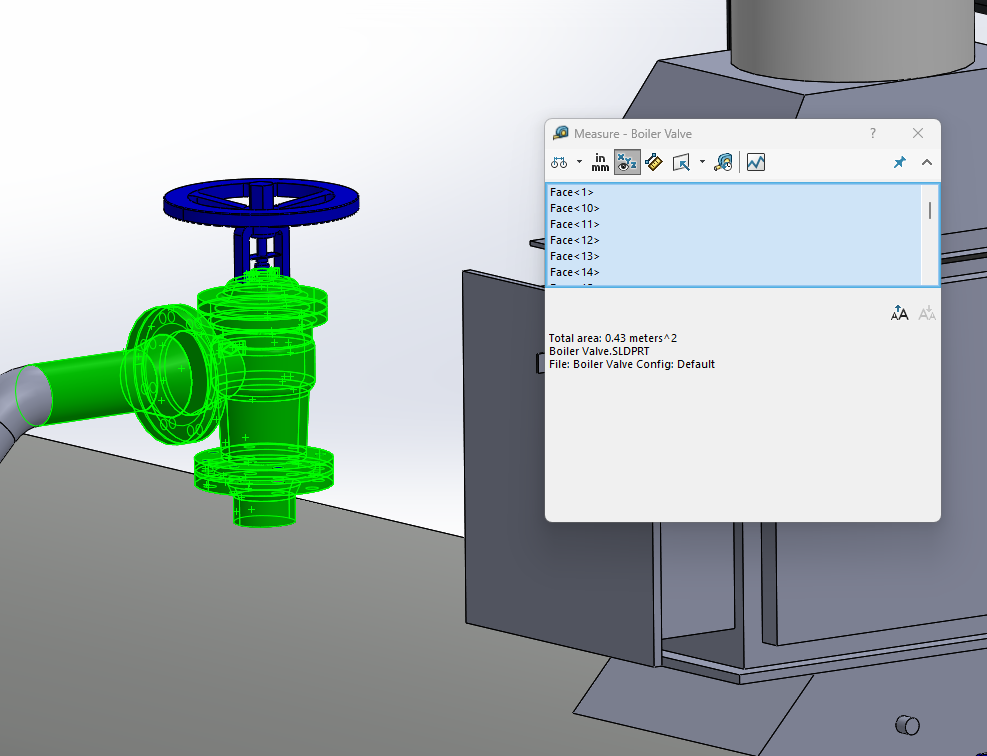
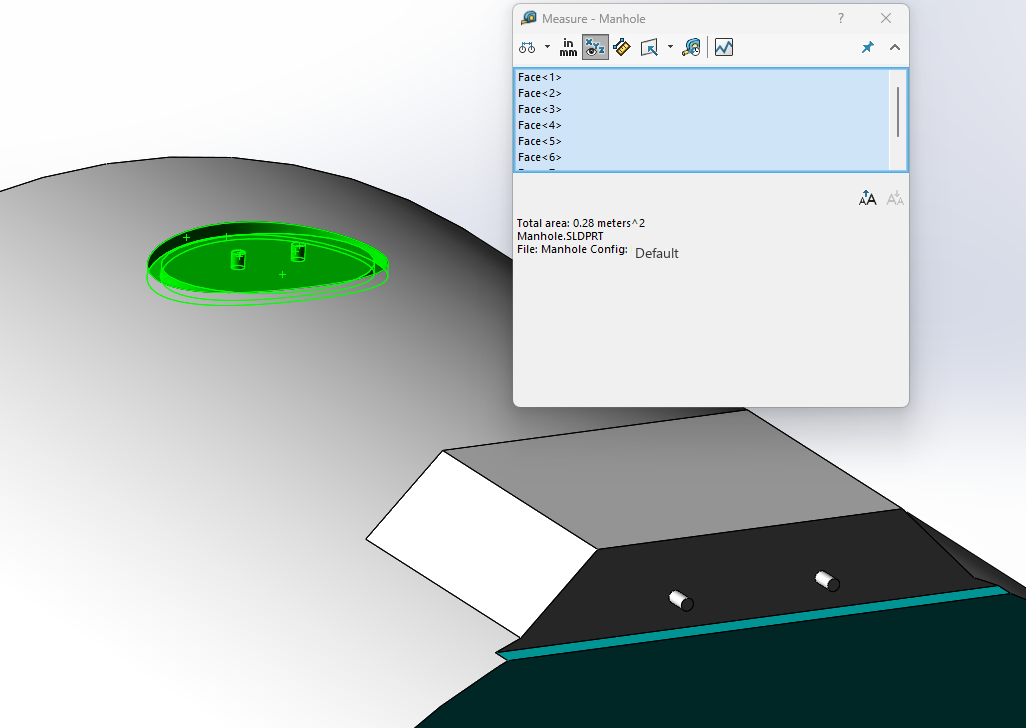
Each component is rebuilt in CAD from the field-surveyed boiler, and its smooth outer surface area is measured straight off the model — the figures below are the bare geometry, without bolts, nuts, weld seams or surface irregularities. Those enlarge the real radiating and convecting area, so a ×1.4 roughness factor is applied in the heat-loss calculation only (a thermal correction — it does not change the insulation quantity).

Bare ~130 °C → panel ≤45 °C touch-safe. The boiler front plate and economizer box — the largest insulated faces.

Bare ~180 °C → panel ≤45 °C touch-safe. Main valve body panelled; hand-wheel left clear.

Bare ~180 °C → panel ≤45 °C touch-safe. Steam-side shell access cover; removable in 2 minutes for inspection.
Areas measured straight off the as-found CAD models (SolidWorks) as smooth geometry; a ×1.4 roughness factor for bolts, seams and irregularities is applied in the heat-transfer calculation only (not the insulation quantity). Boiler-house saving: 313 MWh/yr · £18,800/yr across 28 covers (ISO 12241, smooth area × 1.4; Inzonex field report INZ-2026-CBH-001).
| Component (boiler house) | Bare — before | Panel — after | Drop | Reduction* |
|---|---|---|---|---|
| Boiler plate | 148 °C | 34 °C | 114 °C | 95% |
| Economizer | 144 °C | 33 °C | 111 °C | 96% |
Camera spot markers, FLIR Tx-series, May 2026. *Surface heat-loss reduction = 1 − (T_panel − T_amb)/(T_bare − T_amb), T_amb 28 °C. All panel surfaces touch-safe (≤45 °C, ISO 13732-1).
| Scope | Components | MWh/yr | £/yr | CO₂ t/yr |
|---|---|---|---|---|
| Boiler house | 28 | 313 | £18,800 | ~58 |
Per-component ISO 12241 calculations rolled up (v = 0.5 m/s, 50 mm, ambient 28 °C, boiler efficiency 88%, £60/MWh, 5,840 h/yr; CO₂ via GHG Protocol Scope 1, natural gas). Payback under 10 months from commissioning. Source: Inzonex field report INZ-2026-CBH-001.
Every insulated component, with its CAD surface area — the same per-component basis as the public laundry calculator. Area shown is the smooth CAD surface × 1.4 (bolts, seams, irregularities) — the radiating/convecting area used in the ISO 12241 heat-loss calc.
| Component | Qty | Bare °C | Panel °C | Area m² |
|---|---|---|---|---|
| Boiler door (front) | 1 | 120 | ≤45 | 5.3 |
| Backside of boiler | 1 | 130 | ≤45 | 5.3 |
| Economizer | 1 | 126 | ≤45 | 11.3 |
| Check valve (steam) | 1 | 180 | ≤45 | 0.9 |
| Main valve (steam) | 1 | 180 | ≤45 | 0.6 |
| Safety valves | 2 | 180 | ≤45 | 0.7 |
| Manhole | 1 | 180 | ≤45 | 0.4 |
| Steam-side flanges | 2 | 180 | ≤45 | 0.3 |
| Flanged sensors | 2 | 180 | ≤45 | 0.2 |
| CR feed-water pump | 1 | 100 | ≤45 | 1.5 |
| Globe valve | 1 | 100 | ≤45 | 0.4 |
| Return valves | 3 | 100 | ≤45 | 0.8 |
| Piping + flange w/ pipe | 8 | 100 | ≤45 | 1.2 |
| Filter | 1 | 100 | ≤45 | 0.4 |
| Bottom flanges | 2 | 100 | ≤45 | 0.5 |
| Total — boiler house | 28 | — | ≤45 | ~30 |
15 component types · 28 covers. All panel surfaces ≤45 °C touch-safe (ISO 13732-1). Surface temperatures from the radiometric FLIR survey; areas from CAD (smooth × 1.4). Source: Inzonex field report INZ-2026-CBH-001.
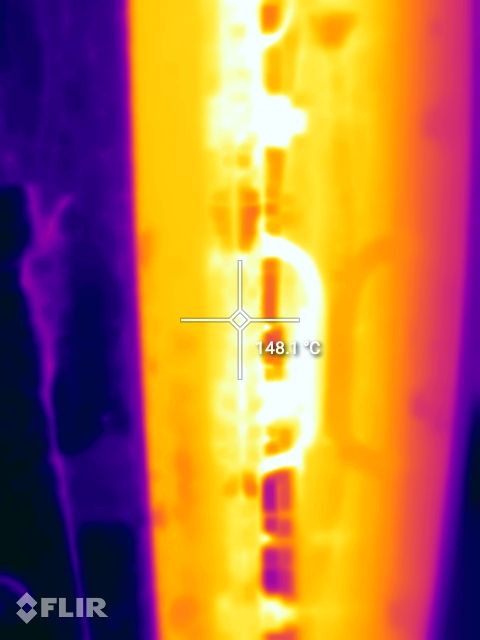
Heat that no longer leaks from bare metal stays in the steam loop — and the room cools. The boiler house was FLIR-scanned (walls and ceiling, six points plus behind the boiler) before and after the install. It genuinely dropped.
| Location | Before | After | Drop |
|---|---|---|---|
| Wall behind the Cochran shell | 34 °C | 22 °C | −12 °C |
| Boiler house overall (6-point grid) | 28 °C | 20 °C | −8 °C |
FLIR Tx-series thermal scan of walls and ceiling (not air), ε 0.93 painted concrete, 2–3 m, same load before vs after install (ISO 18434-1). Improved worker conditions with no ventilation upgrade.
Three details that set Inzonex modular insulation apart on hot boiler-house surfaces — and why it keeps performing year after year. Product & tech specs →

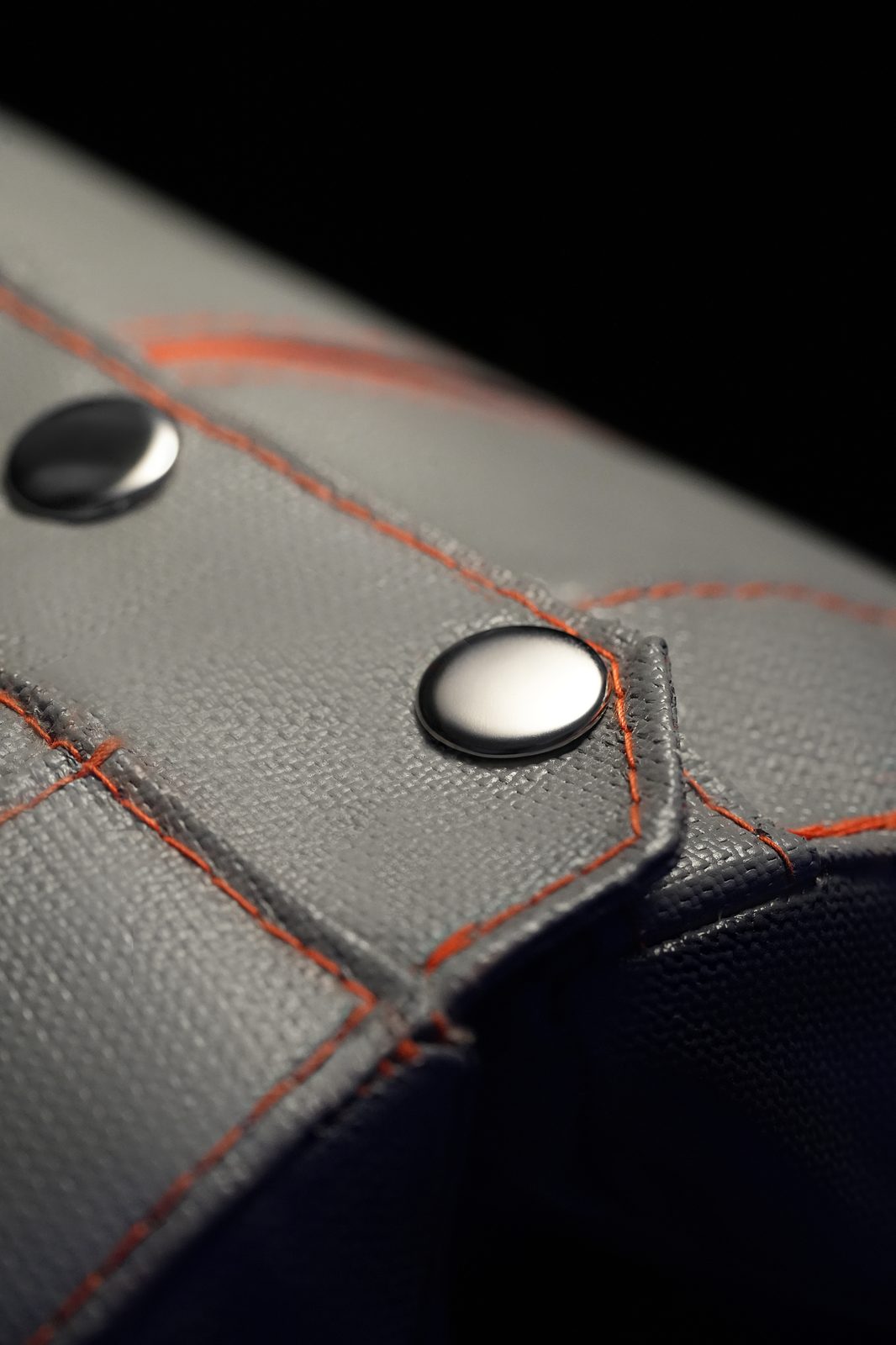
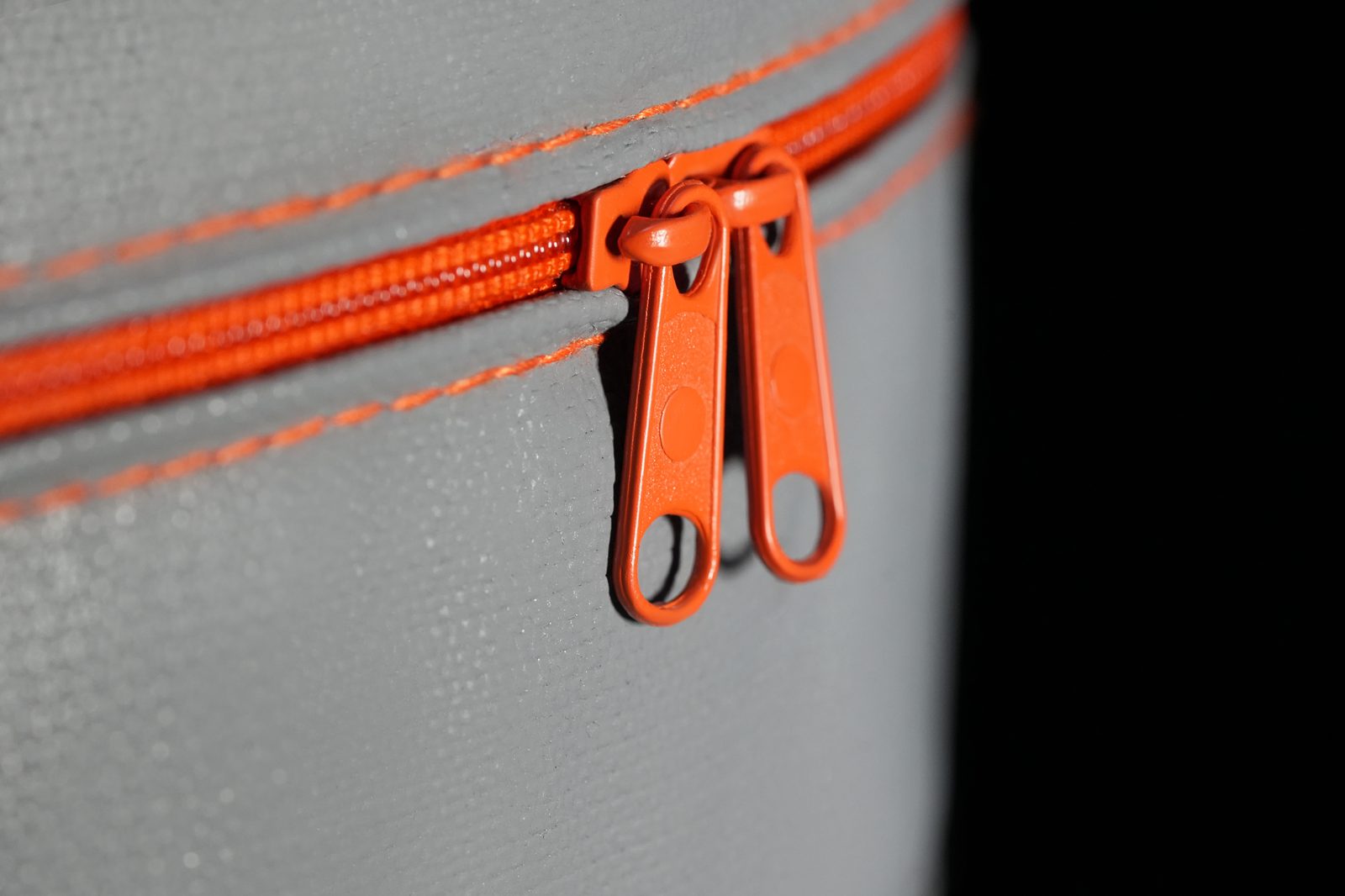
Stainless snap buttons fasten and release each cover by hand — no tools, no fixings drilled into the equipment. Covers go on fast at install and unclip in seconds for routine access, valve operation or inspection, then snap back exactly.

Modular sections connect to one another and wrap the exact geometry — minimising creases and folds where water, dust or chemicals could pool or seep in. The clean, tailored finish also looks right for visitors, auditors and stakeholders.

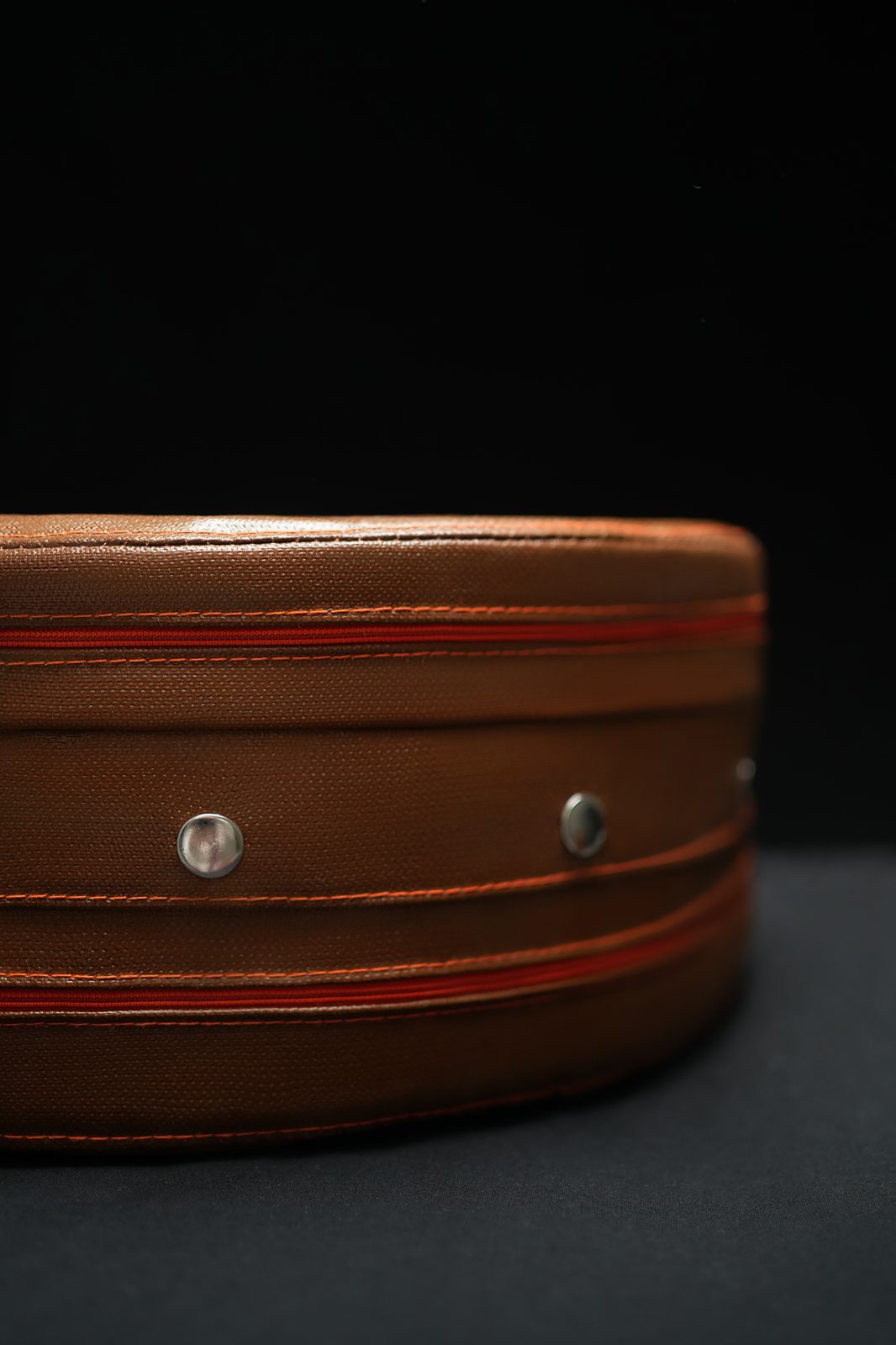
The cover unzips so the mineral-wool core lifts out — to wash the outer fabric or renew the insulation without scrapping the whole cover. The shell stays in service; only the core is replaced, so the cover lasts for years.
Tell us your setup and we prepare everything: an infrared survey plan, an ISO 12241 saving estimate and a removable-panel proposal with payback. No cost, no obligation. We calculate the savings in your local currency, and Inzonex products and installation are available worldwide — we ship and fit almost anywhere.